
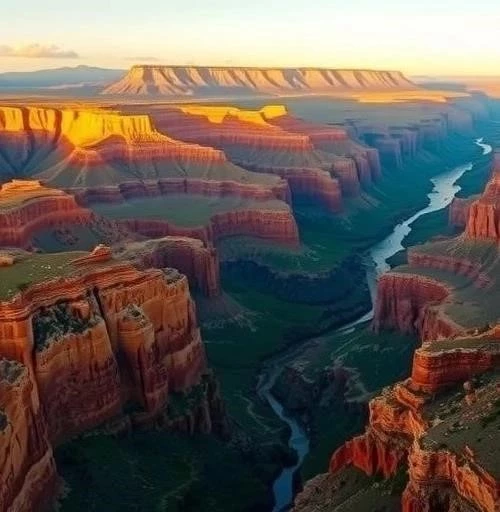
Some journeys are measured in miles; Copper Canyon is better measured in pauses. A train rounds a bend and the mountains open like a green stone book. Far below, a river flashes between cliffs. In the high country, pine-scented air cools the afternoon. This is northern Mexico’s Barrancas del Cobre—a vast network of canyons, not one single gorge—and the secret to enjoying it is to travel slowly enough for the landscape to catch up with you.
Choose a simple line through the mountains
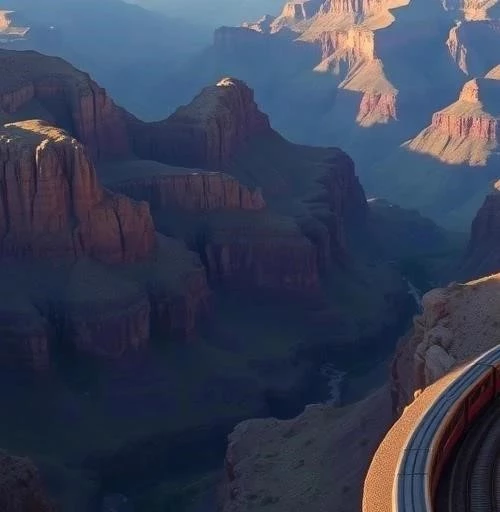
The easiest framework is the Chepe Express, which links Los Mochis, on the Pacific side, with Creel in the Sierra Tarahumara. Divisadero, perched above dramatic canyon views, is a natural stop along the way. Many visitors travel in one direction by rail, then continue by road; others return by train. Schedules, services and ticket rules can change, so check the operator’s current information before building your plans around a particular departure.
For an unhurried trip, allow five to seven days. Begin in Chihuahua City if you want a little time for museums, plazas and a night’s rest before heading into the mountains. From there, travel by road or regional transport to Creel; Spend a day exploring nearby trails and communities, then ride the train to Divisadero for a night or two. Continue toward El Fuerte, a handsome colonial town, or onward to Los Mochis and the coast. You do not need to collect every station like stamps. Choose a few places and let them breathe.
A gentle itinerary
- Creel: Use this mountain town as a base. Its shops and cafés make practical stops, while nearby landscapes offer pine forest, unusual rock formations, lakes and waterfalls. Ask locally about trail conditions and transport; distances can look deceptively small on a map.
- Divisadero: Set aside time for the rim, not just the viewpoint. Walk a short, marked path, watch the light change across the barrancas and stay for sunset if the weather is clear. A guided outing can help you understand the terrain without trying to navigate unfamiliar trails alone.
- El Fuerte or Los Mochis: Let the scenery shift from cool highland forest to warmer lowland country. El Fuerte offers historic streets and river views; Los Mochis is a useful transport hub. This contrast is part of the journey, not a detour from it.
Let the landscape set the pace
Copper Canyon’s scale can be startling, but its smaller details reward attention: a bird crossing a canyon wall, resin on a pine trunk, a patch of cloud snagged on a ridge. The region spans different elevations and climates, so pack layers. Mornings in the Sierra can be chilly even when lower areas are warm. Bring sturdy walking shoes, sun protection, water and a light rain layer. Start hikes early, follow local advice and avoid stepping beyond safe paths for a photograph.
There is no single “best” season for everyone. Cooler months can make walking pleasant, while the rainy season may bring greener slopes and changing trail conditions. Weather varies sharply with altitude. Before travelling, check forecasts for each stop, not just the nearest city, and keep a little flexibility in your schedule. A delayed connection is less stressful when your next plan is a second cup of coffee rather than a sprint across town.
Meet culture with curiosity, not a checklist
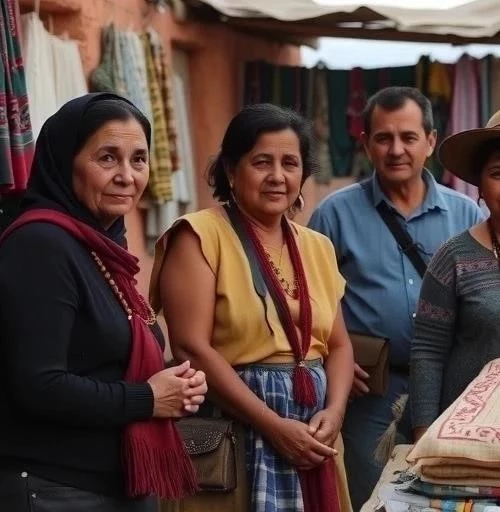
The Sierra is home to Rarámuri people, also known as Tarahumara, whose communities and traditions are diverse and contemporary. They are not scenery or a performance arranged for visitors. If you meet local residents, be courteous, ask before taking photographs, and accept “no” without argument. When buying crafts or arranging a guided visit, seek out responsible, locally run businesses where possible. A guide can share context and help ensure that a visit is welcome; no itinerary can promise access to private or ceremonial life.
Food is another way to notice how place shapes daily life. Try regional dishes at locally owned restaurants, ask what is seasonal, and give yourself time to eat rather than treating meals as fuel between viewpoints. A respectful visit is often made of small decisions: learning a greeting, paying fairly, carrying out rubbish and listening more than you speak.
Travel lighter, worry less
- Book train seats and overnight stays ahead during busy periods, and confirm departure times again before travel.
- Carry some cash, but keep valuables discreet. Use trusted transport and ask your accommodation about current local conditions.
- Pack a day bag with water, snacks, medication, a charged phone and a power bank. Mobile coverage can be limited outside towns.
- Build in a spare hour—or a spare day—where connections matter. Mountain travel is not a stopwatch sport.
The most satisfying Copper Canyon route is not the one with the most stops. It is the one that leaves room for a quiet overlook, a conversation with a knowledgeable guide, and the long train ride itself. Let the rails do the connecting and the mountains do the talking. You will leave with fewer rushed photographs—and a much clearer sense of how nature and culture share this remarkable corner of Mexico.
6 Comments. Оставить новый
The article makes me want to travel with fewer pins on the map and more curiosity in my pockets. Creel, the canyon rim, and a patient train ride sound like a fine beginning.
There is a lovely quiet confidence in this approach: choose a few places, ask locally, and let the scenery set the pace. It turns planning from a puzzle into an invitation.
This guide makes room for the practical details without flattening the wonder. The note that distances can deceive is especially useful: mountains have their own ideas about what “nearby” means.
The train sounds less like transport here and more like a moving balcony. I’d happily trade a packed itinerary for the slow reveal of cliffs, forests, and changing light.
I love the reminder that a landscape is not a checklist. “Let it breathe” feels like excellent travel advice—and perhaps a small rebellion against the urge to turn every view into a hurried photograph.
A trip planned around pauses feels wonderfully human. I can imagine the best souvenir being not a trinket, but the exact shade of evening settling over Divisadero.