
Agua Azul is often treated as a blue-green prize at the end of a drive. Take the slower view: the road is part of the visit, a string of small invitations to step out, listen, and let Chiapas set the pace. From Palenque, the waterfalls lie roughly 64 kilometres to the south, usually reached by road through lush, hilly country. The journey may take around two hours or longer, depending on traffic, weather, and road conditions. Leave room for the unexpected—and check current local advice before setting off.
Begin in Palenque, not in a hurry
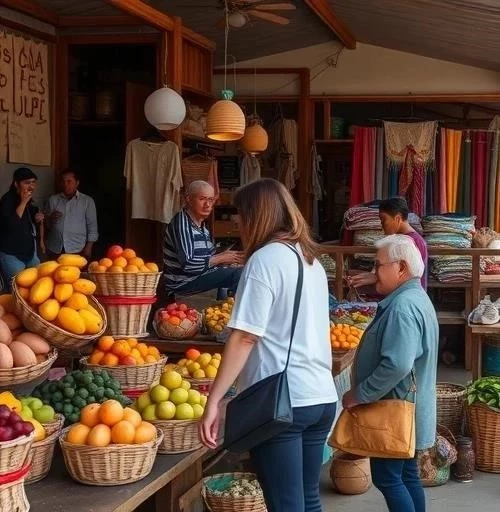
Start early, after breakfast in town. A market is a better first stop than a rushed roadside coffee: browse seasonal fruit, tortillas, flowers, and snacks for the journey. Ask before photographing vendors, and buy something small if you linger. Market hours and trading days can vary, so treat the visit as a flexible pause rather than a guaranteed appointment.
Pack drinking water, sun protection, a light rain layer, and cash in small denominations. Mobile signal can be unreliable, so download an offline map and confirm your route before leaving. A map app can help with navigation, but it cannot tell you whether a road is blocked today. Ask your accommodation or a trusted local driver about current conditions, especially after heavy rain.
Let the road make its own itinerary
The drive toward Agua Azul passes through green slopes and small settlements. Instead of collecting stops like stamps, choose one or two that genuinely appeal. If you are driving yourself, pull over only at safe, permitted places; never stop in the roadway for a photograph. With a local driver or organized transport, ask in advance whether a short detour is possible and how long it will add.
Option one: a waterfall-and-forest interlude
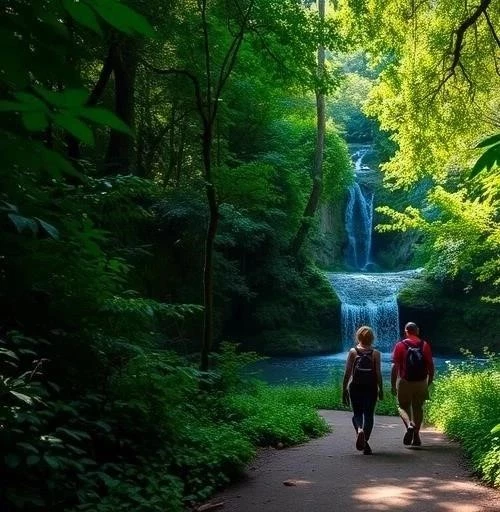
Misol-Há makes a natural companion stop for travellers who want another cascade and a short walk in a forest setting. Give it unhurried time: follow the marked route where open, watch your footing on wet surfaces, and respect any closures. Visiting both falls in one day can be tiring, so choose based on weather, daylight, and your energy—not on a checklist.
Option two: a market pause in Ocosingo
For a more human-scale break, consider Ocosingo, a town on the broader route between Palenque and the waterfalls. Its market can offer a glimpse of everyday trade and regional food, though its liveliest hours and available stalls vary. Keep valuables discreet, ask before taking pictures, and leave enough daylight for the remaining drive. If the market is quiet, a simple meal and a stretch of the legs are still worthwhile.
What about a beach?
There is no ocean beach on the direct Palenque–Agua Azul route. Chiapas’s coast belongs to a different journey, not a quick detour on this day trip. But the riverbanks can provide a beach-like pause: open air, warm light, and the sound of water. At Agua Azul, use only areas where access and bathing are explicitly permitted; Currents, slippery rock, changing water levels, and sudden rain can make apparently calm pools dangerous. Follow local instructions, stay well back from cascades, and do not treat every inviting bank as a swimming spot.
Arrive slowly at Agua Azul
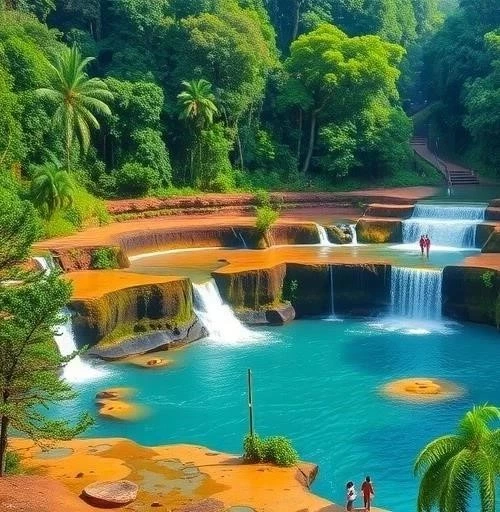
Agua Azul is a series of cascades and pools on the Río Xanil, known for water that can appear vivid turquoise when conditions are right. Colour changes with rainfall, sediment, and light; after storms, the river may look cloudier; That is nature, not a failed visit. The falls are managed locally, and access arrangements, fees, open paths, and facilities can change. Check what is open on arrival and follow posted guidance.
Take the paths at an easy pace. Stop where it is safe, listen for the shift from forest hush to rushing water, and give other visitors room at viewpoints. Wear shoes with grip, keep children close near the river, carry out all rubbish, and avoid climbing on wet rock. A few careful minutes beside the water are better than a risky photograph.
A gentle sample day
- Morning: Eat in Palenque, browse the market, and depart with water and snacks.
- Late morning: Choose Ocosingo for a town-and-market pause, or Misol-Há for a short nature walk; do not force both if the day feels full.
- Afternoon: Reach Agua Azul with time to walk, rest, and explore permitted viewpoints before the return journey.
- Evening: Head back before darkness where possible. If roads or weather make the schedule feel tight, stay overnight nearby rather than rushing.
The best slow route is not a promise to see everything. It is permission to notice one market stall, one shaded trail, one safe riverbank, and the changing colour of the hills. Build in generous margins, check local conditions, and let Agua Azul be the centre of the day—not merely the final pin on a map.
6 Comments. Оставить новый
This guide gives the road a voice of its own. I especially like the reminder that a map can show a route but not today’s reality—a small, useful truth that could save a traveller from turning an outing into an avoidable gamble.
I appreciate that this treats weather and road conditions as part of the plan, not a footnote. The offline-map tip is especially practical; sometimes the best travel technology is knowing when not to trust your signal.
There’s a lovely quiet confidence here: arrive prepared, leave room for surprise, and don’t turn every landscape into a photo stop. It makes the journey sound less like transit and more like the first chapter of the visit.
A refreshing antidote to checklist tourism. The suggestion to choose one or two stops feels like permission to notice more: the scent after rain, a roadside view, or the rhythm of a town waking up.
The market advice is thoughtful without pretending every visit follows a perfect schedule. Asking before taking photos and buying something when you linger are small gestures, but they make the travel tips feel genuinely human.
The strongest detail is the call to pull over only where it is safe and permitted. It adds a note of care to the sense of adventure, reminding readers that a beautiful view is best enjoyed without putting anyone at risk.