
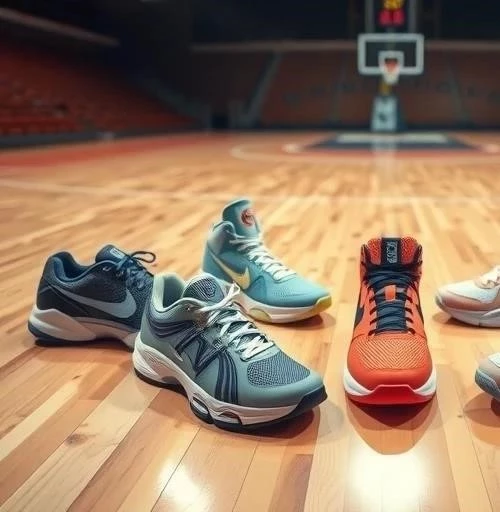
Basketball shoes are designed to support quick stops, changes of direction, jumps and repeated impact․ The best brand depends on how a player moves, the surface they play on, their fit preferences and their budget․ No manufacturer makes a model that suits every athlete, and a brand name alone does not guarantee comfort or performance․ The options below are established choices worth considering, with different strengths across cushioning, traction, support and price․
What to look for before choosing a brand
Brand comparisons are most useful when they are tied to a specific need․ Traction should grip the court during lateral movement, while cushioning should feel appropriate for a player’s weight and preferred level of court feel․ A secure fit helps limit unwanted movement inside the shoe, but the upper should not create painful pressure․ Support also depends on the shoe’s shape, construction and fit, rather than on a high collar alone․
Consider where the shoes will be used․ Indoor-only models may use softer rubber that wears quickly on rough outdoor courts․ Some shoes are offered in versions with different materials or cushioning, so check the exact model and release rather than relying on a brand-wide reputation․ If possible, try shoes on near the end of the day, when feet may be slightly larger, and test them with the socks used for play․
Leading basketball sneaker brands
Nike
Nike has one of the broadest basketball ranges, from signature shoes to simpler team models․ Its lines often emphasize lightweight construction, responsive cushioning and distinctive traction designs, though the feel varies considerably between models․ Popular signature families include those associated with LeBron James, Kevin Durant and Giannis Antetokounmpo․ Buyers can compare models at different price levels, but should check fit carefully: some releases feel narrow or snug, while others provide more room․
Nike can be a useful starting point for players who want a wide choice of designs and performance profiles․ A signature shoe is not automatically the best choice for a beginner; team models may offer the required grip and support at a lower cost․ Model updates can change cushioning, materials and fit, so reviews of the precise version are more informative than general opinions about the line․
Adidas
Adidas offers basketball shoes for recreational and competitive play, including signature models and more accessible options․ Its designs commonly use proprietary cushioning systems, with the amount of softness or responsiveness differing by shoe․ Some players value the brand’s balance of impact protection and court feel; others may prefer a different shape or fit․ Adidas is worth comparing for athletes who want several styles and price points rather than one uniform experience․
Fit should be assessed in person when possible, especially around the midfoot and toe box․ A shoe that feels comfortable while standing can behave differently during a hard cut, so walk, jog and make controlled lateral movements before deciding․ Check whether the outsole is intended for indoor or outdoor use, since rubber durability varies between models․
Jordan Brand
Jordan Brand combines basketball performance footwear with a long-standing connection to Michael Jordan and the sport’s heritage․ Its current performance models are distinct from retro releases, which may be designed primarily around an older silhouette or lifestyle use․ Players should confirm that a particular Jordan shoe is intended for active basketball and assess its traction, cushioning, weight and lockdown rather than assuming that every model is performance-focused․
Jordan can appeal to players seeking recognizable design alongside court-ready options․ Some models are relatively substantial, while others are lighter and more flexible․ As with other brands, fit is model-specific․ A familiar name or classic appearance should not replace checking the shoe’s construction and how it feels during movement․
Under Armour
Under Armour has developed performance basketball shoes associated with athletes such as Stephen Curry․ Many models focus on secure lockdown, traction and a responsive feel․ The range may be smaller than that of the largest competitors, but it includes options for players who prefer a close-fitting shoe․ Cushioning and upper stiffness differ among releases, so trying a current model is preferable to judging the brand from an older pair․
Players who value a stable, connected sensation may want to include Under Armour in a comparison․ Those who need a wider fit should pay particular attention to the shape of the forefoot and whether the upper relaxes with wear․ A snug shoe should feel secure, not restrictive or numb․
Puma
Puma has expanded its basketball range with performance shoes and signature lines․ The brand often combines modern styling with cushioning and traction intended for quick movement․ Its models can provide an alternative to more established basketball labels, and some are positioned at competitive prices․ The right choice depends on the individual shoe: weight, rubber pattern, cushioning and fit can vary substantially across the collection․
Puma is worth considering for players seeking a contemporary design or another option within a particular budget․ Examine outsole depth and rubber durability if the shoes will be used outdoors․ A softer, grippier indoor outsole may provide good court traction but can wear more quickly on asphalt or concrete․
New Balance
New Balance has become a more visible basketball footwear option through performance models and signature shoes․ The brand is often associated with attention to fit and cushioning, though those qualities are not identical across every design․ Its basketball selection may be less extensive than Nike’s or Adidas’s, but it can suit players looking for a different fit profile and a comparatively understated aesthetic․
Check availability in the required size and width, as stock can vary by region․ Compare the actual interior fit rather than assuming that other New Balance shoes will fit the same way․ Players who already use the brand for running or training should still try its basketball models separately: court footwear has different demands and construction․
ASICS, Li-Ning and Anta
ASICS is known for athletic footwear and has basketball models in selected markets․ Its products may appeal to players who prioritize a secure fit and functional construction, although availability can be limited depending on location․ Li-Ning and Anta, both Chinese sportswear brands, have built substantial basketball ranges and work with professional players․ Their models may offer advanced materials or distinctive cushioning, but selection, sizing information and warranty support differ between markets․
When shopping for brands that are less common locally, confirm the seller’s return policy, sizing chart and product authenticity․ International sizing labels are not always directly interchangeable, and a shoe that cannot be returned is a risky purchase without a reliable fit reference․ Independent tests and detailed photographs can help, but do not replace a try-on․
Choosing by playing style and conditions
- Guards and quick perimeter players: Compare lighter shoes with reliable multidirectional traction and a close, comfortable fit․ Low or mid-cut designs can allow freedom of movement, but the shoe still needs to hold the foot securely․
- Forwards and centers: Consider cushioning that feels comfortable under repeated impact, along with a stable base and effective lockdown․ A heavier shoe may be acceptable if it provides the desired support and fit․
- Outdoor players: Look for durable rubber and a robust outsole․ Indoor performance shoes may lose tread quickly on abrasive surfaces, even when they initially grip well․
- Budget-conscious buyers: Previous-season models and team shoes can offer good value․ Compare condition, return terms and the intended court surface; a discounted shoe is not useful if it fits poorly or has the wrong outsole․
Final considerations
Nike, Adidas, Jordan, Under Armour, Puma and New Balance offer widely recognized basketball options, while ASICS, Li-Ning and Anta can be strong alternatives where their models are available․ There is no single best brand for every player․ The most sensible choice is the model that fits securely, provides appropriate cushioning and traction, suits the court surface and falls within budget․
Before buying, compare several shoes in person if possible and test them with basketball movements rather than judging appearance alone․ Allow for a short break-in period only when the fit is already comfortable; persistent pressure, heel slipping or numbness are reasons to choose another size or model․ Reassess the outsole and cushioning as the shoe wears, since a once-effective pair may no longer provide consistent grip or support․
1 Comment. Оставить новый
The article offers a practical overview of factors to consider when choosing basketball shoes, including traction, cushioning, fit, support and playing surface. Comparing specific models and trying them on are useful reminders, since performance and comfort can vary within the same brand.