
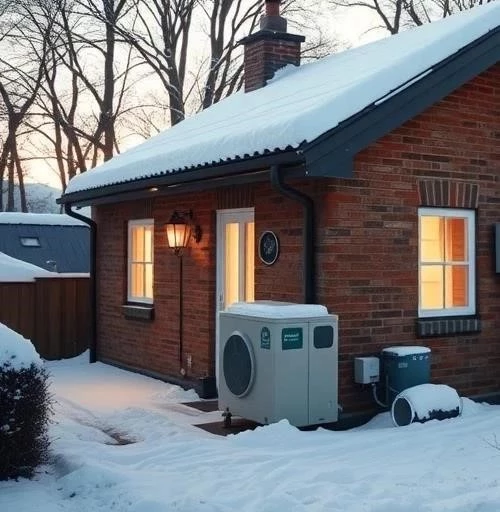
A brick cottage keeps its secrets in its walls: it warms slowly, holds heat well, and can still lose plenty of energy through a leaky roof, drafty windows, or poorly insulated masonry. So the clever first step is not buying a bigger boiler. It is measuring heat loss and improving insulation. Good wall insulation and careful draught-proofing can shrink the heating system you need—and the bills that follow.
For a reliable design, treat the house as a small climate, not a collection of rooms. A gas boiler is convenient where mains gas is available; an electric boiler is simple to install but may cost more to run. A solid-fuel boiler can suit owners who enjoy tending a fire, while a heat pump can be highly efficient in a well-insulated cottage. Each option needs a correctly sized heating circuit, controls, and a realistic plan for backup heat.
Comfort without constant tinkering
Radiators respond quickly; underfloor heating gives gentle, even warmth and works especially well with a heat pump. Combining the two can be useful: warm floors downstairs, radiators in bedrooms. Add a thermostat and zoning so unused rooms do not become expensive storage heaters. Smart controls and remote access let you lower the temperature while away and warm the cottage before you return. Automation should simplify life, not turn the boiler room into a hobby.
Minimal maintenance does not mean no maintenance. Choose dependable equipment with available parts, clear service requirements, and a warranty you can actually use. Arrange annual checks, clean filters where required, test safety devices, and inspect the system before winter. A backup heat source—such as a stove or a second heating circuit—can keep the house safe if the main unit fails. Good commissioning and routine prevention often extend boiler life and prevent costly surprises.
The quiet calculation
Compare the full cost: installation, fuel, electricity tariffs, servicing, and expected equipment life. The cheapest unit today may be the priciest over a decade. Insulation, sensible temperatures, and balanced controls usually save more resources than constant thermostat adjustments. The goal is not a tropical cottage; it is a steady, healthy indoor climate with no cold corners and no daily chores; With a sound design, heating a brick cottage can be both autonomous and remarkably hands-off.
Key terminology: отопление кирпичного коттеджа; система отопления частного дома; отопление загородного дома; энергоэффективное отопление; автономное отопление; газовый котёл; электрический котёл; твердотопливный котёл; тепловой насос; радиаторы отопления; тёплый пол; утепление кирпичного дома; теплопотери здания; теплоизоляция стен; отопительный контур; автоматизация отопления; терморегулятор; удалённое управление отоплением; обслуживание отопительной системы; расходы на отопление; экономия энергоресурсов; надёжность оборудования; срок службы котла; профилактика отопления; резервный источник тепла; комфортный микроклимат; отопление с минимальным обслуживанием.


7 Comments. Оставить новый
I appreciate the article’s respect for different kinds of owners: some want a heat pump humming in the background, others would happily tend a fire. Comfort is personal; good planning is universal.
The backup-heat suggestion feels like packing an umbrella: you hope not to need it, but winter has a talent for surprises. Sensible, grounded guidance throughout.
This makes insulation sound less like a renovation chore and more like giving the cottage a warmer coat. A clear, approachable guide to spending wisely before the cold sets in.
A useful reminder that the bargain boiler can become an expensive guest once fuel, servicing, and lifespan join the conversation. I’d gladly keep this checklist beside the thermostat.
A heating system should be a quiet housemate, not a demanding pet. The reminder that automation ought to simplify life is memorable—and a welcome antidote to gadget fever.
The best line of defense against a chilly cottage may be a humble draught strip, not a shiny new machine. This is practical advice with its priorities facing the right way.
I like the idea of treating a cottage as its own little climate. It turns heating from a shopping list into a thoughtful detective story: find where the warmth escapes before inviting more of it in.