
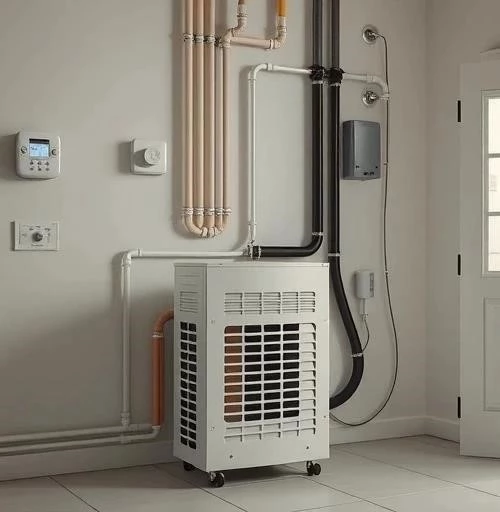
For many homeowners, backup heating is not a luxury but protection against frozen pipes, unsafe indoor temperatures and disrupted routines. A backup heat source can support autonomous heating when the main system fails, while supplementary heating may simply make a cold room more comfortable. The right choice depends on climate, fuel availability, budget and how long outages usually last.
What should a backup system do?
A dependable home heating system should keep essential rooms warm during a breakdown or a power cut. Heating during power outages is especially important in remote areas, where repairs may take days. Emergency heating can be provided by a backup boiler, a long-burning stove or a heating fireplace. For heating without electricity, choose equipment that operates safely without mains power; some boilers and pumps need electricity even when they burn gas or solid fuel. A diesel generator can run powered equipment, but it adds fuel storage, noise and maintenance.
Compare practical options
An electric boiler is simple to install and quiet, but it cannot help during an outage unless supported by a generator or battery. A gas boiler is convenient where gas is available, though its controls may still require electricity. A solid-fuel boiler can provide heat independently with suitable installation, but requires regular loading and cleaning. A heat pump is efficient in ordinary operation, yet its backup plan should account for electricity loss and severe cold. A stove or fireplace may serve as an alternative heat source, provided it is professionally installed and vented.
- Low-maintenance heating favors reliable equipment, accessible parts and scheduled safety checks.
- Economical heating means comparing heating costs, installation, fuel and maintenance expenses—not just the purchase price.
- Good home energy efficiency reduces heat loss and makes any reserve last longer.
Reliability, costs and upkeep
Heating-system reliability comes from more than buying a second appliance. Insulation, tested controls, a safe chimney, stored fuel and a clear operating plan all matter. For heating a private home, size the reserve to protect essential rooms rather than automatically duplicating the entire main system. This can lower costs while still supporting an uninterrupted heat supply; Check local safety rules, ventilation needs and insurance requirements before installation.
Backup heating in winter is most valuable where outages are frequent, temperatures fall sharply or residents cannot easily relocate. Its advantages include added resilience and faster recovery; disadvantages include upfront expense, space requirements and ongoing inspections. A low-maintenance setup still needs periodic testing, because unused equipment can fail when needed most.
When choosing a heating system, first improve insulation, then match the backup to likely outages and household needs. So, is backup heating worth installing? Often yes—if the risk of losing heat is significant and the system is safe, affordable and regularly checked. The best reserve is not necessarily the biggest: it is the one you can operate confidently when the main heat fails.


4 Comments. Оставить новый
The article does a good job of comparing convenience, costs and reliability. Its point about choosing a system based on the length of likely outages is particularly useful.
A practical overview of backup heating options. I especially appreciate the reminder that gas and solid-fuel systems may still depend on electricity for their controls or pumps.
Helpful advice for homeowners planning ahead. Including fuel storage, maintenance and professional installation in the decision makes the guidance feel grounded and responsible.
A clear introduction to emergency heating. The emphasis on improving energy efficiency is valuable because reducing heat loss can make any backup option more effective.