
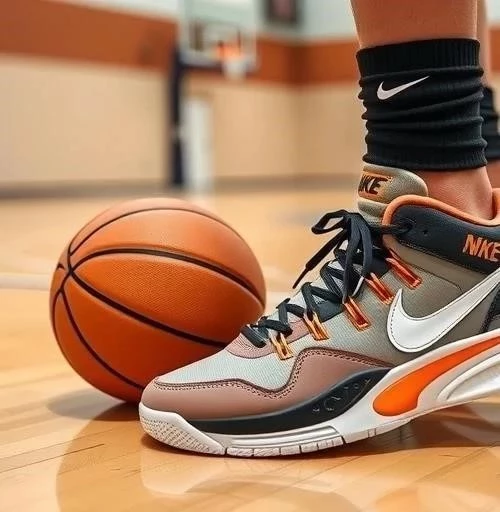
A basketball shoe is a tiny home for a very busy foot. It has to grip the floor, soften repeated landings, move quickly through sharp turns—and still feel good when the final whistle is a distant memory. For teenagers, the search has an extra twist: feet may still be growing, playing styles are changing, and one pair might be asked to handle practice, games, school hallways, and the walk home.
Nike’s basketball range includes signature shoes and more accessible performance lines, with designs that change from season to season. The clever choice is not automatically the newest, brightest, or most expensive pair. It is the one that fits the player, the court, and the way they move. Use this guide to shop with more confidence and fewer marketing mysteries.
Start with the player, not the poster
Before comparing colors or athlete names, think about the teen wearing the shoes. A quick guard who changes direction constantly may value a light, secure-feeling shoe and dependable traction. A player who jumps and lands frequently may prefer cushioning that feels comfortable under repeated impact. A developing all-rounder usually benefits most from a balanced shoe that feels stable without being clumsy.
Position can offer a clue, but it is not a rulebook. Guards can enjoy supportive shoes; taller players still need to move freely. Comfort, fit, and court feel matter more than matching a shoe to a position stereotype.
Four features worth understanding
- Traction: The outsole pattern helps the shoe grip the playing surface. On a clean indoor court, a good basketball outsole should feel predictable when the player stops, pivots, and accelerates. Dust can reduce grip, so even a strong design may need an occasional wipe. Outdoor concrete is rougher and can wear down softer rubber faster.
- Cushioning: Cushioning affects how landings and running feel; Some shoes feel plush; others feel closer to the court and more responsive. Neither sensation is automatically better. The right choice is comfortable for the player and suits their preference for softness or direct feedback.
- Support and lockdown: A secure fit helps the foot stay comfortably in place during movement. Look for a heel that feels held, a midfoot that does not slide around, and laces that can be adjusted without painful pressure. A high collar alone does not guarantee ankle protection; no shoe can prevent every injury.
- Weight and flexibility: Lighter shoes can feel nimble, while a more structured pair may feel reassuring. The shoe should bend where the foot naturally bends, but it should not feel floppy or unstable. Have the teen walk, jog, and make a few controlled side steps when trying it on.
Nike families: useful starting points, not promises
Nike’s lineup changes, and names or versions may differ by season and region. Treat these families as places to begin browsing, then check the exact model’s current features and try it on.
- LeBron: Often worth exploring for players who like a substantial, supportive feel. Compare the shoe’s weight and fit carefully; “supportive” should never mean cramped.
- KD: A possible starting point for players seeking a blend of court feel, cushioning, and versatility. Fit varies between models, so do not assume one version will feel like another.
- Sabrina: A popular basketball line to consider for players who want a nimble, court-focused design. Check the fit and cushioning in person, especially if the teen has a wider foot.
- Ja and Giannis: These signature lines may appeal to energetic, movement-heavy players. Compare the specific version’s traction, support, and comfort rather than buying on the athlete’s name alone.
- Nike Precision and other team or performance models: These can be practical options for everyday practices and players who want straightforward basketball functionality. Availability and construction vary, so inspect the actual pair.
Think of model names as signposts, not verdicts. A shoe praised online may feel wrong on one teen’s foot and perfect on another’s. Reviews can help narrow the field, but a fitting session is the final test.
The fitting ritual: make the shoes prove themselves
- Try them on later in the day, when feet may be slightly larger, and wear the socks the player usually uses for basketball.
- Check both feet. Feet are not always identical. Choose a size that accommodates the larger foot without letting the heel slip.
- Leave a little room at the toes. Toes should not press against the front, especially when stopping. But excessive space can let the foot slide and spoil control.
- Test the heel and midfoot. Lace the shoes snugly, then walk, jog, and make gentle side-to-side movements. The heel should feel secure; the shoe should not pinch or cause numbness.
- Listen to the player. “It looks great” is useful information about style. “My toes feel squeezed” is a reason to try another size or model.
Do not buy a much-too-large pair simply because a teenager is still growing. A shoe that slides can make movement uncomfortable and less controlled. If growth is rapid, check fit periodically and ask the retailer about its return or exchange policy before purchase.
Indoor court or outdoor court?
For indoor play, prioritize a stable feel and traction appropriate to the court. Keep the outsole clean, and avoid wearing court shoes outside if preserving grip matters. For regular outdoor play, expect abrasion: rough surfaces can shorten the life of many basketball outsoles. A durable-looking pattern may be worth considering, but no pair is indestructible. If the teen plays both indoors and outdoors often, a dedicated outdoor pair can help keep the indoor shoes in better condition.
Style, budget, and everyday wear
Color matters because teenagers should want to wear their shoes. Happily, performance and personality do not have to compete. Set a budget first, then compare current Nike models within it. A previous-season color or model may offer good value, provided the shoe is new or reliably sourced, fits correctly, and suits the intended court. Be cautious with listings that have unclear sizing, questionable authenticity, or no useful return terms.
Basketball shoes can be worn casually, but daily pavement use can wear down the outsole and bring dirt onto the court. Let them air out after practice, remove loose dirt gently, and follow the care instructions. Avoid harsh heat, which can damage materials or adhesives.
A quick decision checklist
- Does the shoe fit securely without pinching?
- Does the traction suit the surface where the teen plays most?
- Does the cushioning feel comfortable after several minutes of movement?
- Can the player stop, pivot, and change direction confidently?
- Is the price sensible, and can the pair be returned if the fit proves wrong?
The best pair is the one that disappears
Great basketball shoes do not make a teenager instantly faster or guarantee safer landings. They provide a comfortable, dependable platform so the player can focus on reading the game instead of noticing sore toes or a slipping heel. Compare features, try multiple models, and choose fit over hype. When the shoes feel secure, move naturally, and inspire the player to get back on court, the search has done its job.
2 Comments. Оставить новый
This guide treats shoe shopping less like a sneaker popularity contest and more like a conversation with the player’s feet. The reminder that position is only a clue—not a rulebook—is especially useful. I’d love to see the same practical approach continued with tips for checking fit in person.
The best detail here may be the quiet one: a shoe has to survive life beyond the highlight reel. Court surface, dust, growth, and everyday wear all get a seat at the table. That makes the advice feel grounded—and helps readers look past celebrity names toward what actually works.