
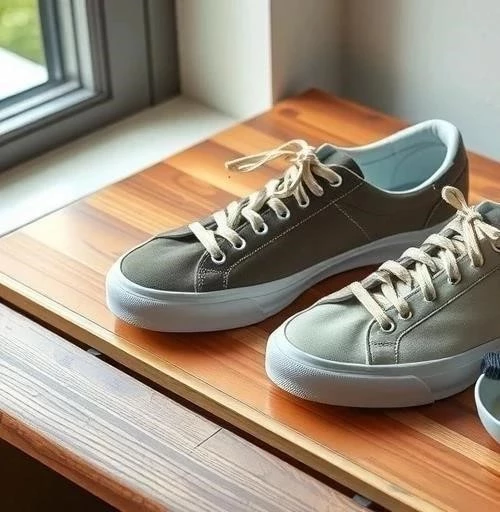
Mizuno sneakers worn for skating-inspired outfits or ordinary daily activities benefit from regular, material-appropriate care. Street dust, moisture, friction and repeated wear can affect the upper, lining, laces and outsole over time. A simple routine helps keep shoes comfortable and presentable without relying on harsh cleaners or unnecessary treatments. Because Mizuno designs and materials vary between models, the care label and product information should take priority over general advice. The steps below are intended for everyday maintenance; they do not replace instructions provided for a particular pair.
Check the materials before cleaning
Start by identifying the main materials. A shoe may combine mesh or other textiles with synthetic overlays, leather, suede, rubber and foam. Different sections may need different methods, so do not assume the whole shoe can be treated as one surface. Look for the label inside the shoe, the packaging, or the product page if available. If the material is uncertain, use the gentlest method first: remove loose dirt with a soft brush, then test a small amount of cleaner on an inconspicuous area. Stop if the colour transfers, the surface changes, or the finish becomes uneven.
Cleaning products marketed for one material are not automatically suitable for another. Solvents, bleach, strong detergents and abrasive powders can discolour fabric, weaken adhesives or alter a coated finish. Waterproofing sprays and conditioners should also be used only when their instructions match the shoe’s materials. When in doubt, choose a mild solution and a soft cloth, and avoid saturating the shoe.
Make light maintenance part of the routine
After wearing the sneakers, remove visible dust and grit before it becomes embedded. A dry, soft brush or clean cloth is usually enough for ordinary surface dirt. Brush gently, especially around stitched panels and mesh, where hard scrubbing can pull fibres or make the surface look fuzzy. Wipe the midsole and rubber outsole with a damp cloth. If grit is lodged in the tread, loosen it with a soft brush or a blunt wooden tool; do not use a sharp object that could cut the rubber.
It is easier to clean small marks promptly than to tackle a heavy build-up later. However, frequent full washing is unnecessary and may shorten the life of the shoes. For routine wear, remove loose debris, air the pair out and address only the spots that need attention. Keep a separate cloth or brush for the outsole so that street grime is not transferred onto the upper.
Clean the upper gently
For washable textile or mesh sections, prepare a small amount of mild soap in cool or lukewarm water. Dip a clean cloth or soft brush into the solution and work over the dirty area with light, controlled strokes. Avoid soaking the upper or pouring water directly onto it. Use a second cloth dampened with clean water to lift away soap residue. Remaining detergent can attract dirt, leave marks or irritate skin, so rinse the cloth and repeat as needed without flooding the shoe.
For smooth leather or synthetic panels, wipe with a lightly damp cloth and use a product designed for that specific surface if further cleaning is required. Do not assume synthetic material can withstand every product that is safe for leather. Suede and nubuck need a different approach: allow mud to dry, brush it away with a suede brush, and use a suitable suede eraser for small marks. Water can leave stains or flatten the nap, so avoid wet cleaning suede unless the manufacturer’s instructions specifically permit it.
For an unfamiliar stain, do not rub hard or apply several cleaners one after another. Blot excess liquid with a clean, absorbent cloth, working from the outside of the mark toward its centre. This reduces the chance of spreading it. Test any stain remover in a hidden area and follow its directions. Oil, paint and other difficult substances may require professional advice; aggressive home treatment can cause damage that is harder to correct than the original mark.
Clean laces, insoles and the outsole separately
Remove the laces before cleaning the upper. If their care instructions allow it, wash them by hand in mild soapy water, rinse thoroughly and let them air-dry. Keeping laces out of the shoe also makes it easier to clean the tongue and the areas around the eyelets. Replace badly frayed laces rather than pulling them tight to compensate, as damaged laces may break during wear.
If the insoles are removable, take them out after wearing the shoes and let them air. Clean them separately only if their material and the product instructions permit it. A slightly damp cloth and mild soap may be suitable for some insoles, but prolonged soaking can distort them or affect their cushioning. Do not put them back while damp. For a fixed insole, avoid pouring liquid inside the shoe; wipe accessible surfaces lightly and allow the interior to dry completely.
The outsole can collect compacted dirt and small stones. Remove debris carefully, then wipe the rubber with a damp cloth. A soft brush can help clean the tread. Avoid oils, polish and glossy dressings on the outsole: these may change the surface and make it slippery. Check the tread periodically for uneven wear, cuts or areas that have become smooth. Cleaning can improve appearance, but it cannot restore worn grip or repair structural damage.
Dry the shoes slowly and thoroughly
Drying is as important as cleaning. After exposure to rain or a wet cleaning, blot the exterior with a towel and remove the insoles and laces if possible. Open the tongue and loosen the laces to let air circulate. Stuff the shoes loosely with plain, unprinted paper to help absorb moisture and maintain their shape. Replace the paper when it becomes wet. Do not pack the shoes tightly, because restricted airflow can slow drying.
Leave the sneakers in a well-ventilated place at room temperature, away from direct sunlight and strong heat. Radiators, hair dryers, tumble dryers and other intense heat sources may warp components, stiffen some materials or weaken adhesive bonds. Drying time depends on the material and how wet the shoes became. Wait until the lining, toe area and insoles are completely dry before wearing them again. A damp interior can feel uncomfortable and may encourage persistent odour.
Reduce odour with airing and rotation
Odour often builds when moisture remains inside a pair between wears. After taking the sneakers off, loosen them and allow them to air in a dry, ventilated space. If practical, rotate between pairs so each has time to dry fully. Wear clean socks suited to the activity, and change them when they become damp. These habits are generally more useful than masking odour with fragrance, which can mix with existing smells and may irritate sensitive skin.
Odour-absorbing inserts or products may be used if their instructions are compatible with the shoe. Avoid placing powders or liquids inside without checking whether they can leave residue or affect the lining. If the shoes remain unpleasant after airing and careful cleaning, inspect the insoles and interior for trapped dirt or persistent dampness. A damaged or heavily worn insole may need replacement if the model allows it. Do not wear shoes that are still wet simply to test whether the smell has gone.
Protect shoes in everyday conditions
For daily wear, prevention can reduce the need for intensive cleaning. Avoid leaving the sneakers in a hot car, a damp bag or a closed locker for long periods. If they get wet outdoors, remove surface moisture and air them as soon as possible. In muddy conditions, brush off dried dirt before it is tracked indoors. On rough surfaces, be aware that repeated scuffing can mark overlays and wear the toe area; cleaning cannot prevent abrasion, but early attention can keep marks from becoming more noticeable;
A protective spray may help some materials resist light moisture or staining, but it is not a guarantee of waterproofing. Choose a product labelled for the actual upper material and follow its application directions, including any ventilation or drying requirements. Test it first on a discreet spot, and do not spray the outsole or interior. Treatments can alter colour, texture or breathability. If the manufacturer advises against a spray, follow that advice rather than applying a general-purpose product.
Store the pair properly
When the sneakers are not being worn, store them clean and fully dry in a cool, dry place with some airflow. Avoid sealed plastic bags and damp areas, which can trap moisture. Keep them away from direct sunlight, which may fade colours, and from heaters or other heat sources. A shoe tree or loosely placed paper can help the shoes retain their shape, provided it does not stretch the upper. Store them where heavy objects will not crush the toe or deform the heel.
If the shoes are worn frequently, a quick check during storage can reveal problems early. Look for loose stitching, peeling overlays, a separating sole or a damaged lace. Small issues may be easier to address before they worsen. Do not glue a shoe with a random household adhesive: some adhesives are unsuitable for footwear materials and can make later repair difficult. For separation or structural damage, seek a repair service or ask the retailer or manufacturer about available options.
Wear and fit matter to care
Daily comfort depends on fit as well as cleanliness. Tie the laces securely but not so tightly that they press on the foot or distort the upper. Use the heel counter as intended when putting the shoes on; repeatedly crushing it underfoot can weaken its shape. If the shoes are used for skateboarding, inspect them more often because friction, impact and board grip can wear particular areas rapidly. A sneaker designed for casual wear may not provide the construction or protection required for every skating style, so check the model’s intended use rather than relying on appearance alone.
Stop wearing a pair if the sole is separating, the tread is excessively worn, or the shoe no longer feels stable. Cleaning and conditioning do not restore cushioning, support or traction that has deteriorated. Persistent discomfort, a sudden change in fit or visible structural damage is a reason to reassess the pair. The appropriate replacement point depends on wear, use and the condition of the individual shoe, not only on its age.
Common mistakes to avoid
- Putting the shoes in a washing machine: agitation, heat and prolonged water exposure can damage materials or adhesives. Use this method only if the specific product instructions expressly allow it.
- Using hot water or harsh chemicals: these can cause fading, stiffness, surface damage or residue. Start with cool water and a mild cleaner suited to the material.
- Scrubbing aggressively: hard brushing can roughen mesh, suede and coated panels. Use light pressure and a soft tool.
- Drying beside direct heat: rapid heating may deform components or weaken bonds. Allow natural airflow instead.
- Putting shoes away while damp: trapped moisture can lead to discomfort and odour. Check the interior before storage.
- Applying a product without testing it: sprays, conditioners and stain removers can change a shoe’s colour or finish. Test discreetly and follow the label.
A simple care schedule
After each wear: loosen the laces, remove loose dirt and let the shoes air. When visibly dirty: clean the affected sections with a gentle method suited to the material. After getting wet: blot, remove removable components and dry naturally before wearing again. Every few weeks, depending on use: check the tread, seams, laces, insoles and heel structure. This schedule is flexible; dusty or wet conditions may call for more frequent attention, while lightly worn shoes may need less.
Care for Mizuno skate-style sneakers by following the model’s instructions, identifying its materials and choosing gentle, targeted cleaning methods. Remove dirt regularly, clean laces and removable insoles separately when permitted, and dry the shoes completely at room temperature. Airing, rotation and sensible storage help maintain everyday comfort, while periodic inspection can reveal wear that cleaning cannot fix. The goal is not to make every pair look new, but to keep it clean, dry and in sound condition for as long as its materials and construction allow.
8 Comments. Оставить новый
The recommendations cover common care concerns, including dust, material differences and potentially damaging cleaners. The advice to stop if a test changes the surface is sensible.
The article gives practical guidance on checking a sneaker’s materials before choosing a cleaning method. The advice to test products on an inconspicuous area is especially useful.
A useful introduction to maintaining sneakers without overcomplicating the process. The distinction between general advice and model-specific instructions is well stated.
This is a clear overview of everyday sneaker care. It appropriately emphasizes following the care label and avoiding harsh products that could damage different materials.
This guidance is measured and straightforward. I appreciate that it recommends checking product information rather than assuming one cleaning method works for every pair.
A concise and practical set of care principles for everyday use. The emphasis on gentle maintenance and material-specific instructions helps keep the advice responsible.
The article explains why a soft brush or cloth can be preferable for routine cleaning. Its cautions about scrubbing mesh and using unsuitable sprays are practical.
The focus on gentle cleaning and avoiding excessive moisture makes the recommendations easy to apply. The reminder that models can use a mix of materials is helpful.