
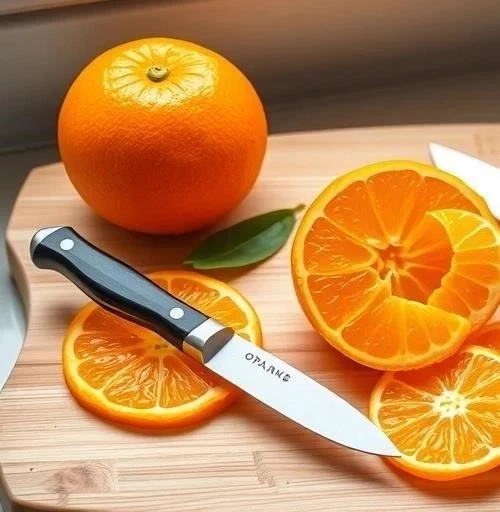
A neatly cut orange can make a fruit plate‚ dessert‚ or drink look more inviting. The best shape depends on how the orange will be served: rounds work well as a garnish‚ wedges are easy to eat‚ and peeled segments suit salads and desserts. With a sharp knife‚ a stable board‚ and a little care‚ you can prepare attractive pieces without wasting much fruit.
Choose and prepare the fruit
Select a firm orange with smooth‚ unbroken skin and a fresh citrus scent. A fruit that feels heavy for its size is often juicy. Wash it under cool running water and dry it with a clean towel‚ even if you plan to remove the peel. This helps keep dirt from the outside of the fruit away from the flesh as you cut.
Use a clean cutting board that will not slide. If needed‚ place a damp towel underneath it to keep it steady. Choose a sharp chef’s knife or small utility knife; a dull blade can slip or crush the fruit. Keep your fingers curled slightly away from the blade‚ and make each cut slowly and deliberately.
Make elegant orange rounds
- Place the orange on its side on the board. Trim a thin slice from the stem end and the opposite end. Remove only enough to expose the flesh; cutting too deeply wastes fruit.
- Hold the orange steady and slice it crosswise into even rounds. Aim for slices about half a centimetre thick. Consistent thickness helps the pieces look tidy and makes them easier to arrange.
- Pick out any visible seeds with the tip of the knife. Arrange the rounds in an overlapping row‚ a fan‚ or a circle. For a simple garnish‚ make a single cut from the centre to the edge and twist the slice gently into a curl.
Rounds are useful on platters and beside cakes‚ but the peel can be chewy. If you want pieces that are easier to eat‚ remove the peel before slicing. Place the trimmed orange upright‚ then guide the knife from top to bottom‚ following the curve of the fruit. Take off the coloured peel and the white pith in narrow strips‚ preserving as much flesh as possible.
Cut wedges for serving
For classic wedges‚ cut the orange in half from stem to base. Place each half cut-side down‚ then cut it into three or four wedges‚ depending on the fruit’s size. For smaller portions‚ halve each wedge again. Remove seeds if present. Wedges are convenient for snacks and informal platters‚ and their peel gives people a natural grip.
Prepare clean segments
To make peel-free segments‚ first trim both ends and remove the peel and pith as described above. Hold the peeled orange over a bowl to catch the juice. Cut down along the thin membrane on one side of a segment‚ then make a second cut along its other side. Lift out the segment and repeat around the fruit. Work over the bowl‚ since juice may drip while you cut.
These segments‚ sometimes called supremes‚ look especially neat in fruit salads. Remove any seeds and use the remaining membranes to squeeze out a little juice if desired. Keep the segments whole for a clean presentation‚ or cut them into bite-size pieces just before serving.
Presentation and handling
Choose one shape for a coordinated display or combine rounds and wedges for variety. Leave small spaces between pieces so their edges remain visible. A few mint leaves can add colour‚ while a light scattering of zest can provide a citrus accent. Avoid adding garnish that hides the orange or makes the plate difficult to serve.
For the cleanest cuts‚ wipe the knife between slices and use a gentle sawing motion rather than pressing hard. Prepare the orange close to serving time. If you need to cut it in advance‚ place the pieces in a covered container and refrigerate them. Use them promptly for the best texture and appearance‚ and discard fruit that has been left at room temperature for an extended period.
Quick guide
- Rounds: cut crosswise for decorative plates and garnishes.
- Wedges: halve lengthwise‚ then divide into manageable sections.
- Segments: remove peel and pith‚ then cut along each membrane.
For any style‚ even cuts‚ a stable board‚ and careful knife handling make the greatest difference. Choose the shape that suits the dish‚ remove seeds where needed‚ and arrange the pieces so their natural colour and pattern remain visible.


2 Comments. Оставить новый
The step-by-step guidance is easy to follow, with helpful details on selecting fruit, stabilizing the cutting board, and using a sharp knife. The advice balances presentation with minimizing fruit waste.
The article provides clear, practical instructions for preparing orange slices and emphasizes useful safety and cleanliness precautions. The distinctions between rounds, wedges, and peeled pieces help readers choose a suitable presentation.