
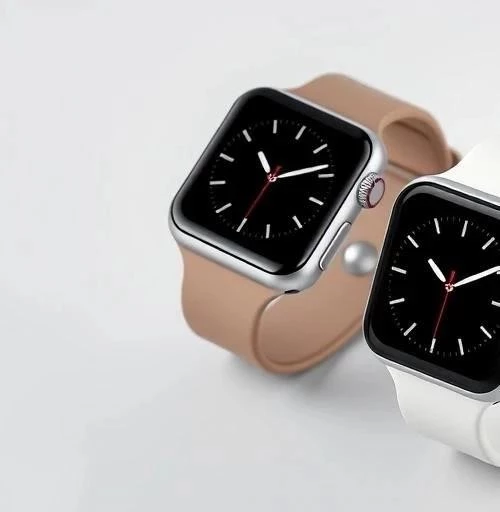
Counterfeit watches can look convincing in photographs‚ and some even imitate Apple’s packaging․ But appearance alone is not proof of authenticity․ The most reliable approach is to check how the watch pairs‚ whether its features work as expected‚ and whether its identity agrees with Apple’s records․ A copied serial number or logo‚ by itself‚ proves very little․
Check the design and build
The genuine Series 7 was sold in 41 mm and 45 mm sizes․ It has a large‚ rounded-edge display‚ a Digital Crown with a tactile response‚ and a side button below the case edge․ Compare the watch’s dimensions and finish with Apple’s official specifications for the exact model and material․ Counterfeits may have uneven seams‚ a loose crown‚ rough lettering‚ a dim screen‚ or a strap that fits poorly․ These clues are useful‚ but good copies can imitate the exterior․
Pair it with an iPhone
A genuine Apple Watch pairs through Apple’s built-in Watch app․ During setup‚ the iPhone should recognize the watch and guide you through Apple’s pairing process․ Many copies instead ask you to install a separate app‚ scan a QR code‚ or connect through ordinary Bluetooth settings․ That is a strong warning sign․ Do not enter your Apple Account password into an unfamiliar app or website to “activate” a watch․
Test the software and features
The original runs watchOS and offers Apple’s interface‚ App Store‚ notifications‚ and integration with iPhone features․ A clone may display similar icons but often has awkward translations‚ limited apps‚ lag‚ or menus that do not behave like watchOS․ Check familiar functions in person: open Settings‚ view the software information‚ change a watch face‚ and test notifications after pairing․ Series 7 also supports features such as an Always-On display and ECG; availability can depend on region‚ setup‚ and compatible hardware․ A menu promising a feature is not proof that the sensor works․
Verify the model and serial number
Find the watch’s information in Settings and compare its model details with the case and packaging․ You can check a serial number through Apple’s coverage-check service‚ but treat the result cautiously: counterfeit sellers may copy a real device’s number․ A valid lookup does not authenticate the physical watch․ If the number belongs to a different model‚ or details do not match‚ walk away․ Ask Apple Support or an authorized service provider to inspect a doubtful device․
Consider the price and seller
A price far below the normal market level‚ pressure to pay immediately‚ missing proof of purchase‚ or refusal to let you pair and test the watch are reasons to be cautious․ Prefer Apple or an authorized retailer; for a used watch‚ request a receipt and meet where you can test it․ Make sure the seller removes Activation Lock: the watch must be unpaired from their account before you buy it․
Before you pay
- Pair it using the iPhone Watch app—not a third-party app․
- Check the model‚ size‚ condition‚ and serial details for consistency․
- Test the screen‚ crown‚ buttons‚ charging‚ and basic functions․
- Confirm Activation Lock is removed and get a receipt․
Bottom line: A convincing case or serial number cannot settle the question․ Successful setup through Apple’s Watch app‚ consistent device details‚ working watchOS features‚ and a trustworthy seller together provide much stronger evidence․ If anything feels wrong‚ do not buy it; counterfeit electronics may lack dependable support and may not provide accurate health measurements․

8 Comments. Оставить новый
The reminder that feature availability may depend on region and setup adds useful nuance. It helps prevent readers from mistaking a missing option for definite evidence of a counterfeit.
The article makes a useful distinction between appearance and verification. A convincing case or copied logo is not enough; checking how the watch pairs with an iPhone is a more meaningful step.
It is sensible to test functions rather than rely on menus that merely claim to offer them. Checking real behavior after pairing gives buyers a more reliable basis for judging the watch.
The pairing advice is especially practical. A request to download an unfamiliar app or enter Apple Account credentials on an outside site should be treated as a serious warning sign.
I appreciate the caution about serial numbers. Since a counterfeit can copy a real number, it makes sense to treat that check as one part of a broader assessment rather than as conclusive proof.
This is a clear checklist for an in-person purchase. I would also keep the receipt and confirm the seller has a reasonable return policy, since inspection alone cannot remove every risk.
The strongest point is that no single clue settles the question. Pairing, software behavior, construction, and device information should be considered together before deciding whether a watch is genuine.
The article balances physical inspection with software checks well. Small flaws in the finish can be helpful clues, but the explanation correctly notes that a polished exterior does not guarantee authenticity.