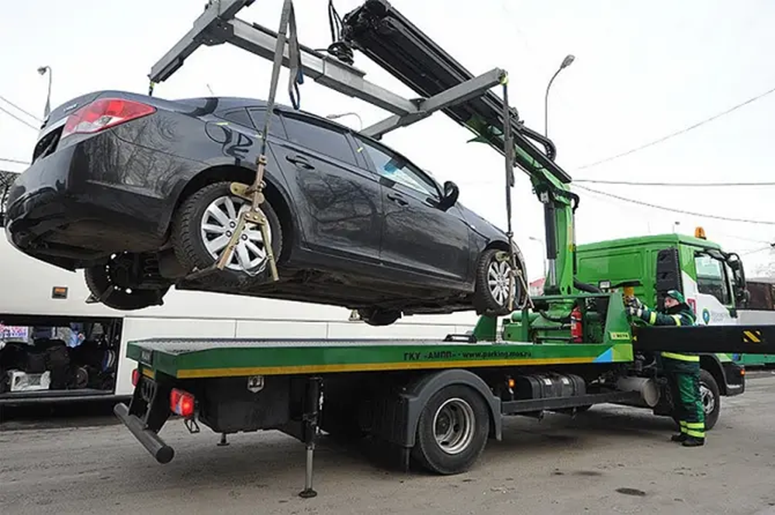
Vehicle towing is the organized transportation of a vehicle that is unable to continue driving or must be moved due to regulations, road maintenance, or the owner’s requirements.
Proper actions in the first minutes after a breakdown, accident, or the discovery of a parking violation reduce the risk of damage and speed up the return to normal driving.
It’s important to understand that towing by an emergency tow company is more than just “dragging” a vehicle to a service center: the drive type, suspension condition, access to tie-down points, vehicle weight, road conditions, and safety requirements are all taken into account. Below are basic rules and practical tips to help you act with confidence.
When towing is necessary and what to choose
A tow truck is required if the vehicle is unable to move independently or is unsafe to drive: brake failure, steering damage, overheating, fuel leak, wheel seizure, or a serious accident. Towing may also be necessary in the event of a blocked parking space, driving out of a ditch, transporting a vehicle without registration, or transporting rare vehicles.
Main Transportation Methods
- A flatbed (full load) is the safest option for most situations, including vehicles with automatic transmissions, all-wheel drive, low ground clearance, and suspension damage.
- Partial loading – lifting one axle; not always suitable, requires assessing the drive type and transmission condition.
- Towing with a cable – only permitted if regulations are followed, the brakes and steering are in good working order, and the transmission is functioning properly; this is often a temporary solution for short distances.
How to choose a method based on the transmission
Follow this simple rule: the greater the uncertainty (damage, unknown cause of failure, modern transmissions), the preferable a full load. For some vehicles, towing can lead to overheating and damage to components.
When a tow truck is required: breakdown, accident, wheel lock, illegal parking – summary
A tow truck is needed in situations where a vehicle cannot be safely driven, is interfering with other road users, or is prohibited/impossible to move independently. The key criteria are the risk to people and property, as well as compliance with traffic regulations and decisions of authorized services.
To avoid unnecessary costs and disputes, it is important to correctly assess the reason for the towing, document the circumstances, and follow the appropriate procedure: ensure safety, gather evidence, call the appropriate services, and complete the necessary paperwork.
Brief Guidelines for Common Cases
- Breakdown: Unable to drive (engine/transmission, steering, brakes, suspension, leaks, overheating), vehicle won’t start in an unsafe location, or requires delivery to a service center.
- Accident: Damage prevents driving, airbags deployed, geometry is out of alignment, there are leaks, wheels/steering don’t hold, vehicle is blocking access; if necessary, relocate according to traffic police/emergency services instructions.
- Wheel Lock: Wheel/brake mechanism is jammed, parking brake is locked, wheel/hub is damaged, vehicle cannot be rolled; a tow truck with partial loading or special equipment is often required.
- Illegal Parking: Towing is possible if parking/stopping rules are violated and there are grounds for doing so (signs/markings, obstructions, restricted areas). It is important to clarify the reason and location of the vehicle.
- Recording: photos/videos of the vehicle’s position, damage, signs and markings; witness information if necessary.
- Who to call: in case of an accident – emergency services/traffic police as appropriate; in case of a breakdown – a towing service; in case of forced towing – the dispatch center/service specified in the notification or by calling the city hotline.
- Documents and property: check the availability of documents, collect valuables, clarify the loading and delivery conditions; in case of forced towing – the payment and vehicle recovery procedure from the impound lot.
- Choose the towing type: full loading in case of serious damage; partial loading/with dollies in case of locked wheels; a crane truck in case of difficult access.
Summary: A tow truck should be called if independent movement is unsafe or impossible, or if the vehicle must be moved by decision of the services due to a parking violation. The more accurately you describe the situation and prepare documentation and documentation in advance, the faster the evacuation will be and the fewer risks and costs there will be.