
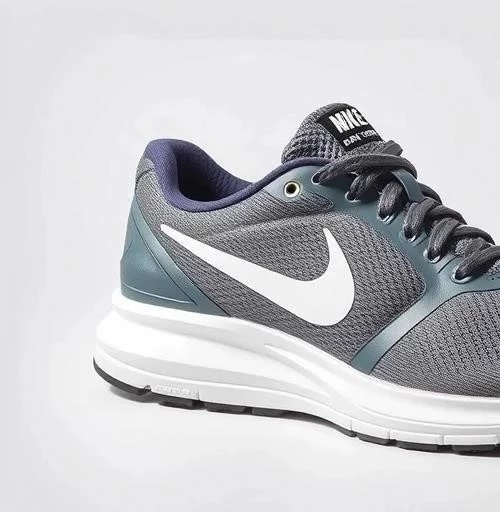
The Nike Vomero is a cushioned road-running shoe family aimed primarily at everyday training. Its appeal is straightforward: a comfortable ride for regular miles‚ with enough protection to make longer outings feel more manageable. However‚ the experience depends on the specific version‚ the runner’s foot shape‚ and personal preferences. The Vomero is not automatically the best choice for every runner or every type of workout. A useful assessment should consider comfort‚ fit‚ weight‚ stability‚ price‚ and intended use together.
What the Vomero is designed for
Vomero models are generally positioned as neutral daily trainers rather than specialist racing shoes or motion-control footwear. They are commonly considered for easy runs‚ recovery sessions‚ and steady everyday mileage. Their cushioning is intended to soften repeated impact‚ while the upper and sole provide the support and protection needed for routine road use. Nike updates the range over time‚ so foam‚ geometry‚ weight‚ fit‚ and other details can differ from one generation to another. Product names alone do not guarantee an identical ride.
Advantages
Comfortable cushioning for regular miles
The main reason many runners consider the Vomero is its cushioned feel. A well-matched version can help make long or easy runs feel less harsh underfoot‚ especially on paved routes. The cushioning may also suit people who simply prefer a softer‚ more protective trainer for daily use. Comfort is subjective‚ though: a soft ride that feels pleasant to one runner may seem excessive or less natural to another.
Versatility for everyday training
For runners who want one shoe for several ordinary sessions‚ the Vomero can be a practical option. It is generally better suited to relaxed and moderate running than to highly specialised speed work‚ but it can cover a broad share of a weekly routine. It may also be useful for walking‚ depending on fit and preference. This versatility can reduce the need to buy separate shoes for every type of easy outing.
A protective feel on hard surfaces
Road runners spend many kilometres on surfaces that offer little natural give. The Vomero’s cushioning and sole construction are designed with that setting in mind. Some runners may value the sense of separation from the ground‚ particularly during longer sessions or when their legs feel tired. This is a matter of preference rather than a guarantee of injury prevention: no shoe can eliminate the forces involved in running or replace sensible training progression.
Familiar‚ widely available brand range
Nike has an established retail presence‚ and the Vomero is part of a recognisable running-shoe line. Depending on location and season‚ shoppers may be able to compare current and previous versions‚ colour options‚ and prices through different retailers. Trying a pair on in person can make it easier to judge the feel and fit before buying. Availability and return policies vary‚ so it is worth checking the seller’s terms rather than assuming they are the same everywhere.
Potentially useful for runners who favour a smooth‚ cushioned ride
Some runners prefer a shoe that feels protective and steady through ordinary kilometres rather than especially close to the ground. For those preferences‚ the Vomero may offer a more comfortable daily option than a firmer or lighter model. The best assessment comes from testing the shoe at a realistic pace. A short try-on can reveal obvious fit problems‚ while a permitted test run gives a better impression of how the cushioning feels over time.
Disadvantages
Bulk and weight may not suit everyone
A shoe built around cushioning can feel larger or heavier than a minimal trainer or a lightweight workout model. The sensation varies by version and by runner‚ but people who prioritise a quick‚ light feel may find the Vomero less appealing. Extra cushioning can also make the shoe seem less direct during fast intervals. Comparing the actual model with lighter alternatives is more informative than relying on the family name or appearance alone.
Not a specialist choice for speed or racing
The Vomero is primarily an everyday trainer‚ not a dedicated racing shoe. Runners seeking a very light build‚ an aggressive race-focused design‚ or a highly responsive feel may prefer a different category. It can be used for faster running if it feels comfortable‚ but that does not make it the most efficient option for every workout. A shoe’s intended role is a useful starting point‚ not a strict rule about what a runner is allowed to do.
Neutral design may not provide enough guidance for some runners
The Vomero is generally a neutral shoe‚ so it is not designed to correct every individual movement pattern or provide specialised stability features. Some runners are comfortable in neutral footwear; others may prefer a more supportive model. The right choice depends on comfort‚ running history‚ and individual needs. Anyone dealing with persistent pain or uncertainty about footwear can seek advice from a qualified clinician or running specialist rather than expecting a shoe to diagnose or treat a problem.
Fit can vary between versions and foot shapes
Even a comfortable model may not suit every foot. Toe-box space‚ heel hold‚ upper pressure‚ and overall width are important‚ and each can feel different across Vomero generations. A pair that fits well in length may still feel tight across the forefoot or loose at the heel. Where possible‚ try the shoes on with the socks used for running and check that the toes have room and the heel feels secure without excessive pressure.
Price and value require comparison
The Vomero may cost more than basic daily trainers‚ particularly when a newly released version is sold at full price. Whether that price represents good value depends on fit‚ durability‚ comfort‚ and how often the shoe is used. Discounts on older models can make them attractive‚ but buyers should check the exact version and its condition. A lower price is not a bargain if the shoe feels unsuitable or does not meet the runner’s needs.
Cushioning and appearance are personal preferences
Plush cushioning is a benefit for some and a drawback for others. Runners who prefer a firm‚ ground-connected sensation may find the Vomero too soft or less natural. Its relatively substantial look may also be less appealing to shoppers seeking a discreet or minimalist design. These preferences cannot be settled by specifications alone; an in-person comparison with another daily trainer can clarify which ride feels more comfortable and controlled.
Who may want to consider it?
The Vomero may be worth trying for runners looking for a cushioned neutral shoe for routine road miles‚ particularly if comfort and protection matter more than the lowest possible weight. It may also suit people who want a single trainer for easy runs and general use. It is less likely to be the obvious first choice for runners focused on racing‚ very fast sessions‚ a firm underfoot feel‚ or specialised stability. These are general tendencies‚ not guarantees about an individual’s experience.
How to make a fair comparison
- Check the exact model year and specifications; features can change between versions.
- Try the shoe on both feet and assess toe room‚ heel security‚ and pressure across the upper.
- Compare it with at least one lighter or firmer daily trainer at a similar price.
- If possible‚ test it at an easy running pace‚ not just while standing in a shop.
- Review the retailer’s return policy and consider the shoe’s intended use before purchase.
The Nike Vomero’s strongest points are its cushioned character‚ everyday usefulness‚ and potential comfort on road runs. Its main limitations are that it can feel bulky‚ may not be ideal for speed-focused training‚ and will not suit every foot or cushioning preference. Price and details also vary by version and retailer. The most balanced conclusion is that the Vomero is a candidate to try‚ not a universally suitable shoe. Fit and the feel of the particular model should guide the final decision.
2 Comments. Оставить новый
The article provides a balanced overview of the Vomero’s intended use and explains why cushioning and fit can vary in importance between runners. Its reminder that different generations may offer different experiences is particularly useful.
The discussion clearly distinguishes an everyday trainer from a specialist running shoe without making broad claims about who should buy it. More specific comparisons between versions could help readers assess the range further.