
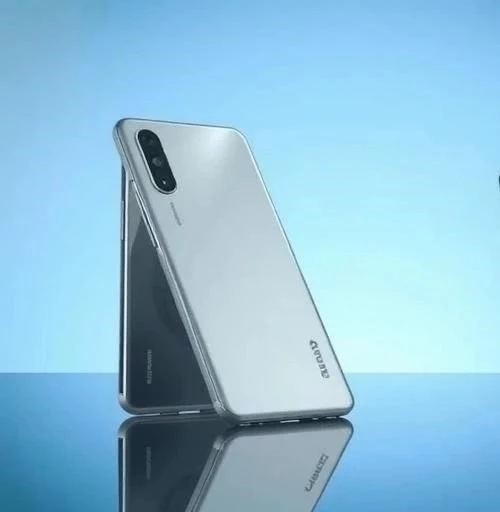
There is no single winner for every buyer․ Samsung is usually the safer choice if you want familiar Google services‚ broad app compatibility‚ and a wide selection of phones․ Huawei can be a better fit if you value its hardware‚ design‚ cameras‚ and connected-device ecosystem—and are comfortable checking which apps and services work on the exact model in your country․ The right answer depends less on the name on the phone than on how you use it․
This comparison focuses on the factors that matter in everyday use: software‚ apps‚ cameras‚ battery life‚ hardware‚ updates‚ price‚ and the experience of owning other devices from the same brand․ Both companies sell many models at different price points‚ so comparisons should be made between specific phones from a similar generation and price range—not between a budget handset from one brand and a flagship from the other․
The short answer
- Choose Samsung if you want straightforward access to Google apps and services‚ a broad choice of models‚ and a familiar Android experience․
- Choose Huawei if a particular Huawei phone’s design‚ camera‚ hardware‚ or price appeals to you‚ and you have confirmed that its software and essential apps meet your needs․
- Compare the exact models if you are deciding between two phones․ Screen quality‚ battery life‚ camera performance‚ storage‚ and support can vary considerably within either brand’s range․
Software and apps: the biggest practical difference
For many buyers‚ app access is the deciding factor․ Samsung’s smartphones generally run Android with Samsung’s One UI interface and‚ in many markets‚ come with Google services such as Google Play‚ Gmail‚ Maps‚ and YouTube․ If you already use those services‚ a Samsung phone will usually feel familiar․ You can also install many Android apps through Google Play‚ subject to regional availability and the requirements of each app․
Huawei’s recent phones use Huawei’s own software and services rather than offering the same standard Google Mobile Services experience found on many Samsung devices․ The precise situation depends on the phone‚ its software version‚ and the market where it is sold․ Huawei offers its own app and service ecosystem‚ but an app that is easy to install on one device may be unavailable‚ work differently‚ or require another method on another device․
That difference does not automatically make a Huawei phone unusable․ Many people can do what they need with Huawei’s services‚ browser-based tools‚ or alternative app options․ But you should not assume that every Google-dependent app will behave as it does on a Samsung phone․ Before buying‚ make a list of essentials—such as banking‚ work‚ navigation‚ messaging‚ streaming‚ school‚ or authentication apps—and check each one on the exact Huawei model you are considering․ Also check whether notifications‚ payments‚ location features‚ and updates work as expected․
Samsung is generally the simpler option for someone who wants a conventional Google-based Android setup without researching alternatives․ Huawei may suit someone who is comfortable exploring a different ecosystem and has verified compatibility in advance․ This matters especially if the phone is for a less technical user or will be used for work․
Design‚ screens‚ and build quality
Both companies produce carefully finished phones‚ from affordable everyday devices to premium models․ The feel in the hand depends on the individual design: weight‚ thickness‚ frame materials‚ curved or flat edges‚ button placement‚ and the size of the display․ One brand is not consistently the better choice across every price tier․
When comparing screens‚ look beyond the headline size․ Consider brightness outdoors‚ colour settings‚ refresh rate‚ resolution‚ and whether the display is comfortable for reading․ If possible‚ view both phones in person․ A bright‚ easy-to-read screen may matter more to you than a small difference in resolution on a specification sheet․
Durability also needs a model-by-model check․ Look up the phone’s water- and dust-resistance rating‚ screen material‚ repair options‚ and the price of replacing the display․ A protective case and screen protector can be sensible whichever brand you choose․ Do not assume that a premium-looking finish means a phone is immune to damage․
Cameras: compare real results‚ not brand reputation
Huawei and Samsung both compete strongly in smartphone photography‚ but the best camera depends on the model and the kind of pictures you take․ A phone may excel at detailed daylight shots but be less consistent indoors‚ or offer a useful zoom camera while producing less natural-looking colours․ Different models can also process skin tones‚ shadows‚ and night scenes in noticeably different ways․
For a fair comparison‚ look at sample photos from the exact phones in ordinary situations: portraits‚ moving people‚ indoor lighting‚ night scenes‚ landscapes‚ and zoom levels you actually use․ Check whether colours look natural to you and whether the camera captures motion sharply․ Review video as well if you record family events or social media clips; stabilisation‚ sound‚ focus‚ and switching between lenses all affect the result․
Do not judge a camera only by megapixels or the number of lenses․ Software processing and the quality of each individual camera are just as important․ If photography is a priority‚ find independent comparisons that include the specific models‚ and make sure the samples were taken in comparable conditions․
Battery life and charging
Battery performance depends on more than battery capacity; Screen brightness‚ mobile signal‚ gaming‚ navigation‚ background apps‚ and software optimisation can all change how long a phone lasts․ A larger number on the specification sheet does not guarantee a longer day of use․
Check reviews that test the model in realistic conditions‚ and consider whether you can charge conveniently at work‚ at home‚ or on the go․ Charging speed and wireless charging support also vary between models․ Confirm what is included in the box and whether you will need to buy a compatible charger separately․ If you travel often‚ make sure that your chosen phone supports the charging accessories and mobile networks you rely on․
Performance and storage
Both brands offer devices for light everyday use as well as demanding tasks․ For browsing‚ messaging‚ video‚ and ordinary photography‚ a well-chosen mid-range phone may be more than fast enough․ For intensive games‚ video editing‚ or heavy multitasking‚ compare independent performance tests and look for a model with adequate memory and storage․
Storage deserves special attention because photos‚ videos‚ downloaded media‚ and apps can fill a phone quickly․ Check the available capacity‚ whether the model supports expandable storage‚ and how much space the system uses․ Do not pay extra for a faster processor if your real priorities are a good screen‚ reliable battery‚ and enough room for your files․
Updates‚ security‚ and long-term ownership
Software support affects security and how long a phone stays pleasant to use․ Update policies vary by model‚ release date‚ and market‚ so check the manufacturer’s current commitment for the particular phone rather than relying on a general impression of either brand․ Find out how long it is expected to receive operating-system upgrades and security patches‚ and when those updates are expected to arrive․
Samsung’s broad Android presence may make its software experience more familiar to buyers who have used Android phones before․ Huawei’s update and service experience should be assessed for the specific region and device․ In either case‚ an older discounted phone may have less support time remaining than a newer model․ A low purchase price is less attractive if the handset is already near the end of its update period․
Also consider repairability and local service․ Ask whether authorised repairs are available nearby‚ how long common repairs take‚ and whether replacement parts can be obtained․ A phone you can keep in service for several years may be a better purchase than a slightly cheaper device that is difficult to maintain․
Price and availability
Prices change frequently with promotions‚ retailer stock‚ and the release of newer models․ Compare the total cost of ownership‚ not just the advertised price: include a case‚ charger if needed‚ storage upgrades‚ repairs‚ and any services you expect to use․ Check that the device is intended for your market‚ supports the mobile bands used by your carrier‚ and comes with a warranty you can actually claim locally․
In Russia‚ Huawei’s official Russian consumer site lists products including phones and other connected devices‚ while local retailers also publish catalogues and current prices․ Availability and the terms of sale can change‚ so verify the seller‚ warranty‚ software configuration‚ and return policy before ordering․ A listing alone does not confirm that every feature or app will work exactly as you expect․
Be especially cautious with imported or unofficially supplied phones․ They may differ in software‚ network support‚ included accessories‚ or after-sales service․ This advice applies to either brand․ Ask the seller for the exact model number and check it against the manufacturer’s information for your country․
Ecosystem: phones‚ tablets‚ watches‚ and computers
If you already own a laptop‚ tablet‚ watch‚ earbuds‚ or other connected products‚ staying within a compatible ecosystem can make everyday tasks smoother․ Huawei’s product range includes smartphones and other consumer devices‚ while Samsung also offers a broad range of connected electronics․ Features such as device pairing‚ file sharing‚ notifications‚ and continuity tools depend on the exact products and software versions involved․
Before choosing a phone for ecosystem reasons‚ check that the devices you own are supported․ A brand name on two products does not guarantee that every feature works across them‚ especially when operating systems or regional versions differ․ If you are starting from scratch‚ compare the price and usefulness of the whole setup‚ not simply the phone․
Which brand is better for different buyers?
Samsung is likely the better choice if…
- You depend on Google apps or apps that require Google services․
- You want an Android experience that is familiar and easy to set up․
- You prefer to choose from a broad range of models and price levels․
- You need to minimise uncertainty about app compatibility․
- You want a phone for a family member who expects common apps to work without extra setup․
Huawei may be the better choice if…
- You have found a Huawei model whose design‚ camera‚ or hardware suits you particularly well․
- You already use Huawei devices and value the connections between them․
- You are happy to use Huawei’s services or other app options where necessary․
- You have confirmed that your essential apps and services work on the exact phone․
- The price‚ warranty‚ and local support make that specific model a better overall deal․
A simple way to make the decision
- Write down your must-have apps․ Check them on the exact phone‚ not just the brand’s newest flagship or an older device․
- Choose a realistic budget․ Compare phones in the same price range and generation․
- Prioritise your daily needs․ Decide whether camera‚ battery‚ screen‚ performance‚ storage‚ or app access matters most․
- Check support and service․ Confirm update expectations‚ warranty coverage‚ repair availability‚ and compatibility with your carrier․
- Try the interface if possible․ Comfort with the size‚ menus‚ keyboard‚ and camera controls can make a bigger difference than a small specification advantage․
Final verdict
For most buyers who want the least complicated choice‚ Samsung is the safer recommendation‚ mainly because its Android phones generally provide a familiar route to Google services and a broad selection of devices․ That is a practical advantage‚ not proof that every Samsung phone is better than every Huawei phone․
Huawei can be the better purchase when a particular model matches your priorities and its app limitations are acceptable․ Its phones may appeal through their hardware‚ design‚ photography‚ or place in a Huawei device setup․ The important step is to verify software compatibility‚ local support‚ and the exact terms of sale before paying․
In short: choose Samsung for a straightforward Google-based Android experience; choose Huawei when you have checked the details and prefer the specific phone or ecosystem․ Compare model against model‚ test the apps you rely on‚ and let your everyday needs—not brand loyalty—make the final decision․
Sources and further checks
For current product information‚ consult the Huawei Russia consumer site and its phone catalogue․ The information available for this comparison also points to the Huawei corporate site and Russian retailer catalogues․ Retail listings can help with price checks‚ but confirm specifications‚ warranty‚ regional software‚ and app compatibility with the seller and manufacturer before purchase․

5 Comments. Оставить новый
The reminder to compare phones in the same price range is especially useful. Brand reputation alone does not tell you which model offers better value.
A helpful overview for anyone deciding between the two ecosystems. I would also look closely at update policies and local app availability before making a choice.
I like the balanced approach. It recognizes Huawei strengths while making clear that Samsung may be the more convenient option for people who rely on Google services.
The advice to compare specific models makes sense. Camera quality, battery life, software support, and price can differ a lot within each brand.
App availability is an important consideration, and the article explains why checking the exact Huawei model and region matters before buying.