
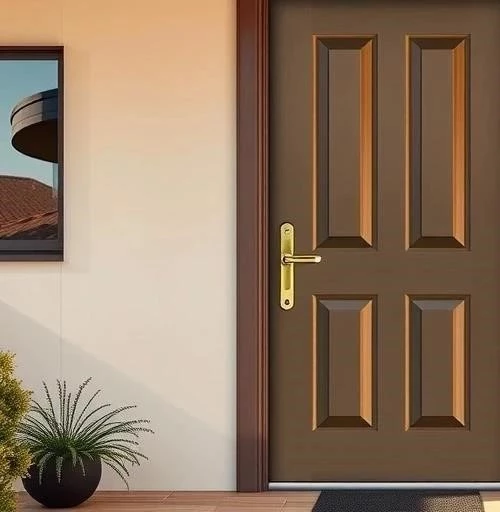
The service life of a door depends on more than its purchase price․ A durable door is the result of suitable materials, sound construction, correct installation and regular care․ Choosing on initial cost alone can be misleading: a cheaper model may require early repair or replacement, while a well-made door can remain reliable for many years․
Materials and construction
The door leaf material affects wear resistance and performance․ A metal door is often chosen as an entrance door because its structural strength can provide security, provided the frame, locks and hinges are equally robust․ A wooden door offers a classic appearance and can be repaired, but its protective coating and moisture resistance matter: dampness and temperature fluctuations may cause swelling or warping․ MDF is suitable for many interior doors, though its lifespan depends on manufacturing quality and protection from water․
Do not assess the leaf in isolation․ A weak door frame, poor seals or low-grade hardware can shorten the whole unit’s service life․ The door manufacturer’s specifications and warranty period are useful, but neither replaces checking the actual quality of the finish, joints and fittings․
Use, installation and maintenance
Operating conditions and use intensity strongly influence longevity․ An interior door in a dry, lightly used room faces less stress than an entrance door exposed to weather and opened repeatedly․ Correct installation is essential: misalignment places extra load on hinges and locks, causing premature wear even when the door itself is sound․
- Inspect seals, hinges and locks periodically; tighten or adjust fittings when needed․
- Clean the surface with products suitable for its protective coating, and keep moisture away from vulnerable edges․
- Arrange hardware maintenance promptly․ Small adjustments can prevent costly door repair․
Recognizing wear and extending service life
Signs of wear include sticking, sagging, loose handles, damaged seals, peeling finish and difficulty locking․ Addressing these problems early is more economical than waiting for a failure․ Replace worn components where practical, but consider the door’s overall condition: extensive damage to the frame or leaf may make replacement the safer choice․
Ultimately, durability is not a fixed number of years․ It is the combined result of material, construction, installation and care․ Match the door to its purpose, follow maintenance guidance and respond to defects early․ These measures help extend service life and ensure that the door remains secure, functional and attractive for as long as its conditions allow․


9 Comments. Оставить новый
The discussion of moisture and temperature changes adds useful context to material selection. It encourages readers to consider the actual environment where the door will be installed, not just its appearance.
The maintenance advice is clear and manageable. Periodically checking hinges, seals and locks can help identify minor problems before they interfere with operation or cause more extensive wear.
The article makes a useful point that a door should be evaluated as a complete system, not just by the material of its panel. The frame, seals and hardware can all affect how long it performs reliably.
The article appropriately treats warranties as useful information rather than proof of quality. Looking closely at the finish, joints and fittings remains important when assessing a product.
This is a practical reminder that the lowest purchase price may not represent the best value over time. Considering repair needs, expected use and replacement costs gives buyers a more complete basis for comparison.
The emphasis on installation is especially important. Even a high-quality door may develop problems if it is misaligned, so checking the installer and ensuring a proper fit are sensible parts of the buying decision.
I appreciate the balanced comparison of metal, wood and MDF. Rather than declaring one material best in every situation, the article connects each choice to its intended use and exposure to moisture.
I found the distinction between interior and exterior conditions helpful. A door exposed to weather and frequent use needs different durability considerations from one used occasionally in a dry room.
Overall, this is a sound overview of the factors that influence door longevity. Its strongest message is that suitable materials, careful installation and routine attention work together to prevent avoidable problems.