
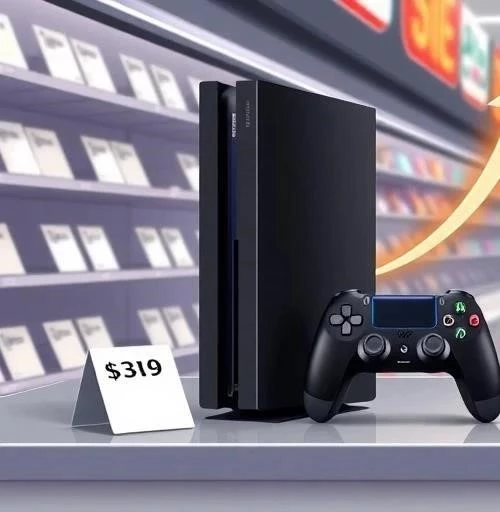
A price increase for the PlayStation 4 can seem surprising․ Sony’s console first went on sale in 2013‚ and it has since been succeeded by the PlayStation 5․ Older hardware would normally be expected to become cheaper over time․ Yet shoppers in some places may find that a new or used PS4 costs more than it did previously‚ or that prices vary sharply between stores․ This does not necessarily mean Sony has raised the console’s official price․ In many cases‚ the change reflects local supply‚ retail conditions‚ or the kind of PS4 being sold․
Fewer new consoles are available
The most important factor is supply․ As a product ages‚ manufacturers generally reduce or stop production and retailers sell through their remaining stock․ If few new PS4 consoles are entering the market‚ a shop with limited inventory may charge more‚ particularly when customers still want a new‚ unused unit․ The console’s age does not guarantee a low price if the supply of new examples has become scarce․
This effect is different from a planned price rise․ A manufacturer may no longer set or actively promote a standard price‚ while individual retailers decide what to charge for their remaining stock․ One store may discount a console to clear its shelves; another may list a scarce bundle at a premium․ Online marketplaces can widen the difference because independent sellers set prices themselves․
The used market is not always predictable
Used prices depend on the number and condition of consoles available‚ as well as local demand․ A working PS4 with a clean controller‚ cables‚ original packaging‚ and a warranty may cost considerably more than a console sold without accessories or with visible wear․ Sellers may also charge extra for limited editions‚ larger storage capacity‚ or bundles that include popular games․
When fewer people trade in their consoles‚ the supply of good-quality used units can shrink․ At the same time‚ some buyers seek an inexpensive way to play games they already own or to give a console to a family member․ If those buyers outnumber available units in a particular area‚ prices may rise even though the hardware is old․ This is a local market effect‚ not evidence that every PS4 has become more valuable․
Demand for affordable gaming remains
The PS4 still has a substantial game library‚ and many titles can be bought at lower prices than when they were first released․ For someone who does not need the newest hardware‚ a PS4 can remain a practical entry point into console gaming․ It may also appeal to people who want a second console‚ need a replacement for a broken unit‚ or prefer to keep playing games in their existing collection․
The arrival of the PS5 did not immediately remove these reasons to buy a PS4․ Although the newer system can play most PS4 games‚ it costs more and may be unnecessary for a buyer interested only in older titles․ Continued demand can therefore support prices‚ especially where the PS5 is expensive‚ difficult to find‚ or less accessible to some households․
Currency‚ inflation‚ and import costs affect local prices
A console’s retail price is not determined by its age alone․ Exchange-rate changes can make imported electronics more expensive in a country whose currency has weakened against the currency used by suppliers․ Inflation may raise costs across the distribution chain‚ including transport‚ storage‚ wages‚ and retail operations․ Import duties‚ taxes‚ and local regulations can add further differences between countries․
These pressures can affect older products too․ If a retailer must replace depleted stock through an importer‚ the cost of obtaining a remaining unit may be higher than the cost of stock purchased years earlier․ A local price increase may therefore reflect the economics of that market rather than a worldwide decision by Sony․ Prices can move differently from one region to another․
Listings and bundles can make comparisons misleading
Not every price shown in a search result represents the same product․ A listing might be for a new console‚ a refurbished model‚ a used unit‚ or a bundle with several accessories․ Some sellers include delivery or a warranty in the price; others add those costs later․ A high-priced listing may simply be an outlier‚ while a low-priced one may have a missing controller‚ cosmetic damage‚ or limited returns․
It also matters which PS4 model is being compared․ The original PS4‚ PS4 Slim‚ and PS4 Pro differ in design and capability․ The Pro can command a higher price than a basic model‚ while condition and included storage can further affect value․ Comparing a Pro bundle with a used standard PS4 can create the impression that the whole product range has become more expensive when the items are not equivalent․
Retailers may change prices independently
Retail prices can rise or fall as stores respond to inventory‚ promotions‚ and competition․ A retailer with only a few units left may stop discounting them․ Another may offer a temporary sale‚ causing the average price to look lower for a short period․ Marketplace algorithms and independent resellers can also influence prices‚ sometimes producing unusually high listings that do not reflect completed sales․
For this reason‚ a single advertised price is not enough to establish a general trend․ It is more useful to compare several reputable sellers and‚ where possible‚ check recent completed transactions for the same model and condition․ The distinction between an asking price and a price someone actually paid is important․
How to judge whether a PS4 is genuinely overpriced
- Identify the exact model and storage capacity․
- Check whether it is new‚ refurbished‚ or used‚ and review the condition․
- Compare what is included: controller‚ cables‚ games‚ packaging‚ and warranty․
- Look at several local retailers and completed marketplace sales‚ not just one listing․
- Include shipping‚ taxes‚ return terms‚ and any repair risk in the total cost․
- Compare the total with the cost of a PS5 if access to newer games or longer-term support matters․
The PS4 may appear to have become more expensive because new stock is limited‚ demand for an affordable console persists‚ and prices are affected by currency changes‚ inflation‚ import costs‚ and retailer decisions․ Used-console condition‚ model differences‚ and bundles can also distort comparisons․ A higher price in one shop or country does not prove that Sony has raised the PS4’s official price everywhere․ The clearest assessment comes from comparing like-for-like consoles in the same market and checking what buyers are actually paying․

2 Comments. Оставить новый
The discussion of condition, accessories, and bundles provides helpful context for comparing used PS4 listings. Checking what is included and the console’s condition can help shoppers assess whether a price is reasonable.
The article clearly distinguishes an official price increase from changes caused by limited stock and individual retailer decisions. Its explanation of why new consoles and used units can have different prices is useful.