
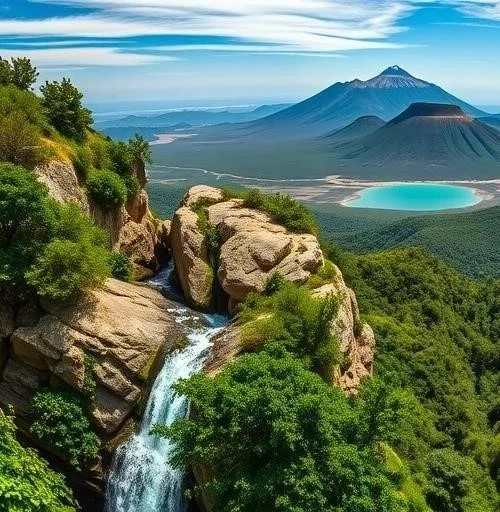
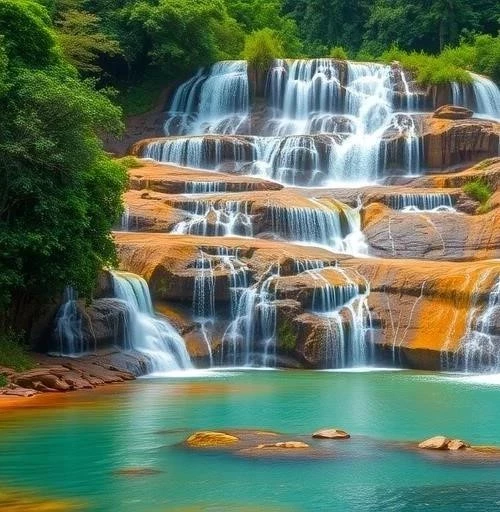
Agua Azul Waterfalls, in Chiapas, can be a memorable centrepiece of a journey through southern Mexico․ The site is known for a series of cascades and pools framed by green vegetation․ Rather than treating it as a brief photo stop, travellers can plan a day around the falls and the roads, villages and landscapes encountered along the way․ Its character is markedly different from that of Nevado de Toluca, a high-altitude volcanic landscape near central Mexico․
Making the journey part of the experience
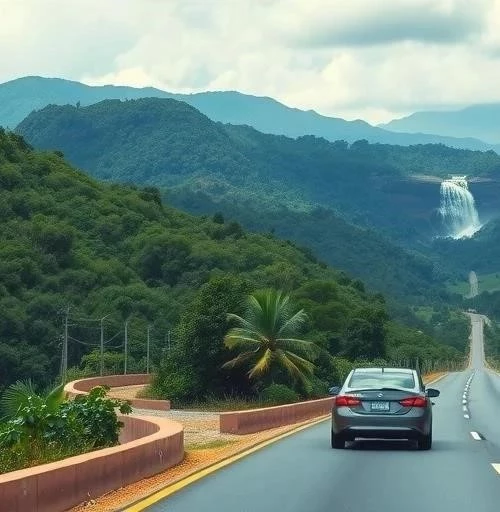
Agua Azul lies in a region where a road trip may include mountain scenery, forested slopes and rural communities․ The approach is not simply a fast transfer between major cities: travel times can be affected by winding roads, weather, traffic and local conditions․ A flexible schedule makes it easier to pause at viewpoints or towns without having to rush through the waterfall visit․ Check current route advice before setting out, and avoid assuming that a map’s shortest route is necessarily the most practical one․
Many itineraries pair Agua Azul with other destinations in Chiapas, such as Palenque or the area around San Cristóbal de las Casas․ These places are not right beside one another, so it is sensible to allow adequate driving time and, where possible, stay overnight rather than cover long distances after dark․ The route can be rewarding in its variety: a day may move from busy town streets to open countryside and then to the sound and spray of the cascades․
Time at the waterfalls
At the site, visitors can walk between viewing areas and observe the water from different angles․ The colour of the pools is often striking, but appearance varies with rainfall, sediment and light; after heavy rain, the water may look less clear or blue․ Paths and rocks can be slippery, so sturdy footwear and care near the water are important․ Follow posted rules and local guidance, particularly around swimming areas, where conditions can change․
Arriving earlier in the day can provide more time to explore before crowds or afternoon weather affect the visit․ Bring drinking water, sun protection and some cash for small purchases, while keeping valuables secure․ Facilities and access arrangements may change, so confirm practical details locally․ A responsible visit also means respecting residents, avoiding litter and not entering restricted areas for a photograph․
Agua Azul and Nevado de Toluca: a contrast of landscapes
Nevado de Toluca offers a very different kind of stop․ It is a high-elevation volcanic area in the State of Mexico, associated with a crater and lakes, while Agua Azul is a lowland waterfall destination in Chiapas․ One is defined by flowing water, humid vegetation and cascading pools; the other by thin mountain air, volcanic terrain and broad views․ Together, they show how varied Mexico’s landscapes can be, but they are far apart and should not be presented as neighbouring stops on a short drive․
The difference also affects preparation․ At Agua Azul, heat, humidity, rain and wet paths may shape the day․ At Nevado de Toluca, altitude and cold or rapidly changing mountain weather are more relevant, and access can depend on official restrictions and conditions․ Visitors should check current notices for both places, dress for the environment and avoid strenuous activity if they feel unwell․ Neither destination is best approached as a guaranteed, all-weather attraction․
Planning a balanced itinerary
For a trip centred on Agua Azul, build the itinerary around realistic driving times and a comfortable overnight stop․ Keep some flexibility for road delays, weather and changes in access․ If the wider journey includes Nevado de Toluca, treat it as a separate regional chapter, with travel between regions planned by road or transport connections rather than as a quick detour․ The contrast can enrich a longer Mexican journey: one stop invites visitors to follow the movement of water, while the other emphasizes elevation, open space and volcanic landforms․
Agua Azul works especially well as a main stop when the journey itself matters as much as the destination․ Scenic roads, measured pauses and time beside the cascades create a fuller experience than a hurried arrival and departure․ With practical preparation and respect for local conditions, the waterfalls can anchor a memorable Chiapas itinerary while Nevado de Toluca provides a striking, distinctly different landscape elsewhere in Mexico․
3 Comments. Оставить новый
The comparison with Nevado de Toluca helps establish the distinct character of the destination. The reminders about changing water conditions, slippery paths and local guidance are also relevant for planning a visit.
The article offers a useful overview of Agua Azul and explains why visitors may want to allow more than a brief stop. The practical notes about road conditions and travel time add helpful context.
This is a clear introduction to combining Agua Azul with other destinations in Chiapas. The advice to plan overnight stops and avoid long drives after dark makes the itinerary guidance more practical.