
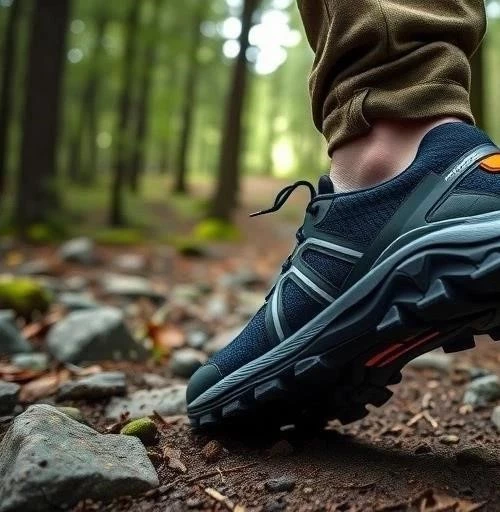
Trail shoes for wide feet need to do more than feel roomy in a shop. They must hold the foot securely on uneven ground‚ protect it from rocks and roots‚ and remain comfortable as feet swell during a run. ASICS combines cushioning‚ outsole grip‚ protective features and different fit options across its trail range. However‚ technologies and sizing vary by model and release year. A feature found in one shoe should not be assumed to appear in every ASICS trail shoe.
What “wide fit” means on the trail
Width is not just a matter of having a broad forefoot. A runner may need more space around the toes‚ a higher-volume upper‚ or a less restrictive shape through the middle of the foot. These needs can feel different on a steep climb‚ a descent or a long run‚ when the foot shifts and gradually expands. A shoe can feel wide while standing still but still press on the little toe during a downhill section.
ASICS offers selected models in different widths in some markets‚ but availability depends on the model‚ season‚ region and size. A regular-width shoe with a flexible upper may suit some runners‚ while others need a specifically labelled wide version. The shape of the last—the form around which a shoe is built—also matters. Two models with the same width label can fit differently‚ so the label is a useful starting point rather than a guarantee.
Upper construction and foot containment
The upper must balance space with control. Trail footwear often uses engineered mesh or other durable‚ breathable materials‚ with overlays or reinforced zones in areas exposed to abrasion. These details can help hold the midfoot and protect the sides of the shoe. For a wide-footed runner‚ their placement is important: a strong overlay across the forefoot may create pressure if it crosses a sensitive area‚ even when the toe box appears roomy.
Lacing provides a practical way to adjust the fit. Loosening the lower rows can reduce pressure over the forefoot‚ while keeping the midfoot secure helps limit sliding on descents. Some shoes have eyelets that allow alternative lacing patterns‚ although their use depends on the design. A runner should avoid compensating for an overly narrow shoe by leaving the entire shoe loose; this can reduce stability and allow the foot to move against the upper.
Toe-box height and shape matter alongside width. A tapered front can press on the toes‚ while a more rounded shape may give them room to spread. The upper also needs enough structure to keep the foot from moving sideways on sloping trails. A wide fit should therefore feel spacious at the front but secure around the heel and midfoot. Extra volume in every part of the shoe is not always beneficial.
Cushioning and midsole technologies
ASICS uses different midsole foams across its running range‚ including FF BLAST-family formulations in selected trail models. These foams are designed to provide cushioning and a responsive feel‚ but the exact formulation and construction can change between versions. A softer midsole may feel comfortable on long‚ relatively smooth routes; on technical ground‚ some runners prefer a firmer‚ more controlled platform. Cushioning is a matter of preference‚ not a substitute for a suitable fit.
Some ASICS models also use PureGEL technology‚ positioned to provide cushioning in the heel area. Its presence should be checked in the specifications for the particular shoe‚ because not every trail model includes it. Gel components and foam work within the shoe’s overall construction: the ride also depends on the midsole shape‚ stack height‚ outsole and the runner’s weight and pace. A technology name alone cannot predict how a shoe will feel on an individual foot.
For wide feet‚ the platform beneath the midsole deserves attention. A broad base may feel more stable‚ but a wide platform does not make a narrow upper wider. Likewise‚ a high stack of cushioning can feel less direct on irregular surfaces than a lower‚ firmer design. Trying the shoe on with the socks intended for running can help reveal whether the foot is held comfortably without being squeezed or allowed to slide.
Grip and protection on uneven terrain
ASICSGRIP is ASICS’ trail outsole technology used on selected models. The rubber compound and lug pattern are intended to provide traction on outdoor surfaces‚ though grip varies with the terrain‚ outsole design and conditions. Mud‚ wet rock‚ loose gravel and hard-packed paths place different demands on an outsole. Lug depth and spacing can influence how effectively the shoe sheds mud and how comfortable it feels on firmer ground.
Some trail shoes include a rock-protection plate or a similarly protective element beneath the foot. This can reduce the sensation of sharp objects pressing through the sole‚ especially on rocky routes. It may also make the shoe feel less flexible. A plate does not make the shoe puncture-proof‚ and its presence does not remove the need to choose a suitable route or watch foot placement. Runners who mostly use smooth trails may prefer a more flexible design.
Toe bumpers and reinforced sections can help guard against impacts with roots and stones. These features are useful only when they do not conflict with the foot’s shape. A rigid toe guard that presses against a wide forefoot can become uncomfortable over distance. When trying on a shoe‚ it is sensible to check both sides of the toe box and the area above the toes‚ not just the front tip.
Examples across the ASICS trail range
Models in the GEL-TRABUCO family are designed for trail use and may combine cushioning‚ outsole traction and protective elements. Depending on the version‚ specifications can include ASICSGRIP‚ a rock-protection feature‚ and foam from the FF BLAST family; selected editions may also list PureGEL. The GEL-SONOMA line is another trail option‚ generally positioned for everyday off-road use. FUJISPEED models are designed with a different emphasis and construction. These names describe families‚ not identical shoes: the materials and features can change from one generation to another.
None of these model names by itself confirms that a shoe will suit a wide foot. A particular release may be available in a wide size in one country and only standard sizing in another. Before buying‚ check the current product page or retailer listing for the exact version and width. Product descriptions should also be reviewed for outsole‚ cushioning and protection details‚ since specifications can differ between men’s and women’s versions as well as between model years.
How to assess the fit
- Try shoes on late in the day or after activity. Feet often become slightly larger with use‚ which can make a restrictive fit easier to detect.
- Wear your usual trail socks. Sock thickness changes the available space and may alter how the upper feels around the toes.
- Check the forefoot while standing. The toes should not be squeezed together or pressed against the sides‚ and they should have room to move naturally.
- Secure the heel and midfoot. Walk on an incline if possible. The foot should not slide forward or move excessively from side to side.
- Test the shoe on a suitable surface. A short walk or run can reveal pressure points that are not apparent when standing still.
Fit should be judged in both shoes‚ since feet are not always identical in size or shape. The longer foot should have enough space‚ while the other should remain securely held. If a shoe feels tight across the forefoot before running‚ relying on it to stretch substantially is not a dependable solution. Mesh and other upper materials may soften‚ but the underlying shape and reinforced areas usually continue to influence fit.
Choosing by route and running style
For compact paths and mixed everyday routes‚ a moderate level of cushioning and versatile lugs may be sufficient. Rocky or technical terrain can make underfoot protection and secure foot hold more important. Frequent mud may call for a more aggressive lug pattern‚ while long stretches of hard ground can make very deep lugs feel less comfortable. Matching the outsole to the terrain can matter as much as selecting a particular foam or feature.
Runners with wide feet should also consider how much their feet move inside the shoe. A roomy toe box is helpful‚ but excessive movement can lead to rubbing or instability. A model with a comfortable forefoot and well-fitting heel may be a better choice than one that simply has the widest overall shape. If a retailer permits it‚ comparing several ASICS models or width options can clarify which combination of last‚ upper and platform works best.
ASICS trail shoes use a range of technologies to address cushioning‚ traction and protection. ASICSGRIP‚ FF BLAST-family foams‚ PureGEL and rock-protection elements may be relevant when comparing selected models‚ but they do not determine whether a shoe is wide enough. Width availability‚ upper shape and construction vary by model and market. The most reliable choice is the specific shoe that gives the toes space‚ secures the heel and midfoot‚ and feels stable on the terrain where it will be used.
1 Comment. Оставить новый
The article clearly explains why a wide-fit label alone may not determine comfort on the trail. Its discussion of fit, upper construction and model-specific differences provides practical context for comparing shoes.