
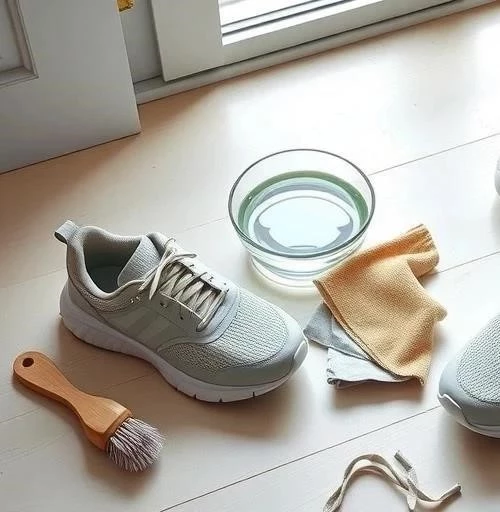
Hoka sneakers designed for wide feet can be comfortable everyday footwear, but regular care helps preserve their shape, cushioning and grip. Cleaning methods depend on the materials used in a particular model, so check the care label or Hoka’s current product guidance first. The steps below are general recommendations for routine use; they are not a substitute for model-specific instructions.
Know the materials before cleaning
Everyday sneakers may combine mesh or knit uppers, synthetic overlays, foam midsoles, rubber outsoles and removable insoles. These materials do not all respond to water, heat or cleaners in the same way. Before treating a stain, look at the shoe’s product information and test any cleaner on a small, inconspicuous area. Avoid bleach, solvents, abrasive powders and strong household detergents, which may discolor fabric or affect adhesives.
Wide versions are made to provide more room across the forefoot, but their uppers still need to retain their intended shape. Do not try to stretch the shoes with heat, force them over a rigid form, or leave them tightly packed with material. Such methods can distort the upper and create pressure points instead of improving fit.
After each day of wear
Let the sneakers air out after taking them off. Loosen the laces and open the tongue so moisture can escape from the interior. If the shoes are damp, remove the insoles when practical and dry them separately. Brush away loose dust and grit with a soft, dry brush or cloth before it settles into the fabric. A brief routine after wear is usually easier and gentler than frequent intensive washing.
Try not to leave shoes in a closed gym bag, a hot car or a damp entryway for long periods. Trapped moisture can contribute to unpleasant odors and may encourage deterioration of interior materials. If the shoes have become wet, follow the drying guidance below rather than putting them away immediately.
Cleaning the upper safely
- Remove the laces and, if removable, the insoles. Brush off loose dirt from the upper and sole.
- Mix a small amount of mild soap with cool or lukewarm water. Dampen a clean cloth or soft brush; do not soak the shoe.
- Work gently over the affected area using light strokes. For mesh or knit, avoid aggressive scrubbing, which can snag fibers or change the surface texture.
- Wipe away soap with a separate cloth lightly dampened with clean water. Blot excess moisture with a dry towel.
- Leave the shoes to air-dry fully before wearing them again or storing them.
For a small spot, clean only the affected area rather than saturating the entire upper. Do not assume that a stain remover is safe because it is intended for clothing; footwear materials, dyes and glue joints may react differently. If a mark remains after gentle cleaning, repeating the mild process is safer than increasing pressure or using a harsh product.
Care for the sole and midsole
Dirt on the rubber outsole can be removed with a soft brush and a little soapy water. Pay attention to grooves where grit may collect, but do not use a sharp tool that could cut the rubber. Wipe the area clean and let it dry. The foam midsole can usually be wiped with a damp cloth and mild soap, then blotted. Avoid scouring pads and vigorous rubbing, which may roughen or mark the surface.
Check the outsole occasionally for embedded stones, uneven wear or damage. A worn tread can reduce traction, especially on wet or smooth ground. Cleaning cannot restore tread or cushioning that has been lost through use. If the sole is separating, the upper is torn, or the shoe no longer feels stable, consider professional advice or replacement rather than relying on a home repair.
Drying without damaging the shape
Air-dry sneakers at room temperature in a well-ventilated place, away from direct sunlight and heaters. High heat can affect adhesives, synthetic fabrics and foam. Do not place Hoka shoes in a tumble dryer, on a radiator or beside a fire unless the manufacturer specifically permits that method. Drying may take longer when the interior is damp, so allow enough time before the next wear.
To help absorb moisture, loosely fill the shoes with plain, unprinted paper and replace it when it becomes wet. Do not pack the forefoot tightly: a wide-fit shoe should not be forced into a narrower shape while drying. Remove the paper once the interior feels dry. Avoid colored paper or newspaper if ink could transfer to the lining.
Keeping insoles and laces fresh
If the insoles are removable, take them out periodically to air. Clean them only according to their care instructions; when those are unavailable, use a lightly damp cloth with mild soap and let them dry completely. Do not put them back while wet, since moisture may remain trapped beneath them. If an insole has become compressed, damaged or uncomfortable, check whether a suitable replacement is available and confirm that it does not make the fit too tight.
Laces can be wiped by hand with soapy water, rinsed lightly and air-dried. If the label permits machine washing, place them in a mesh bag and wash them separately from items that may snag them. Re-lace the shoes only after the laces and eyelet area are dry. When tightening, distribute the tension evenly and avoid pulling so firmly that the upper presses across the wider forefoot.
Odor and moisture management
Odor is often associated with moisture and accumulated residue. Allow shoes to dry between wears, use clean socks, and wash or replace insoles when appropriate. A second pair worn in rotation can provide extra drying time. If you use a shoe deodorizer, follow its label and test it first; sprays or powders should not be used in a way that irritates skin or leaves a coating inside the shoe.
Do not mask persistent odor by sealing damp sneakers in a plastic bag or applying perfume. If odor continues despite thorough drying and cleaning, inspect the lining and insoles for residue or damage. People with recurring foot irritation or other symptoms may wish to seek advice from a qualified health professional rather than treating the shoes as the only possible cause.
Fit checks for wide feet
Care also includes noticing how the sneakers fit over time. The toes should have comfortable space, and the sides of the forefoot should not feel pinched during ordinary walking. Laces should secure the foot without creating pressure across the instep or squeezing the upper inward. If swelling, rubbing or numbness develops, loosen the laces and reassess the fit. Do not assume that a painful fit will improve through wear, or that stretching is a safe solution.
Try shoes with the socks and any orthotic devices normally used, ideally later in the day when feet may be slightly larger. If a model feels too narrow despite being a wide version, another size or shape may be more appropriate. Care routines cannot correct an unsuitable fit. A footwear specialist can help assess sizing, while a clinician can advise on persistent pain or foot concerns.
Storage and everyday habits
Store clean, dry sneakers in a cool, ventilated place, away from direct sun and sources of heat. Keep them loosely arranged rather than compressed under heavy objects. A shoe tree or soft paper may help maintain shape, provided it does not push the forefoot outward or place pressure on the upper. Keep shoes away from chemicals, oils and rough surfaces that could stain or abrade them.
For commuting, travel or rainy conditions, consider whether the specific model is intended for the weather and surfaces involved. Not every everyday sneaker is waterproof, and water-repellent treatments should be used only when compatible with the materials and manufacturer guidance. After exposure to mud, road salt or dirty water, remove residue promptly with a gentle method. Salt can leave marks as it dries, so a light wipe with clean water may be useful when the material allows it.
How often to clean them
There is no single schedule that suits every wearer. Lightly worn shoes may need only a quick brush and occasional spot cleaning, while daily use in dusty or wet conditions may call for more frequent attention. Clean when visible dirt builds up or residue becomes difficult to remove, rather than washing on a fixed weekly schedule. Repeated soaking and scrubbing can put unnecessary stress on fabric and adhesive connections.
A simple maintenance check every few weeks can include the upper, seams, outsole, laces and insoles. Look for fraying, cracks, loose stitching, sole separation and changes in cushioning or stability. Record when a pair enters regular rotation if it helps track use, but do not rely on a specific mileage figure alone: walking surfaces, body weight, gait and care all affect how quickly footwear wears.
Practices to avoid
- Do not machine-wash or tumble-dry the shoes unless the care instructions for that exact model allow it.
- Do not use hot water, bleach, harsh solvents, abrasive brushes or strong heat as shortcuts.
- Do not store the sneakers while wet or tightly compressed.
- Do not pull the upper outward or pack the toe box tightly in an attempt to change the width.
- Do not continue wearing shoes that cause persistent pain, instability or skin injury simply because they have been cleaned or broken in.
A practical care routine
After wear, loosen the laces, remove loose dirt and let the shoes ventilate. When cleaning is needed, use a mild solution and gentle pressure, then remove soap residue and air-dry thoroughly. Keep the insoles dry, inspect the outsole and seams, and store the pair away from heat. These modest habits help maintain a clean appearance and give the wearer a chance to notice wear or fit changes early.
Wide-fit Hoka sneakers should be cared for according to their materials and product instructions, not treated as though every model were identical. Gentle cleaning, complete drying and suitable storage are broadly useful; aggressive washing or attempts to reshape the shoe are not. If the fit becomes uncomfortable or the shoe shows significant structural wear, reassessing the size, model or need for replacement is more appropriate than expecting cleaning to restore comfort.
8 Comments. Оставить новый
The advice is practical and measured. I appreciate the focus on simple upkeep and on avoiding methods that could damage the shoes.
The cautions against heat, harsh cleaners and forceful stretching are relevant, especially for preserving the shape and materials of the shoes.
The explanation of how different shoe materials respond to cleaning products is helpful. Testing a cleaner on an inconspicuous area is sensible advice.
This is a straightforward overview of routine sneaker care. The suggestions for airing out shoes after wear are easy to follow.
I found the reminders about air-drying and removing insoles useful. The guidance is clear without making claims that apply to every shoe model.
The article makes a useful distinction between general cleaning tips and the instructions for a particular model. That qualification adds helpful context.
The article offers practical general advice on caring for wide-fit sneakers and appropriately emphasizes checking model-specific instructions before cleaning.
A helpful introduction to sneaker care, with clear reminders about moisture, storage and checking product guidance before cleaning.