
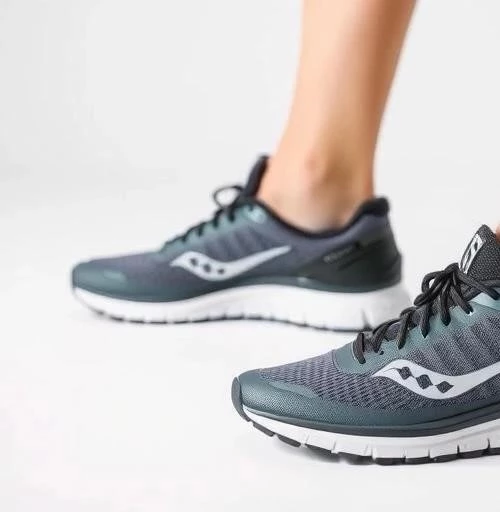
Finding a running shoe that fits a narrow foot can be difficult. A shoe may feel comfortable in length yet allow the heel to move, leave excess space around the midfoot, or let the foot slide forward. Saucony is often considered by runners seeking a relatively close fit, but the brand does not use one identical shape across every model. The best choice depends on the intended surface, preferred cushioning, running style, and the fit of the particular shoe on the wearer’s foot.
In short, Saucony Ride is a practical starting point for everyday road running, while Triumph is worth trying for a more cushioned feel. Guide may suit runners who want support, and Endorphin Speed is designed for faster training. For trails, Peregrine is a relevant option. These are starting points rather than guarantees: model versions, gender-specific designs, available widths, and individual foot shape can all affect fit.
What a narrow-foot fit should feel like
A suitable running shoe should hold the heel and midfoot securely without creating pressure, numbness, or rubbing. The toes should have enough room to spread, and the longest toe should not press against the front of the shoe. A close-fitting upper is useful only if it does not squeeze the forefoot. Narrow feet vary in width, arch, instep height, and heel shape, so a shoe that works for one runner may not work for another.
Some customer reports describe Saucony shoes as narrower or more closely fitting than familiar everyday footwear. That impression can be helpful when beginning a fitting, but it is not a reliable rule for the entire range. Upper materials and construction differ between models, and a shoe can feel secure at the heel while still being roomy at the toes. Likewise, a snug first impression is not proof that the shoe is too small.
Models to consider
Saucony Ride: a versatile first option
The Ride line is intended for regular road running and everyday training. It is a reasonable model to try if a runner wants one shoe for routine sessions on pavement, a treadmill, or park paths. Its general-purpose role makes it easier to assess whether Saucony’s shape suits the foot without first choosing a highly specialized racing or trail design.
For a narrow foot, check whether the midfoot and heel remain secure during turns and gentle acceleration. The upper should not need to be pulled excessively tight to prevent movement. If the shoe feels comfortable in length but the forefoot is too broad, try another model or a different width if one is offered. Ride versions can change over time, so fit impressions about an older release should not be treated as a complete guide to a newer one.
Saucony Triumph: cushioning for longer or easier runs
Triumph is generally positioned as a highly cushioned road-running option. It may appeal to runners who prefer a softer, more protective sensation for relaxed training or longer distances. Cushioning alone, however, does not determine fit. A soft ride cannot compensate for a heel that lifts or a midfoot that moves inside the shoe.
Try the Triumph at the pace and with the socks you expect to use. Walk, jog, and make a few turns in the store if possible. Pay attention to whether the foot remains centered on the platform. If the upper feels comfortable but slightly loose, a heel-lock lacing pattern may help; it should not be used to disguise a shoe that is substantially too wide or too long.
Saucony Guide: a supportive alternative
Guide is an option for runners looking for a supportive daily trainer. It can be included in a fitting comparison when the runner wants a more guided sensation than a neutral shoe provides. Support features do not automatically make a shoe more suitable for a narrow foot, and the model should be selected for its overall comfort and running feel rather than for a label alone.
During a test, check that the foot sits naturally on the shoe’s base and that any guidance feels unobtrusive. Discomfort, pressure along the arch, or a feeling that the foot is being pushed sideways suggests that the shape may not suit the wearer. A gait assessment can inform a choice, but it does not replace trying the shoe on.
Endorphin Speed: for faster training
Endorphin Speed is designed for quicker running and structured workouts. It may be appropriate for a runner who wants a more responsive shoe for tempo sessions or intervals, rather than a single model intended to cover every run. Its geometry and ride can feel different from those of a conventional daily trainer, so fit should be assessed at more than walking pace.
Runners with narrow feet should confirm that the upper holds the foot securely as the pace increases. The shoe should not create sliding at the heel or pressure across the toes. A performance-oriented model is not automatically the best everyday choice; comfort, training needs, and stability at the runner’s usual pace matter more than the model’s category.
Peregrine: for trails
Peregrine is a trail-running line and is more relevant to dirt paths and uneven terrain than to an exclusively road-based routine. Trail shoes need to keep the foot stable when the surface changes, while still leaving enough space for the toes. A close fit can be valuable on descents, but a shoe that is too short or tight may become uncomfortable as the foot moves during a run.
For mixed surfaces, a model such as Ride 15 TR has also been described as suitable for road, gravel, and light trails. It can be considered when a runner wants a transition between pavement and uncomplicated paths, rather than a shoe for demanding off-road conditions. Verify the exact version and intended use before purchasing, since product specifications vary by release.
How to get the size and width right
- Measure both feet. Measure them while standing, preferably later in the day. Use the larger foot as the reference and compare the result with the size chart for the specific model and region.
- Check length as well as width. Leave comfortable space in front of the toes, but avoid sizing up automatically to solve excess width. A shoe that is too long may allow the foot to slide.
- Try the intended socks. Sock thickness changes the fit. Lace the shoe evenly, then walk and jog if the retailer permits.
- Test heel and midfoot hold. Look for lifting, side-to-side movement, or pressure. A secure fit should not depend on painfully tight lacing.
- Check return conditions. When buying online, confirm the seller’s exchange policy and try the shoes indoors on a clean surface.
Men’s and women’s versions may differ in more than color or size range, and the width offered can vary by market and release. Do not assume that every women’s model is narrow or that every men’s model is wide. Some versions may be available in multiple widths, while others may not be. Check the manufacturer’s current product information and retailer listing rather than relying on a general description of the brand;
Common fitting mistakes
- Choosing a size only by everyday shoes. Casual footwear and running shoes can use different lasts and sizing conventions. Start with a measurement and confirm the fit on foot.
- Buying a larger size to gain width. Extra length can cause slipping and may not solve a broad toe box. Try another shape or a wider/narrower width when available.
- Assuming all Saucony models fit alike. Ride, Triumph, Guide, Endorphin Speed, and Peregrine serve different purposes and may feel different on the same foot.
- Confusing a snug fit with a painful one. Secure contact is desirable; pinching, numbness, persistent rubbing, or toe compression is not.
Which one should you try first?
For a narrow-footed runner looking for a general road shoe, start by comparing Ride with the current version of Triumph. Choose Ride if its fit and ride suit everyday training; choose Triumph if its cushioning feels preferable and the foot remains well held. Add Guide to the comparison if a supportive sensation is a priority, and consider Endorphin Speed for faster sessions. For regular trail running, assess Peregrine; for pavement and light gravel, a road-to-trail version may be more appropriate.
No model can be identified as universally best for a narrow foot without a fitting. The most dependable choice is the shoe that holds the heel and midfoot, allows natural toe movement, and feels comfortable at the intended pace and on the intended surface. Saucony’s close-fitting reputation may make its range a useful place to begin, but the fit of the specific model and version should decide the purchase.
1 Comment. Оставить новый
The article offers a useful overview of Saucony models to consider for narrower feet and appropriately notes that fit varies by model and individual foot shape. Its practical fit guidance helps keep the recommendations in perspective.