
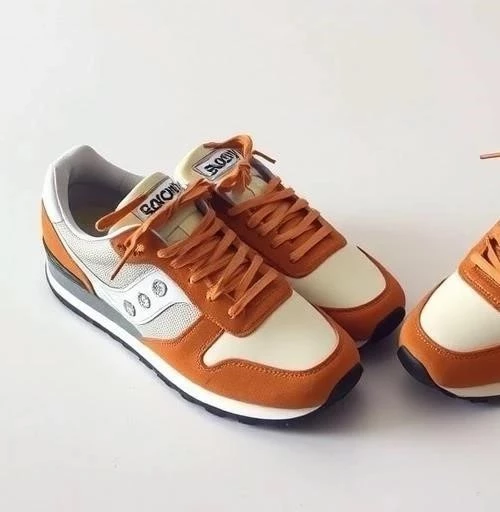
Choosing Saucony shoes for a wide foot is not simply a matter of finding the roomiest-looking model. There is a more important question to settle first: do you want a shoe for skateboarding‚ or a comfortable sneaker to wear casually around a skatepark? Saucony is best known for running and lifestyle footwear‚ and the information available here does not identify a dedicated Saucony skateboarding line. That distinction matters. A running shoe may feel excellent while walking or jogging‚ yet still be a poor choice for board control‚ grip‚ and the repeated abrasion of skating.
The most promising starting point in the supplied fit information is the Saucony Triumph 23: it is described as true to size‚ roomy‚ and available in a wide option. The Kinvara‚ by contrast‚ is reported to run half a size small and to have a tapered toe box. Those differences make the models useful opposites in a comparison. Other names—Ride‚ Peregrine‚ Jazz‚ and Endorphin Speed—may also come up while shopping‚ but they should not be assumed to fit a wide foot equally well or to be designed for skateboarding. The sensible verdict is conditional: Triumph 23 looks like the strongest Saucony candidate for general comfort‚ while none of these models should be mistaken for a purpose-built skate shoe without checking its construction and intended use.
What “wide” means in practice
A shoe can feel tight for more than one reason. Some wearers need extra width through the forefoot; others need a taller toe box‚ a broader midfoot‚ or simply more room because their toes spread under pressure. A shoe that is longer may ease crowding‚ but sizing up can also leave excess length at the front and allow the foot to slide. That is especially undesirable on a skateboard‚ where secure placement and predictable contact with the deck matter. A genuine wide-width version is usually a better first test than buying a standard shoe much longer.
Fit reports are useful clues‚ not guarantees. Feet differ‚ and a model’s upper materials‚ lacing‚ sock thickness‚ and individual shape all affect the result. Saucony may also revise a shoe between generations or offer different widths in different markets. Therefore‚ treat “true to size” as a starting point‚ not a promise. If possible‚ try the exact model and version you intend to buy‚ preferably later in the day when feet may be slightly more expanded. Check that the toes can spread without pressing the sides of the shoe‚ that the heel does not lift excessively‚ and that tightening the laces does not create pressure across the instep.
Model-by-model comparison
Saucony Triumph 23: the clearest comfort-first option
Among the models named in the supplied information‚ Triumph 23 has the strongest stated case for a wide foot: it is described as fitting true to size‚ having a spacious last‚ and being offered in a Wide width. That combination is more persuasive than relying on a general impression that a shoe “looks roomy.” For everyday walking‚ travel‚ or long periods on your feet‚ a model designed around comfort is a logical place to begin‚ particularly if standard-width shoes usually squeeze your forefoot.
There is an important qualification for skating. A roomy running shoe is not automatically a good skate shoe. The Triumph should be assessed for its actual sole shape‚ cushioning‚ flexibility‚ and upper durability before being used on a board. A highly cushioned running design can feel comfortable underfoot but may provide a less direct connection to the deck than a flatter‚ more skate-oriented shoe. Its extra comfort can be an advantage for walking to the park‚ but that does not prove it will deliver the board feel or abrasion resistance a skater needs. If you skate occasionally and prioritize all-day comfort‚ it may be worth trying; if you skate hard or frequently‚ seek a purpose-built skate model first.
Saucony Kinvara: light‚ but a risky fit for broad forefeet
The Kinvara is reported to run about half a size small and to have a tapered toe. Those two details make it a less convincing choice for a wide foot‚ particularly for anyone whose toes need space to spread. Going up half a size may compensate for the short fit‚ but it does not necessarily make the forefoot wider. It may instead add unwanted length‚ so a larger size should be tested rather than assumed to solve the problem.
For a skater‚ a close fit can sound appealing because it may reduce movement inside the shoe. Yet close-fitting is not the same as secure. If the sides compress the foot or the toes are forced together‚ the shoe is a poor match‚ even if the heel feels locked down. The Kinvara may suit a wearer with a narrow or average forefoot who likes its running fit‚ but the reported taper is a specific warning for wide-footed shoppers. Unless the particular version has a wide option that fits comfortably‚ it should rank below the Triumph 23 for fit confidence.
Saucony Ride: a sensible try-on‚ not a guaranteed wide fit
The Ride is identified as a running shoe‚ but the supplied information does not give a reliable width assessment for it. That means it would be misleading to call it roomy‚ narrow‚ or an automatic alternative to Triumph. If a Ride model is on your shortlist‚ check whether that exact generation is sold in a wide width and try it on. A model name alone cannot settle the question: changes from one generation to another may alter the upper‚ the shape‚ and the way the shoe holds the foot.
For casual wear‚ Ride could be worth considering if its fit works for you and you prefer a more everyday running-shoe profile. For skateboarding‚ apply the same caution as with Triumph and Kinvara. Confirm that the shoe gives the grip‚ board feel‚ and durability you need; running suitability is not evidence of skate suitability. Without model-specific fit evidence‚ Ride belongs in the “try before buying” category rather than at the top of a wide-foot ranking.
Saucony Peregrine: trail purpose does not settle width
Peregrine is described as a trail-running model. That points to a different intended activity from street skating‚ but it does not tell us whether a given version will accommodate a broad forefoot. Trail shoes can have design features aimed at holding the foot securely on uneven ground; whether that translates into comfort for a particular wide foot must be established by trying the shoe. Do not assume that ruggedness or a secure fit automatically means extra width.
Its trail purpose also makes it an uncertain choice for skating. A tread pattern intended for trails may not behave like the flat‚ predictable contact a skateboarder wants‚ and the shoe’s durability against board abrasion should not be taken for granted. Peregrine may make sense for its intended outdoor use‚ but it is not a substitute for a skate shoe simply because it looks sturdy.
Saucony Jazz and Endorphin Speed: different reasons to be cautious
Jazz is mentioned as a casual model‚ while Endorphin Speed is a performance-oriented running shoe in the supplied material. Neither reference establishes that the model is available in a suitable wide fit or works well on a skateboard. Jazz may appeal to shoppers looking for everyday style‚ but the fit should still be tested at the forefoot rather than inferred from its category. Endorphin Speed may attract runners seeking a fast shoe; that purpose does not make it an obvious choice for skating‚ where cushioning‚ sole shape‚ and board contact have different priorities.
For both models‚ the responsible recommendation is the same: verify the exact version and width‚ inspect the fit on your own foot‚ and judge skate performance separately from walking comfort. In particular‚ avoid buying an expensive performance shoe for skating based only on its reputation as a high-quality running shoe. Quality in one activity does not guarantee suitability in another.
How to rank the options
- For a wide foot and everyday comfort: start with Triumph 23 in its Wide version‚ if available in your market. Its reported true-to-size fit and roomy last provide the clearest evidence in this comparison.
- For a narrow or average forefoot: Kinvara may be worth trying‚ but account for the reported half-size-short fit and tapered toe. Do not size up automatically without checking heel hold and overall length.
- For Ride or Jazz: treat them as possibilities‚ not confirmed wide-foot recommendations. Look for a wide option and test the fit of the exact generation.
- For Peregrine or Endorphin Speed: choose them for their intended running or trail use only if they suit your needs. Their names and technical character do not establish that they are good skate shoes.
- For regular or technical skateboarding: compare dedicated skate footwear first. Saucony running and lifestyle shoes should be considered only if their construction genuinely meets your requirements.
What to check before using any pair on a skateboard
Fit is only one part of the decision. A skateboard shoe needs to work with the board‚ not merely feel soft while standing in a shop. Consider whether the outsole gives consistent grip‚ whether the sole feels too high or soft for the control you want‚ and whether the upper is likely to tolerate repeated friction. These are practical checks‚ not claims that any particular Saucony model has failed them. The supplied fit notes do not establish skate-specific testing‚ so a buyer should not infer skate durability or board feel from running reviews.
Try the shoe with the socks you normally skate in. Lace it firmly enough to hold the heel without pulling the sides together until they press into the foot. Stand‚ walk‚ bend your knees‚ and mimic the stance you use on a board. The forefoot should not feel pinched‚ and the toes should not strike the front when you shift forward. If the shoe only feels acceptable when loosely laced or when you ignore pressure on the outer toes‚ it is probably not the right width. Comfort during a brief fitting is not a full test‚ but obvious pressure is a sound reason to reject a pair.
Final verdict
For wide-footed shoppers looking within Saucony‚ Triumph 23 is the best-supported starting point because the available fit information specifically describes a roomy fit and a Wide option. Kinvara is the least promising of the named choices for a broad forefoot because it is reported to run short and taper at the toe. Ride and Jazz may be reasonable try-ons‚ but there is not enough width information here to rank them confidently; Peregrine and Endorphin Speed should be judged according to their running purposes‚ not presumed to be skate models.
The central argument is that two decisions must be made separately. First‚ find a Saucony that accommodates your foot without relying on excess length. Second‚ decide whether that shoe is actually appropriate for the way you skate. If your priority is comfortable everyday wear‚ a wide Triumph 23 is the most logical first test. If you need a shoe for frequent skating‚ grip‚ board feel‚ and resistance to abrasion matter as much as width‚ and a dedicated skate shoe is usually the more defensible choice. In either case‚ buy the exact version that fits your foot—not a model name or size recommendation in isolation.
9 Comments. Оставить новый
The balanced conclusion is convincing: the Triumph 23 may be a promising comfort choice, but it should not be treated as a dedicated skate shoe without further evidence.
The advice not to size up automatically makes sense. Extra length can create movement inside the shoe, which may be uncomfortable and less secure on a skateboard.
The distinction between a running shoe and a skate shoe is important. A roomy fit may improve comfort, but it does not automatically provide the grip and durability needed for skating.
A good reminder that model names alone do not establish whether a shoe is suitable for skating. Construction and intended use deserve as much attention as fit.
I appreciate the practical comparison between the Triumph 23 and Kinvara. Fit descriptions can vary by person, but the wide option and tapered-toe warning are helpful starting points.
This is a useful, cautious answer rather than an unsupported claim that one model is ideal for every wide foot. Trying the actual shoe remains essential.
It is helpful that the article separates casual comfort from skateboarding performance. Readers can choose more confidently once they know which use matters most.
The Triumph 23 sounds like a reasonable model to investigate for everyday comfort, especially with a wide-width option. I would still check the fit in person before deciding.
The article clearly explains that width, toe-box height, and overall shape are different fit concerns. That makes the sizing advice more useful than simply recommending a longer size.