
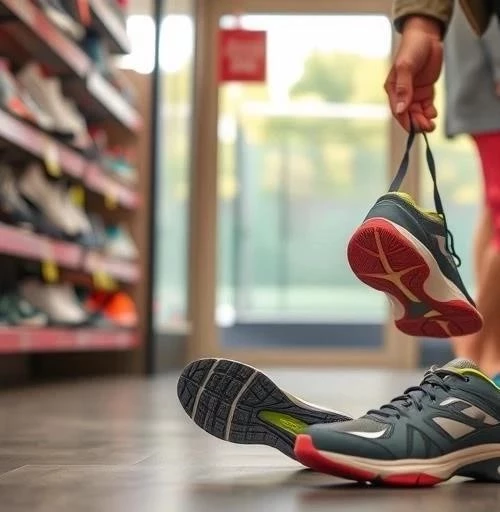
A pair of tennis shoes can look like a bargain on a screen and feel like a small, expensive disaster by the second set․ Under €100, the challenge is not simply to find the lowest price․ It is to find a shoe that suits your court, your feet, and the way you move—without paying for features you will never use․ Think of the purchase as a match: the price is only the opening serve․ Here are the mistakes that can turn a promising deal into a blister, a slip, or a very short-lived pair of shoes․
Buying “sports shoes” instead of tennis shoes
The first mistake is assuming that a running shoe, gym trainer, or all-purpose sneaker will do the job․ Tennis asks for sudden stops, side-to-side shuffles, pivots, and explosive changes of direction․ Running shoes are designed mainly for forward motion; many have taller, softer cushioning that can feel unstable when you push laterally․ A casual trainer may lack the structure and durable outsole needed for repeated court movement․
Look for a model specifically designed for tennis, or for a clearly stated court sport․ Check the product description and sole rather than trusting a sporty-looking upper․ If you play only occasionally, a basic tennis model may be entirely adequate․ “Basic,” however, should still mean built for the movements you actually make․
Choosing the wrong outsole for your court
A sole is not just a black or coloured finishing touch: it is your shoe’s conversation with the surface․ Clay, grass, and hard courts reward different tread designs․ Clay-court shoes commonly use a patterned sole that helps grip and release clay, while hard-court models often have a more robust tread made for abrasive surfaces․ Grass shoes may use a different, more suitable pattern again․ Exact designs vary, so check the manufacturer’s surface guidance․
Buying the wrong type can mean poor traction, awkward movement, or faster wear․ Before ordering, ask what you play on most often—not what you played on once during a holiday․ If you use several surfaces, choose for your regular court and read the brand’s advice about occasional use elsewhere․ Court rules also matter: some clubs restrict particular soles, especially on delicate surfaces․
Treating “under €100” as a quality label
A low price tells you what something costs today, not how long it will last or whether it fits․ The €99 shoe is not automatically better than the €69 shoe, and a €49 deal is not automatically a bargain․ Compare the whole package: outsole durability, upper reinforcement, cushioning, fit options, return terms, and whether the model is intended for your level and court․
Sale prices can be excellent, especially when a previous-season model suits you․ But don’t let a discount percentage make the decision for you; A shoe reduced from €140 to €90 is still the wrong purchase if it pinches your toes․ Set a maximum budget, then compare suitable options inside it․ Leave a little room for socks or an insole if you already know you need them; don’t assume every “extra” will solve a fit problem․
Trusting the size on the box more than your feet
Sizes are not perfectly consistent between brands, and even different models from one brand can feel different․ Ordering your usual size without checking the return policy is a gamble disguised as routine․ Measure both feet while standing, preferably later in the day, when feet may be slightly larger․ Use the brand’s size chart as a starting point, then read fit notes and reviews for clues about length and width;
When trying the shoes, wear the socks you normally use for tennis․ Your toes should have comfortable room at the front, but your foot should not slide around․ The heel should feel secure without painful rubbing․ Walk, bend your knees, and make gentle side steps if the shop permits․ Don’t buy a shoe that “will stretch into comfort” if it already presses painfully in a key spot․ Your feet are not a shoe-breaking machine․
Ignoring width, shape, and foot volume
Length is only one dimension․ A shoe can be long enough and still squeeze the forefoot, press on a bunion, or leave too much room over the instep․ Some brands and models suit narrow feet better; others offer a wider fit or more forgiving upper․ These are tendencies, not guarantees, so use measurements and a real try-on whenever possible․
Pay attention to how the shoe holds your foot during a sideways movement․ You want support, not a clamp․ If your foot spills over the edge of the midsole, or if tightening the laces is the only way to stop your heel lifting, the shape may be wrong for you․ Trying a different model can help more than changing size․ Persistent pain, unusual foot shape, or a medical concern deserves advice from a qualified professional rather than a guess based on online comments․
Shopping by colour, brand, or famous-player association
Bright colours photograph beautifully․ A professional athlete’s signature shoe can look like a shortcut to championship footwork․ Neither tells you whether the shoe fits your foot, matches your court, or falls within your budget․ High-profile models may be heavier, stiffer, or built around preferences that make sense for that player—not necessarily for a recreational beginner․
Start with practical filters: surface, fit, stability, comfort, and price․ Then choose the colour you like․ Brand loyalty can help you identify familiar sizing, but it should not overrule a bad fit․ If a pair feels wrong in the shop, a logo cannot coach it into feeling right․
Confusing cushioning with protection
Soft cushioning feels lovely when you first stand on it, but court comfort is more than a plush sensation․ You also need a stable platform for quick cuts and landings․ A very soft or high sole may feel less secure to some players, while a firmer shoe may feel harsh to others․ There is no universal “best” amount of cushioning; body size, playing style, preferences, and fit all matter․
Try the shoe in motion if possible․ Does it feel controlled when you stop? Does the heel stay settled? Is the forefoot comfortable when you push off? Do not mistake a cushioned insole for a complete solution to an unstable fit․ If you use custom orthotics or have a specific support requirement, check whether the shoe accommodates them and seek professional guidance where appropriate․
Forgetting that the upper and outsole have different jobs
The upper wraps and stabilises your foot; the outsole meets the court; A mesh upper may feel breathable, but a highly exposed mesh area can wear quickly if your toes drag during slides․ Reinforced zones can help protect high-wear areas, though more reinforcement may add weight or reduce flexibility․ A sturdy-looking upper is not proof of durability, either: stitching, overlays, materials, and construction all matter․
Look at where your own shoes usually wear out․ If the inside of the toe is scuffed, toe protection may matter more than extra cushioning․ If the outsole wears down quickly, inspect the tread and ask whether the model is made for your court․ Reviews from players with similar habits can be informative, but one person’s “indestructible” shoe may meet a very different playing schedule․
Buying online without a return plan
Online shopping opens up more models and prices, but a product photo cannot tell you how the heel feels after ten minutes․ Before clicking “buy,” check who pays for return postage, how long you have to send the shoes back, and whether the seller accepts shoes tried indoors․ Keep the box and packaging until you are sure․ Try them on a clean, dry indoor floor first; outdoor scuffs may make a return impossible․
Be cautious with vague listings, missing model names, unclear sizing, and sellers whose return terms are hard to find․ A suspiciously low price is not a victory if the product is counterfeit or the seller disappears when the fit is wrong․ Buy from a retailer with clear contact details and transparent policies․ A reliable return route is part of the value, not a boring footnote․
Reading reviews as if they were a scientific verdict
Reviews can reveal useful patterns—“runs narrow,” “wears quickly on hard courts,” or “feels stiff at first”—but they are not a substitute for your own fit test․ One reviewer may play twice a year; another may train daily․ Someone who loves a narrow fit may describe your perfect shoe as painfully tight․ Look for repeated comments, note the reviewer’s court surface and usage if stated, and give more weight to detailed experiences than to a row of unexplained stars․
Also distinguish comfort on day one from durability after months of play․ A review written after one indoor try-on cannot predict how the outsole will handle regular hard-court sessions․ Use reviews to form questions, then check those questions against the product details and your own needs․
Overlooking the break-in period—and using it as an excuse
Some new shoes feel firmer than a well-worn pair, and a short, gentle adjustment period can be normal․ But “break them in” should not mean tolerating sharp pain, numbness, major pressure, or repeated blisters․ Wear the shoes indoors for short periods before a long match․ Check for hotspots afterward and adjust your lacing if needed․ If discomfort persists, stop and reassess the fit․
Do not debut unfamiliar shoes in a tournament final, a long match, or the first session after a long break․ That is a fine moment for drama, but a poor one for experimenting with footwear․ Your first court outing should be short enough that you can notice how the shoes behave without turning a small problem into a larger one․
Buying for an imaginary future player
It is tempting to buy for the athlete you plan to become: the one training five times a week, sliding across every surface, and never missing a session․ But a sensible purchase should match your actual playing pattern․ A casual player may not need the most expensive, heavily reinforced model․ A frequent player may wear through a budget shoe quickly, making a slightly more durable option better value over time․
Estimate how often you play, where you play, and what movements you make․ If you mostly rally gently on a single surface, say so in your own mental shopping checklist․ If you sprint, stop hard, or drag a toe, put more emphasis on support and wear protection․ The right shoe is not the most impressive one; it is the one that works for the tennis you really play․
A simple pre-purchase checklist
- Surface: Is the outsole appropriate for the court you use most?
- Fit: Have you checked length, width, heel hold, and toe room?
- Movement: Does the shoe feel stable during gentle side steps and stops?
- Use: Does its construction make sense for how often and how intensely you play?
- Budget: Is the price comfortable, including any likely delivery or return costs?
- Returns: Can you try the shoes safely and send them back if the fit is wrong?
The winning purchase
Under €100, the smartest tennis shoe is rarely the one with the loudest sale sticker․ It is the one that fits securely, feels comfortable in movement, suits your regular court, and offers credible construction for your playing habits․ Compare models, try them with your tennis socks, and treat return terms as part of the deal․ Most importantly, let your feet cast the deciding vote․ A good bargain should help you focus on the next ball—not on the shoe that is pinching, slipping, or quietly plotting its escape․
7 Comments. Оставить новый
The “opening serve” metaphor makes shoe shopping feel less like a hunt for discounts and more like choosing the right partner for the court. A bargain that can’t handle a sideways sprint isn’t much of a bargain.
I like that this focuses on how people actually move, not just the price tag. Tennis shoes have a job description, and apparently “looks athletic” is not listed under qualifications.
I appreciated the reminder that sporty-looking and court-ready are not twins. My running shoes have excellent forward ambitions; unfortunately, tennis keeps asking them to move sideways.
A very practical guide with a vivid point: the wrong shoe can turn a promising match into a negotiation with your blister. I’ll be checking the sole before the colour next time.
Clear, useful advice that gives the humble outsole its moment in the spotlight. It’s a good reminder that a shoe’s first impression may be the upper, but its real conversation happens with the court.
The outsole section is a useful little lesson in surface diplomacy. Clay, grass, and hard courts each speak a different language, and the sole is the interpreter.
This makes the under-€100 search feel manageable without pretending every player needs a high-tech shoe. The best feature is still the one that fits your game—and your feet.