A modern seasonal-home boiler room is designed not only to provide heat, but also to protect the building when nobody is there. The best solution depends on climate, fuel access, insulation and how often the owners visit. Careful planning makes autonomous heating safer and more economical than choosing a boiler by price alone.
Choosing the heat source
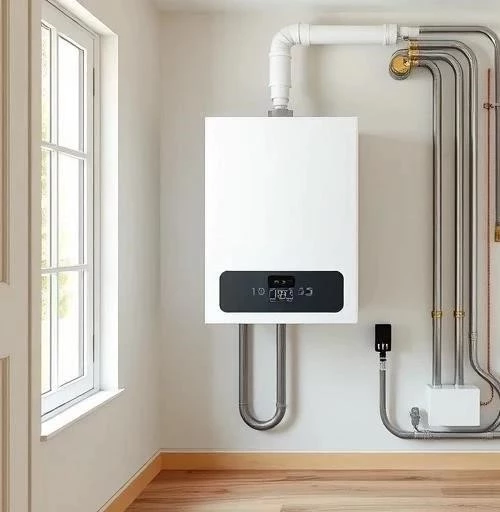
For a boiler room in a country house, a gas boiler is convenient where a reliable gas connection exists, but gas safety and regular servicing are essential. An electric boiler is compact and simple to automate, though running costs and grid capacity matter. A solid-fuel boiler can suit sites without gas, while a pellet boiler offers more consistent, automated fuel delivery. A combi boiler provides flexibility, and a heat pump can reduce energy use in a well-insulated home. The right cottage boiler is therefore a practical choice, not a universal one.
Smart control and winter readiness
Seasonal-home heating increasingly uses remote boiler control and heating automation. A temperature sensor and thermostat can maintain a seasonal heating mode: lower the temperature during absences, then warm rooms before arrival. A smart boiler room can send alerts about faults or low temperatures. However, remote access is not a substitute for reliable equipment or backup power; a prolonged outage can still threaten pipes.
For winter heating of a country house, plan freeze protection from the start. An anti-freeze mode helps keep the system above a safe minimum, but its operation depends on electricity and the boiler remaining functional. Insulate vulnerable pipes and improve home insulation to reduce heat loss. If the building will be empty for a long period, professional preservation of the heating system may be safer than relying on controls alone. After downtime, inspect the system and arrange a careful restart before raising the temperature.
Distribution, installation and safety
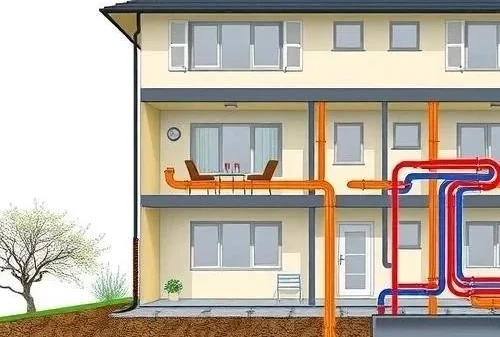
A hydronic heating system may combine radiators with underfloor heating, balancing comfort and quick response. Proper boiler-room installation also requires a suitable chimney for combustion appliances and adequate boiler-room ventilation. These details affect both efficiency and safety; they should be designed to meet local requirements, not improvised on site.
Energy efficiency in the boiler room comes from matching boiler output to heat demand, insulating pipes, and choosing controls that avoid unnecessary operation. Economical heating is a whole-house result: equipment cannot compensate for poor insulation or incorrect settings. Include maintenance of heating equipment in the annual plan, especially before the cold season. When selecting a boiler for seasonal residence, compare installation costs, fuel availability, service access and protection during outages. A well-designed system is reliable, easy to monitor and ready when the house is.