
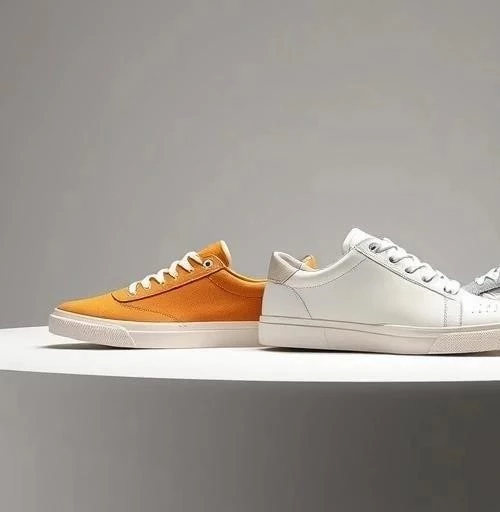
Under Armour’s story began in 1996 with a shirt built to stay dry; footwear arrived later, and skateboarding offers the brand a new chapter. In skate culture, its name now rolls toward the curb—not as borrowed nostalgia, but as a fresh athletic voice imagining where the next story starts. Roots shape every ride.
From Athletic Footwear to Skate Shoes: How Construction Details, Upper Materials, Cushioning, and Durability Shape the Story
Under Armour entered footwear carrying an athlete’s vocabulary: movement measured, materials tested, performance treated as a design problem. Skateboarding adds a different punctuation mark. Here, a shoe meets repeated impact, rough concrete, and the sudden, sideways language of a trick. The transition is not simply a new label on an old product; it asks athletic engineering to learn the rhythm of the street.
Imagine the design bench as a tiny theater. A reinforced toe is the hard-working understudy, taking the scrape before the main character does. Stitching becomes a map of stress, while layered panels can protect vulnerable zones without turning the whole upper into armor. Suede suggests a familiar skate-era texture; woven synthetics can bring lighter weight and a more technical look. Each material changes the shoe’s voice, and each seam decides how long that voice lasts.
Cushioning tells another part of the story. In running shoes, foam often serves a long, forward journey; in skate footwear, it must respond to abrupt landings and many short bursts of motion. Too little can make impact feel like a blunt sentence. Too much may blur the board’s quick conversation with the foot. Designers therefore balance protection with a readable, lively sensation—an engineering choice, not merely a plushness contest.
Durability is the quiet plot twist. Abrasion can expose weak construction quickly, so material placement, bonding, and reinforcement matter as much as a bold silhouette. Under Armour’s athletic heritage offers a toolbox, but skateboarding supplies its own examination: every session edits the design. The most convincing shoe is not one that promises immortality; it is one whose upper, padding, and carefully joined parts keep their purpose as the story gets rough.
Built for Narrow Feet: The Narrow Last, Anatomical Fit, Lacing, Snug Foot Lockdown, and Heel Support
An athletic brand approaching skateboarding has to listen before it tightens a lace. For a narrow-footed rider, the question is not whether a shoe looks fast, but whether its shape lets the foot feel known. Under Armour’s footwear story grew from performance thinking; translated to a skate context, that legacy invites a more precise conversation about fit, not proof that each model was made for slim feet.
A narrow last is the hidden blueprint: it can reduce excess volume through the midfoot and bring the shoe’s outline closer to a slim foot. Anatomical fit means more than squeezing the sides. The heel, arch area, and forefoot need to sit in relation, so the foot is held without a pinched little toe. That distinction matters: snug should feel like a steady handshake, never a clamp.
Lacing can fine-tune the handshake. Eyelets let a rider adjust tension in zones, drawing the upper toward the instep while leaving room where pressure would distract. A secure lace pattern helps limit unwanted movement inside the shoe; it cannot turn a broad shape into a narrow one, so the underlying last still matters. For narrow feet, this is the clever part of fit: small changes, not heroic knot-tying.
Supportive heel structure helps the foot stay centered through rapid turns of direction. A heel cup can keep contact calm. Think of the fit as a pocket tailored for motion: enough hold to keep the rider connected, enough freedom to let toes work. In Under Armour’s evolving footwear narrative, narrow-foot comfort is best judged on the foot itself, each lace, slowly.
Where Rubber Meets the Board: Flat Soles, Board Grip, and Riding Comfort at the Skatepark and on the Street
A flat sole is a small, quiet stage: it gives the board a broad meeting place, where pressure can travel without a dramatic rise or dip. For a skater, that low profile turns tiny shifts into readable signals—an edge, a pivot, a landing. Under Armour’s skate-facing story meets its test here, not in a slogan, but in the instant rubber touches wood.
Grip is not a magic spell cast by a logo. It comes from rubber compound, tread geometry, and the way the sole meets the deck. A pattern with purposeful contact can help the shoe hold during a quick adjustment, while an overly busy surface may feel like static between rider and board. The useful sensation is clear, not sticky for its own sake.
On a city sidewalk, the same contact has a different soundtrack: seams, smooth stone, and patched concrete each send a distinct note upward. Riding comfort is therefore not silence; it is a useful kind of translation. A sole that bends with the foot and keeps its platform composed can make a long roll feel less like a drum solo and more like a steady bass line. At dusk, that quiet rhythm matters.
That is the overlooked poetry of board contact: grip should feel like a conversation, not glue. On a ledge or a cracked block, the rider needs the sole to register pressure without stealing attention from the line. Under Armour’s skate-facing identity can be read in this tiny exchange: athletic intent meets street improvisation, and the board becomes a sentence written in rubber. The best ending is simple—the next push. Skate on.
Finding the Right Fit: Using the Size Chart to Choose a Size for Skating and Everyday Wear
Choosing a size begins with a quiet measurement, not a guess based on the number stamped inside an old pair. Stand on paper late in the day, when feet may be slightly fuller, and trace both outlines. Measure from heel to the longest toe; use the longer foot as your reference. In the size chart, compare that length with the brand’s stated measurement, rather than assuming every label follows the same rules.
Think of the chart as a map, not a promise. Under Armour sizing can vary by model and by the shape of a particular foot, so check the specific listing whenever possible. If your measurement falls between entries, read the product guidance and reviews before choosing. A familiar size in another brand is a useful clue, but not a passport that guarantees the same destination.
For skating, try shoes with the socks you expect to wear, and test them later in the day. Walk, bend your knees, and notice whether your toes have room when you crouch; The fit should feel settled from the first try, not depend on wishful thinking or a painful break-in. If ordering online, keep the packaging intact until you have checked both shoes indoors.
Everyday wear changes the equation slightly: a little extra ease may feel pleasant on a long walk, while too much space can become distracting over time. Don’t choose a size solely to imitate a roomy streetwear look, or size down simply because a chart seems unfamiliar. Compare your measurements, the model’s notes, and your own comfort; let evidence, rather than nostalgia, make the call.
Here’s a useful ritual: record each foot’s length, the date, and the size that felt right in a particular model. Your own tiny fit archive becomes more reliable with every purchase. A number on a label is only a shorthand; the real answer is how the shoe feels during an ordinary day and after a few hours out. Choose calmly, then let the calendar—not the checkout clock—confirm the decision.
A New Chapter in Skate Culture: Comparing Models and Asking Whether Under Armour Sneakers Belong in Skateboarding
Skate culture does not issue membership cards; it listens for curiosity, respect, and a willingness to learn. An unfamiliar logo can enter the scene without rewriting its history: the board community decides what earns a place, session by session. That makes Under Armour an intriguing newcomer, not an automatic outsider or a guaranteed classic.
Compare models by their intended role and design language, then ask what kind of skating they invite, rather than crowning a winner from a photograph. One rider may value a familiar athletic identity; another may want a label born inside skateboarding, with team roots and a long archive of shared stories. Neither instinct is wrong; each points to a different chapter in the culture’s evolving scrapbook.
A new brand earns credibility less through declarations than through listening: supporting local scenes, respecting the craft, and letting skaters tell the truth after the cameras leave. That test is beautifully ordinary: show up, share space, celebrate another person’s landing, and keep the spot welcoming for whoever rolls in next.
If Under Armour models find their audience, belonging will be built in those small exchanges, not granted by a marketing slogan. The answer, then, is not a verdict from a catalog; it is a living question, answered in parks, streets, and the next generation’s imagination. Belonging grows when skaters listen, share and leave room for new voices.
6 Comments. Оставить новый
A compelling reminder that durability is not merely about lasting longer—it shapes how confidently a shoe can enter a culture. The article leaves me curious to see what those engineering choices look like on an actual board.
The strongest idea here is that a skate shoe must protect without silencing the board. That balance—armor on the outside, conversation underfoot—is a memorable way to frame performance design.
A thoughtful bridge between two kinds of motion: the long forward sentence of a run and skateboarding’s quick, sharp punctuation. That distinction makes the design challenge feel vivid and real.
I enjoyed the refusal to treat brand heritage as a shortcut. Athletic engineering can bring useful tools, but the street still gets the final vote; that’s a refreshing angle on a product transition.
The image of a shoe as a “tiny theater” turns construction into storytelling. I especially like how the article makes seams and materials feel like characters with jobs, not just items on a spec sheet.
This reads like a designer’s field notebook with a poet hiding in the margins. The details about abrasion, reinforcement, and cushioning give the imaginative language a solid grip.