
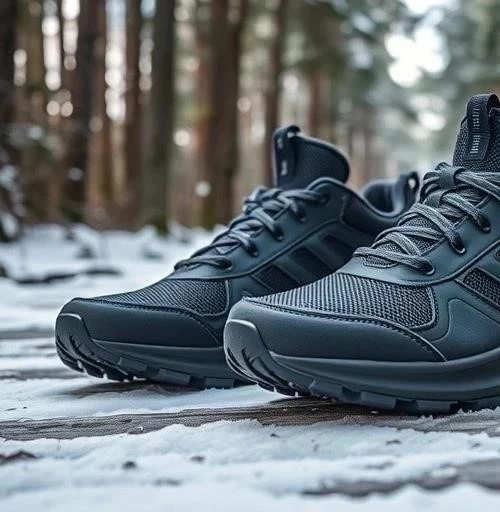
Finding winter sneakers that fit a wide foot involves more than choosing a larger size. The shoe needs enough room across the forefoot, a secure heel, and materials suited to cold, wet conditions. New Balance is often considered by shoppers who need a choice of width fittings, but availability and construction vary between models and markets. A familiar everyday sneaker is not automatically a winter shoe: insulation, water resistance, outsole grip, and fit should all be checked for the specific version being considered.
What “wide” means in New Balance sizing
New Balance offers selected models in multiple widths. In many of its ranges, 2E is a wide option for men and 4E is an extra-wide option; women’s width labels may differ, and a 2E option is sometimes offered as a wide fit. These conventions are not universal across every product or country. Check the width chart and product listing for the exact shoe rather than relying on the model name alone. A standard-width version and a wide-width version of the same model may fit quite differently.
Width is only one part of fit. Foot volume, instep height, toe shape, and the thickness of winter socks can also affect comfort. A shoe that feels roomy when tried on with thin socks may become restrictive in cold weather. Conversely, buying a substantially longer size to gain width can leave the heel loose and make walking less stable. If possible, try the intended size and width with the socks you expect to wear.
Winter features to look for
Upper materials and weather protection
For regular use in cold, damp conditions, look for a product description that clearly identifies a water-resistant treatment, membrane, or other weather-protective construction. A leather or synthetic upper can be easier to wipe clean than a lightweight mesh upper, but material alone does not prove that a shoe is waterproof. Seams, the tongue, and the way the upper joins the sole can all allow moisture in. Water resistance may also decline with wear, and no low-cut sneaker should be assumed to protect against deep snow or water above its opening.
Warmth depends on more than the outer material. Some winter-oriented shoes include a lining or additional insulation, while others are simply made with sturdier materials than a summer trainer. Check the description and interior rather than assuming that a dark colour or rugged appearance means the shoe is insulated. If a shoe has a membrane, consider whether it suits the expected conditions: it can help limit water entry, but breathability and comfort still depend on activity, socks, and temperature.
Outsole and traction
Winter streets can include wet pavement, packed snow, slush, and ice, which call for different levels of grip. Examine the outsole pattern and product information for a winter-specific compound or traction design. A deep-looking tread is not a guarantee of dependable grip on ice. Ordinary sneaker rubber can become less effective in low temperatures, and smooth or worn sections may be especially slippery. Even a shoe designed for winter cannot remove the need to walk cautiously on icy surfaces.
Room for toes and socks
A good wide fit should let the toes spread naturally without pressure at the sides. There should be enough space at the front for normal movement, but not so much that the foot slides forward on a slope. The upper should not press down on the instep, and the laces should secure the midfoot without pulling the sides together uncomfortably. Try the shoes later in the day if your feet tend to swell, and walk in them long enough to notice pressure points.
New Balance models and ranges to consider
New Balance’s everyday lifestyle and running ranges can be useful starting points because some models are offered in more than one width. However, the same model may be sold in versions with different uppers, linings, or soles, and a standard release may not have winter protection. Treat the model name as a search starting point, not as proof of winter suitability. Search the exact product listing for the width, weather features, and outsole details.
The 574 is a commonly recognized lifestyle silhouette, and selected versions may suit people seeking a casual, supportive-feeling shoe. Its name alone does not indicate a winter specification, and width availability can vary. Some shoppers also look at trail-oriented or weather-focused New Balance designs, which may have more substantial outsoles or protective uppers. These characteristics can be useful on wet paths, but should be verified for the precise version. A trail shoe is not necessarily insulated, waterproof, or suitable for prolonged exposure to snow.
Running models can offer cushioning and width options, but many are designed primarily for road use and mild conditions. They may be comfortable for commuting in cold weather if the surface is mostly clear, yet a breathable mesh upper can be a poor choice for slush. When comparing candidates, distinguish a winter-ready variant from a regular model with a similar name or colourway. Retail descriptions and the manufacturer’s specifications are more reliable than appearance alone.
How to choose the right pair
- Measure both feet. Measure length and width while standing, and use the larger foot as the reference. Measurements provide a useful starting point, but they do not replace trying the shoe on.
- Confirm the width code. Check that the selected colour and size are actually available in the required width. Width choices can be limited by model, season, and retailer.
- Try winter socks. Wear socks of a similar thickness to those planned for daily use. The toes should move freely, and the upper should not feel tight across the forefoot or instep.
- Test the heel hold. Lace the shoe normally and walk on a level surface. The heel should feel secure without painful rubbing, while the forefoot remains uncompressed.
- Check the intended conditions. For wet pavements, prioritize water protection and a durable outsole. For snow, check tread and upper coverage. For ice, recognize that ordinary sneakers may not provide sufficient traction.
- Review return terms. If ordering online, check the retailer’s policy and inspect the shoes indoors before wearing them outside.
Fit adjustments and common mistakes
Lacing can help fine-tune a shoe, but it cannot turn a narrow last into a genuinely wide one. If the sides bulge, the upper pulls hard over the foot, or numbness develops, try a wider fitting rather than simply loosening the laces. A removable insole may create extra internal space in some shoes, but removing it can change cushioning, support, and stability; it is not a universal solution. Orthotic users should test the shoe with their own insert and ensure that the heel remains properly held.
Another frequent mistake is choosing a pair that feels tight in the hope that it will stretch. Some materials may soften with use, but a meaningful increase in width should not be expected, especially from structured or lined footwear. A shoe that is too loose is also problematic: feet can slide, causing friction and reducing control on uneven winter ground. Aim for comfortable space, not maximum room.
Care and everyday use
After wearing winter sneakers, remove loose dirt and let them dry at room temperature. Avoid placing them directly beside a heater, since intense heat can affect adhesives, finishes, and some upper materials. Follow the care instructions for the specific shoe before applying a water-repellent product; an unsuitable treatment can alter the material. If the lining becomes damp, allow enough time for it to dry before the next outing. Regularly inspect the outsole for wear, because tread that has flattened may offer less grip.
Who may find them suitable?
A wide-width New Balance winter sneaker may be a practical option for everyday walking when the chosen version matches the climate and the wearer’s fit needs. It can be especially relevant for someone who finds standard-width casual shoes tight but prefers a sneaker profile to a heavy boot. Suitability depends on the particular upper and sole, not solely on the brand. For deep snow, prolonged freezing rain, or consistently icy routes, a higher-cut winter boot or footwear designed specifically for those conditions may offer more protection.
Bottom line
New Balance can be worth considering for wide feet because selected models are sold in wider fittings, but winter performance is model-specific. Confirm the width code, try the shoe with winter socks, and assess forefoot space, heel hold, weather protection, and outsole grip separately. Do not assume that a popular lifestyle or running model is insulated or waterproof. The most suitable choice is the version that fits comfortably and has features appropriate to the actual surfaces and weather it will encounter.

7 Comments. Оставить новый
I appreciated the reminder that width labels can vary by model and market. Checking the specific product listing seems more reliable than assuming all New Balance shoes follow the same sizing.
The advice to try shoes with the socks intended for winter wear is straightforward and practical. It could help avoid a fit that feels comfortable only in lighter socks.
The article makes a useful distinction between choosing a wider shoe and simply sizing up. Its fit advice is practical for people who plan to wear thicker winter socks.
The discussion of foot volume, instep height, and toe shape adds helpful context to the usual focus on shoe width.
The article provides a balanced starting point for comparing wide-fit options, while encouraging readers to check the construction and sizing of each specific model.
This is a clear overview of what to consider before buying winter sneakers. It appropriately notes that an everyday sneaker may not offer the protection needed for cold or wet conditions.
The explanation of water resistance is useful, especially the point that an upper material alone does not establish whether a shoe is waterproof.