
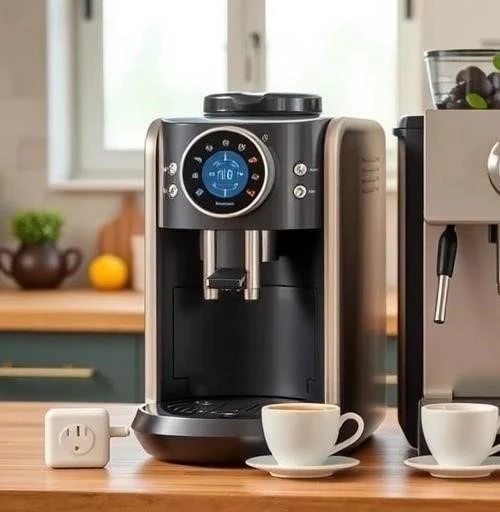
Understand Coffee Machine Power and Energy Consumption: Rated Power‚ Electricity Use per Cycle‚ and Kilowatt-Hours
Compare rated coffee-machine power‚ electricity use per cycle‚ and kilowatt-hours; choose a level suited to your home coffee machine and typical use for regular use at home.
Compare Heating Systems and Features: Heating Time‚ Thermoblock‚ Boiler‚ and Water Tank Capacity
Compare heating systems by considering how quickly they bring water to brewing temperature and how well they suit your usual routines. A thermoblock heats a limited flow of water as it passes through the unit‚ which can shorten preparation between switching on and making a drink. A boiler stores heated water‚ so its suitability depends on whether you make drinks one at a time or prepare several in succession. Check the manufacturer’s description for warm-up behavior‚ since actual heating time varies with the design‚ starting conditions‚ and chosen drink. Tank capacity should match the number of cups typically prepared; a larger reservoir may reduce refill interruptions‚ while a compact one can suit limited counter space. Consider cleaning access and the space needed around the machine as well‚ because these practical details can affect everyday use.
Review dimensions before choosing a model.
Check Efficiency Features: Energy Efficiency Class‚ Energy-Saving Mode‚ Standby Mode‚ Automatic Shut-Off‚ and Standby Power Consumption
When comparing efficiency features‚ check whether the product lists an energy efficiency class and what test or standard supports it. Labels can help organize choices‚ but confirm that ratings apply to the same model and use conditions. An energy-saving mode may limit activity after brewing; review its description to understand which functions remain available. Standby mode keeps the machine ready while using less power than active operation‚ though the actual standby power consumption differs by design. Look for automatic shut-off settings‚ including whether the delay can be adjusted and whether the machine powers down after inactivity. Choose controls that fit your routine‚ and check the manual for default settings and ways to change them. These features are most useful when their behavior is clear and predictable. Check listed standby figures against the stated test method first.
Estimate Running Costs: Electricity Price and How to Calculate Electricity Costs
Estimate the cost by multiplying electricity used in kilowatt-hours by your current tariff. Use the energy figure for the same period as the bill‚ and include taxes or variable rates if applicable. If a meter gives watt-hours‚ convert them to kilowatt-hours by dividing by one thousand before multiplying by the price per unit. For a simple estimate‚ multiply average daily use by the tariff‚ then multiply the result by thirty for a monthly figure. Actual charges can vary with billing periods‚ time-of-use pricing‚ and regional fees‚ so treat the result as an estimate. Compare models using identical assumptions for drinks per day and days of use; this makes cost estimates easier to interpret. Keep your own readings and tariff details together‚ and update the calculation when prices change. This provides a transparent basis for comparing expected annual electricity expenses. Rates may change yearly.




7 Comments. Оставить новый
It is helpful that the article notes heating time can vary by design and operating conditions.
The comparison of thermoblocks and boilers provides useful context for matching a machine to different preparation routines.
The points about tank size and counter space address practical considerations that can affect everyday use.
The article outlines several practical factors to consider when choosing a coffee machine, including power use, heating systems, and capacity.
Overall, the guidance brings together energy use, machine design, and routine needs without suggesting one option suits everyone.
The article distinguishes between energy-saving modes, standby operation, and automatic shut-off in a clear way.
The section on efficiency features encourages readers to check the conditions behind energy ratings and product claims.