
An energy-efficient home depends on more than insulation and efficient heating. Its sewer system also uses electricity and can lose recoverable heat. Thoughtful design, suitable equipment and regular maintenance make wastewater management more sustainable while lowering operating costs.
Start with the layout
Where possible, use gravity drainage: a well-planned gravity sewer needs no pumping along its route. Keep pipe runs short, provide correct slopes and avoid unnecessary bends. For a home connected to a municipal network, check connection levels and plan the route before construction. In a property with a standalone system, place treatment equipment where gravity can carry wastewater to it, while meeting local regulations and site requirements.
Good network design reduces blockages and pumping needs. Insulate exposed or shallow pipes where freezing is a risk; preventing frozen lines avoids emergency work and energy-intensive repairs.
Use pumps only where needed
If elevation makes pumping unavoidable, choose an efficient pump sized for the real flow and head—not an oversized model. An oversized unit may cycle frequently, waste electricity and wear out sooner. A variable-speed drive can adjust pump output to changing demand. Level sensors and well-configured controls help prevent dry running, overflow and needless starts. Track electricity use: a sudden increase can signal a blockage, leak or failing pump.
Improve treatment efficiency
Biological treatment can consume substantial power, especially for aeration. Select a treatment plant suited to household occupancy and actual wastewater loads. Efficient blowers, fine-bubble diffusers and controls that respond to oxygen demand can reduce aeration energy without compromising treatment. Keep diffusers, filters and moving parts clean: neglected equipment often works harder for poorer results. Have the system inspected at the intervals recommended by its manufacturer.
Recover and reuse resources
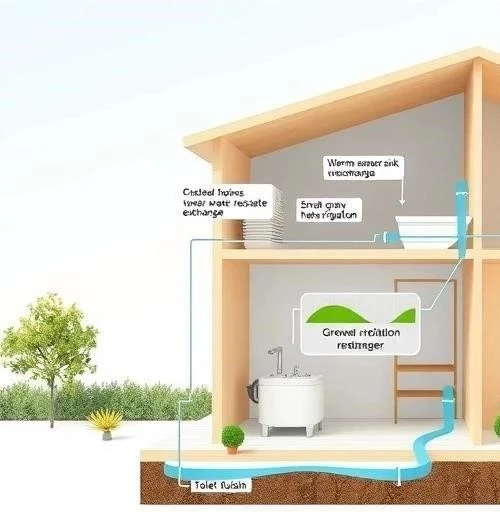
Warm wastewater contains recoverable heat. In suitable buildings, a wastewater heat exchanger or heat pump can transfer some of it to incoming water or space heating. A separate greywater line can collect water from showers and basins for approved non-drinking uses, such as toilet flushing or irrigation. Reuse requires appropriate treatment, separate plumbing and safeguards against cross-connection; follow local health codes.
Make the whole home work together
Connect pumps, leak alerts and level sensors to a home energy-management system where compatible. Choose a setup that provides clear alarms and manual override, not just remote control. Whether the property uses a municipal connection or on-site treatment, energy savings come from matching capacity to demand, avoiding unnecessary pumping, maintaining equipment and reusing water safely. These practical steps make wastewater infrastructure a quieter, more reliable part of an efficient home;

1 Comment. Оставить новый
A practical, well-organized overview of how thoughtful sewer design and maintenance can reduce energy use. The advice on correctly sizing pumps and keeping treatment equipment clean is especially useful for homeowners.