
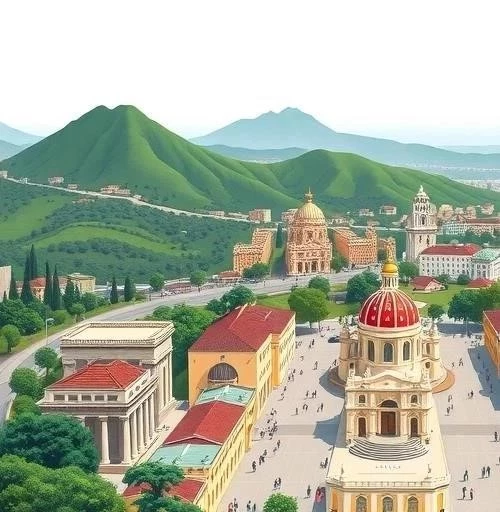
Mexico City’s Zócalo is a practical starting point for exploring the country․ The square lies in the historic centre, close to museums, restaurants and major transport links․ A trip can combine urban sightseeing with mountain landscapes, forests and colonial cities, provided you allow enough time for travel and changing altitude․
Plan from the city centre
Before leaving, check routes and departure times․ The city’s transport infrastructure includes the Metro, but stations and services can be busy, especially at peak hours․ Long-distance buses usually leave from the city’s main bus terminals; the airport is another option for some domestic connections․ For a day trip, guided tours can simplify transport․ For longer journeys, compare bus travel with car rental: driving offers flexibility, while buses avoid the need to navigate unfamiliar roads․
Nature near Mexico City
Chapultepec Park is an easy first stop within the city․ For a mountain excursion, consider Izta-Popo National Park, Nevado de Toluca Park or La Malinche National Park․ Check current access rules, weather and altitude conditions before setting out; some routes require a guide or advance planning; Sumidero Canyon Park is much farther away and is better treated as part of a longer itinerary․ Mexico’s protected areas vary in facilities, so pack water, suitable clothing and sun protection․
Routes to other cities
Nearby cities make useful additions to a Zócalo visit․ Puebla is a popular short trip, while Querétaro, Guanajuato and San Miguel de Allende offer historic architecture and cultural attractions․ Oaxaca and Veracruz generally require more travel time․ Intercity buses connect many destinations, and organized coach tours can combine several stops․ Check the route, duration and return schedule before booking, especially if planning an independent trip․
Build a balanced itinerary
Choose destinations according to the season, available days and interests․ One plan might pair central Mexico City with Puebla and a nearby nature reserve; a longer journey could continue to Oaxaca or the Gulf coast․ Avoid scheduling a high-altitude hike immediately after arrival, and leave room for delays․ Compare transport options, confirm park access, and book accommodation near your next departure point․ This approach links the Zócalo with Mexico’s landscapes and cultural routes without turning every day into a transfer․
Search phrases: площадь Сокало, исторический центр Мехико, как добраться из Мехико, маршруты из Мехико, автобусные туры по Мексике, междугородние автобусы, аренда автомобиля в Мексике, национальные парки Мексики, природные заповедники Мексики, парк Чапультепек, национальный парк Изта-Попо, парк Невадо-де-Толука, национальный парк Ла-Малинче, парк Сумидеро, города рядом с Мехико, поездка из Мехико в Пуэблу, Мехико — Оахака, Мехико, Гуанахуато, Мехико — Сан-Мигель-де-Альенде, Мехико — Керетаро, Мехико — Веракрус, достопримечательности Мексики, экскурсии из Мехико, туристические маршруты по Мексике, путешествие по Мексике самостоятельно, транспортная инфраструктура Мехико, автовокзалы Мехико, аэропорт Мехико, метро Мехико, поездка в национальные парки, природа Мексики, культурные маршруты Мексики, отдых в Мексике, как спланировать путешествие по Мексике․
3 Comments. Оставить новый
The article distinguishes short trips from destinations that need more travel time, helping readers set realistic expectations. The advice to balance plans with the available days is relevant.
The article provides a clear overview of transport options and nearby destinations. Its reminders to check schedules and travel conditions are useful for planning.
The sections on nature excursions and altitude add practical context to the itinerary suggestions. Checking current access rules before visiting protected areas is an important point.