Heating without gas can be a practical option during the renovation of an old building, but it is not automatically cheaper or simpler. The decision depends on the building’s condition, local energy prices, climate, available utilities and the intended level of comfort. For heating a private home, compare the full cost of equipment, installation and operation rather than judging a system by its purchase price alone.
Start with the building
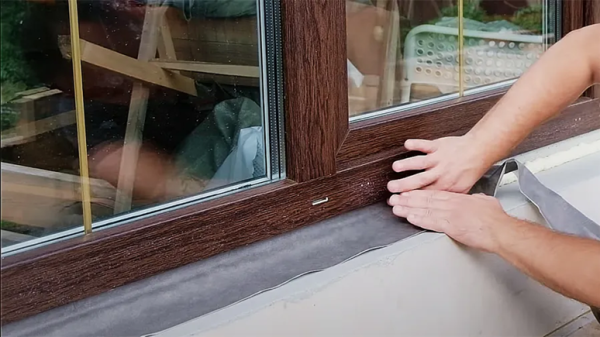
Before choosing a heat source, arrange an assessment of heat loss and inspect the roof, walls, floors, windows and ventilation. Building insulation and draught reduction often improve energy efficiency more than replacing equipment alone. This is especially important when heating an old house: an oversized system may waste energy, while a modern low-temperature system may perform poorly in a poorly insulated building. Check the condition and layout of existing heating radiators and pipes as part of the survey.
Compare available systems
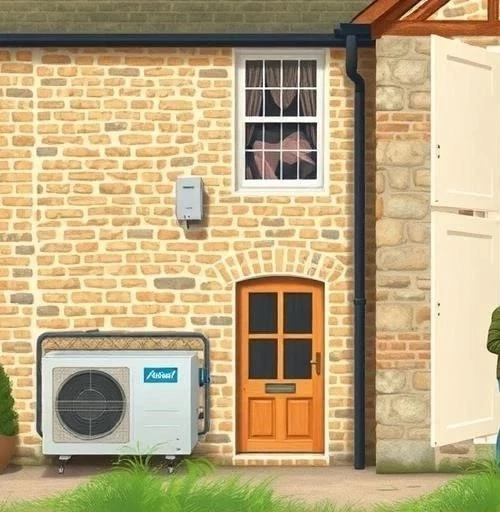
A heat pump can provide efficient alternative heating, particularly where the building has been insulated and underfloor heating or suitably sized radiators can operate at low temperatures. Its performance depends on outdoor conditions, installation quality and the home’s heat demand. An electric boiler is straightforward to install and requires little maintenance, but running costs may be high, and grid connection capacity must be checked before work begins.
A solid-fuel boiler, pellet boiler or wood heating can suit homes with reliable fuel storage and regular access to fuel. These options may require a chimney, more space and routine loading or cleaning. Infrared heating can serve individual rooms or occasional-use spaces, but using it as the only system may be expensive in a building with substantial heat loss. Each option can support autonomous heating, although some equipment still relies on electricity for controls or pumps.
Plan the renovation as a whole
Heating modernization should include controls, distribution, ventilation and safety checks, not just a new boiler. A qualified designer can calculate the heat load and recommend a suitable system. The cost of heating system installation varies with the building’s size, existing infrastructure and required upgrades; Include maintenance, fuel delivery, electricity tariffs and equipment replacement when estimating heating costs.
Heating without mains gas may be worthwhile if the chosen source matches the building and the budget. Savings on heating are more likely when heat loss is reduced first and the system is correctly sized. Compare several proposals, confirm permits and grid requirements, and plan installation around other renovation work. A careful choice of heat source can improve comfort and reduce dependence on gas, but actual results depend on local conditions and ongoing energy prices.