A house without a gas connection need not feel like a compromise. Think of it as a small climate machine: first stop warmth escaping, then choose how to make and store it. This order turns alternative heating into a practical plan rather than a catalogue of expensive equipment.
Begin with the building, not the boiler
Heat-loss reduction starts with a careful heat-loss calculation. A thermal imaging inspection on a cold day can reveal chilly corners, leaky joints and hidden thermal bridges. Then work from the top down: roof insulation, wall insulation, floor insulation and foundation insulation. Private-home insulation is most effective when these layers meet continuously, like a warm coat with no open seams.
Window sealing is a simple first move; energy-efficient glazing can help when old panes are beyond repair. Eliminating thermal bridges around balconies, lintels and foundation edges matters too. Done together, these upgrades improve home energy efficiency and often allow a smaller heating system. That means less fuel, lower bills and fewer dramatic temperature swings.
Choose heat that suits your home
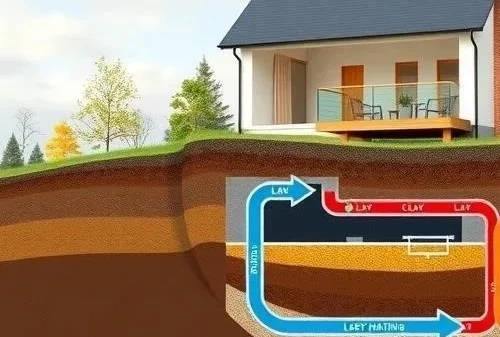
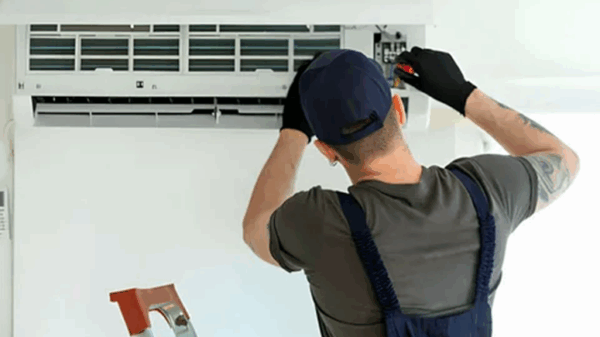
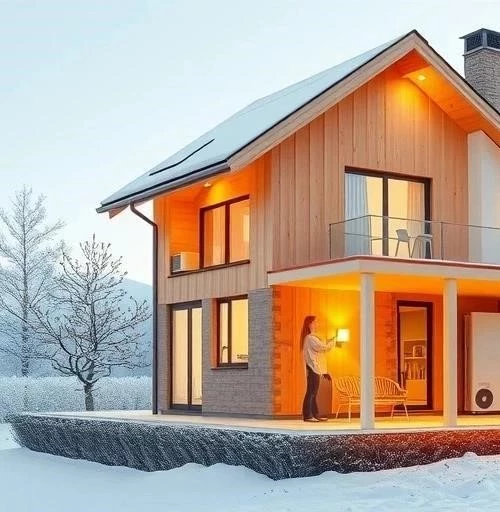
A heat pump can deliver efficient heat, especially in a well-insulated house with low-temperature radiators or underfloor heating. An electric boiler is straightforward to install and useful where the grid is reliable, though running costs depend on electricity prices. For a rural home, a solid-fuel boiler, pellet heating or wood heating may be practical if fuel storage and regular tending are acceptable.
Infrared heaters warm people and surfaces directly, making them useful for occasional rooms or a workshop. Convectors respond quickly, but can be costly as a whole-house solution. Solar thermal collectors provide hot water or support heating; solar panels generate electricity that can power a heat pump or other appliances. No technology is magic: compare installation cost, local climate, maintenance and the price of energy.
Make warmth work harder
An independent heating setup can combine sources instead of relying on one. A thermal storage tank holds surplus heat from a boiler, solar collectors or a heat pump and releases it later. A thermostat matched to your routine prevents overheated rooms, while heat-recovery ventilation brings in fresh air without throwing away most of the warmth. Good ventilation protects the indoor microclimate; simply sealing every crack without planned airflow can invite dampness.
A sensible sequence
- Inspect the building and calculate heat loss.
- Seal leaks, insulate weak surfaces and remove thermal bridges.
- Size the heating system only after the envelope is improved.
- Add controls and storage where they make operation steadier.
Track room temperatures and energy use for a season, then adjust settings. The quietest upgrade may be the one that prevents heat from leaving in the first place. With thoughtful insulation, suitable equipment and careful controls, heating without gas can bring genuine electricity savings—and a home that feels comfortably warm, not merely expensive to heat.