
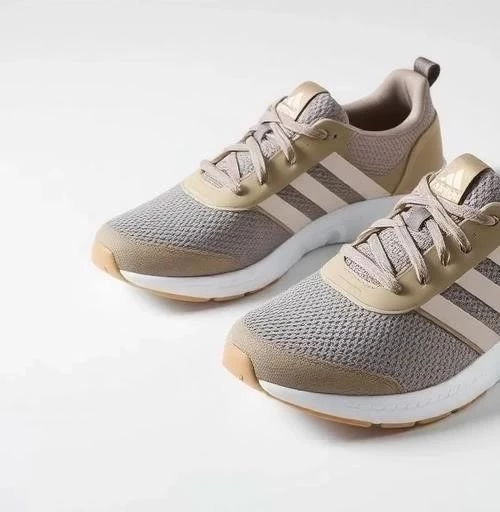
For professionals, a sneaker is not merely a casual alternative to a dress shoe. It may be worn through a commute, across a large workplace, on a business trip, or during a long day that shifts between meetings and errands. In those circumstances, comfort and durability are practical requirements, not marketing extras. Adidas incorporates cushioning systems, engineered uppers, outsole compounds and support structures into many of its shoes; The value of these technologies, however, depends less on how advanced their names sound than on how well they suit a person’s routine.
The central argument is straightforward: technology in an everyday sneaker is useful when it solves a real problem without creating another one. Soft foam can reduce the harsh sensation of repeated steps, but excessive softness may feel unstable. A breathable knit upper can be pleasant on a warm commute, yet may offer less structure than some feet need. A grippy outsole can help on slick pavement, but grip cannot replace care on genuinely hazardous surfaces. Professionals should therefore assess an Adidas shoe as a complete system, not choose it on the strength of a single feature or a famous logo.
From a technology name to a practical benefit
In footwear, technology means the materials and design methods used to achieve practical goals: cushioning, fit, support, traction, ventilation and resistance to wear. These elements interact. The midsole affects how a shoe feels underfoot; the upper holds the foot in place; the outsole meets the ground; and the shape of the shoe determines whether those parts work comfortably together. A benefit described in a product label is not automatically a benefit for every wearer. Fit, body weight, walking style, surfaces and hours of use all influence the result.
This distinction matters especially in daily footwear because an office shoe is often asked to do several jobs. It must be comfortable enough for walking, presentable enough for a workplace, and robust enough to be worn repeatedly. A professional may also need it to pack easily and pair with different clothes. No one foam or fabric can satisfy every requirement equally well. The best choice is usually a balanced design, selected for the wearer’s actual schedule rather than for the longest list of technical features.
Cushioning: comfort over many hours
Adidas is associated with several cushioning families, including Boost and Lightstrike, though the exact materials and constructions differ by model and generation. Boost is commonly presented as a responsive, cushioned platform, while Lightstrike appears in designs where low weight and a more performance-oriented feel are priorities. These names are useful starting points, not guarantees of a particular experience: a shoe’s geometry, foam thickness, firmness and overall fit influence how it feels just as much as the material label does.
For a professional who walks between transit, an office and appointments, cushioning can make hard urban surfaces feel less unforgiving. A responsive midsole may also feel lively during brisk walking, whereas a softer sensation may appeal to someone who spends much of the day on their feet. But cushioning is not a medical treatment, and more is not always better. A highly cushioned shoe can feel tall or unstable to a wearer accustomed to firmer footwear. Someone who stands for hours should try the shoe under realistic conditions, rather than assuming that a thick midsole will prevent fatigue.
The key question is not “Which foam is best?” but “Does this particular shoe keep my stride comfortable and controlled throughout the day?” Try walking at an ordinary pace, turning, stopping and standing still. Notice whether the heel feels secure, whether the forefoot bends comfortably, and whether the foam feels supportive after several minutes. If possible, test shoes later in the day, when feet may be slightly larger. A promising first step is useful evidence, but it is not a substitute for a suitable fit.
Uppers: fit, ventilation and a professional appearance
Adidas uses a range of upper constructions, including engineered mesh and knit textiles such as Primeknit on selected models. A knitted or mesh upper can reduce bulky seams and allow airflow, which may be welcome during a warm commute or in a workplace where shoes stay on all day. Flexible materials can also adapt to the foot’s movement. These qualities are valuable only if the upper holds the foot securely. If the fabric stretches too freely, a wearer may feel that the foot slides inside the shoe, particularly during quick turns or on stairs.
More structured uppers can offer a firmer, more familiar fit and may look more understated with work clothes; They may also be less airy, depending on their materials and lining. Professionals should judge the whole shoe, not assume that a knit upper is automatically cooler or that a structured one is automatically more supportive. Toe room, heel hold, pressure across the instep and the wearer’s preferred socks all matter. A shoe should feel secure without pinching; discomfort at the fitting stage rarely becomes a virtue after a full workday.
Appearance is also a functional consideration. In a creative studio or a relaxed office, a technical runner may fit naturally into the dress code. In a formal workplace, a cleaner silhouette and restrained colors may be more versatile. Adidas offers varied styles, but individual models differ considerably in visual character. Choosing a sneaker that works with the clothes a person actually wears increases the likelihood that it will be used often. That is a practical benefit: a comfortable shoe left at home cannot improve anyone’s commute.
Outsoles, traction and everyday wear
The outsole affects grip, flexibility and the rate at which a shoe wears down. Some Adidas models use Continental rubber, while others use different rubber compounds or constructions. The specific outsole matters more than the brand name printed in a description. Rubber pattern, coverage and compound are all relevant, and performance varies with the surface. A shoe designed primarily for road running may feel different from a casual model intended for a broader mix of everyday conditions.
For professionals, traction is not an abstract performance statistic. It can influence confidence on wet sidewalks, smooth station floors and polished indoor surfaces. Even so, no ordinary sneaker should be treated as slip-proof or as protective work footwear unless it is specifically certified for that purpose. Weather, dirt, worn tread and the condition of the surface can change grip. If a job involves oil, industrial hazards or strict safety requirements, a casual Adidas sneaker is not a substitute for appropriate protective footwear.
Durability deserves similar realism. A resilient outsole can extend useful life, but a shoe’s lifespan also depends on walking distance, body mechanics, storage and care. Daily use in a city may wear a shoe differently from occasional office wear. Rotating between pairs can give materials time to dry and may reduce the pressure of wearing one pair continuously. Cleaning dirt from the upper and outsole, and allowing wet shoes to air-dry away from direct heat, are simple habits that help preserve appearance and function.
Support and stability are personal
Some Adidas designs include structural elements intended to help guide or stabilize the foot. Torsion-related designs, for example, have been used in certain footwear to support movement between the heel and forefoot. Their presence does not mean that every wearer needs them, nor does a technology name establish that a shoe corrects an individual’s gait. Support is a relationship between the shoe and the person wearing it. A feature that feels reassuring to one professional may feel restrictive to another.
People with recurring foot or ankle pain, a history of injury, or a need for prescribed orthotics should treat general product descriptions cautiously. A sneaker can be comfortable, but it is not a diagnosis or a guaranteed solution. The removable insole, internal volume and shape of the shoe may affect whether an orthotic fits properly. When discomfort is persistent, advice from a qualified health professional is more dependable than choosing footwear based only on online claims.
For most buyers, a useful everyday stability check is simple: walk naturally and observe whether the foot feels held without being forced into an unnatural position. The heel should not lift excessively, and the midfoot should not feel as if it is collapsing or being squeezed. Test both shoes, since feet are not always identical. If a model feels comfortable only when laced unusually tightly, or causes rubbing in a short fitting, it may be the wrong shape even if its technical specification appears impressive.
Matching technology to a professional’s routine
A commuter who walks several kilometres each day may prioritize cushioning, dependable outsole grip and a secure fit. Someone who travels frequently may care more about low weight, easy packing and a versatile appearance. A professional who stands at a counter or moves across a large building might prefer a stable platform and an upper that remains comfortable for long periods. These are different needs; The phrase “everyday sneaker” describes a category, not a universal design brief.
- For long commutes: prioritize a comfortable fit, cushioning that feels controlled, and an outsole suited to the surfaces you encounter.
- For travel: consider weight, flexibility, ease of cleaning and whether the shoe works with several outfits.
- For long periods standing: focus on stable underfoot feel, adequate toe room and comfort after sustained wear—not just a soft first impression;
- For warm conditions: look for an upper that feels breathable while still holding the foot securely.
- For a more formal workplace: choose a restrained color and silhouette that meets the office dress code.
These priorities should guide model selection more than the assumption that the newest or most expensive shoe must be the best one. A professional may find a simpler Adidas design more comfortable than a highly technical running-inspired model. Conversely, a runner-style sneaker can be a sensible everyday choice if its cushioning, fit and appearance suit the wearer. The correct comparison is not between “basic” and “advanced”; it is between shoes that do and do not support the person’s real day.
Performance features are not the same as workplace suitability
Many Adidas technologies were developed or popularized in performance footwear. That heritage can bring useful ideas into daily shoes, such as responsive cushioning, lightweight materials and durable traction. Yet a feature optimized for running does not automatically make a sneaker ideal for office use. Running shoes may have a pronounced shape, a tall midsole or a visually athletic upper. These traits can be comfortable for some people and inconvenient for others, particularly if their workplace expects a more formal appearance.
The distinction also prevents overclaiming. A cushioning system cannot promise to eliminate pain; a breathable upper cannot guarantee cool feet in every climate; a rubber outsole cannot ensure safe footing on every wet floor. These are material and design choices with practical advantages and limits. Responsible buying means interpreting product language as an indication of intended function, then verifying whether the shoe works for the individual.
How to evaluate a pair before committing
- Start with the day you need to support. Estimate how much you walk, how long you stand, what surfaces you use and whether the shoe must meet a dress code.
- Check fit in both shoes. Allow comfortable space for the toes, confirm that the heel is secure and make sure the upper does not create pressure across the instep.
- Walk and stand in them. Pay attention to stability, bending, rubbing and whether the cushioning feels comfortable rather than merely soft.
- Consider socks and inserts. Try the footwear with the socks you normally wear. If you use orthotics, confirm that the shoe accommodates them appropriately.
- Review care and return terms. Materials differ in how easily they clean, and a reasonable return policy matters when comfort cannot be judged in a brief fitting.
It is also sensible to look at the precise model rather than rely on a technology name associated with an entire product family. Adidas updates designs, and similar-looking shoes can use different midsoles, uppers and outsoles. Product descriptions and retailer listings should be checked for the exact version. Where possible, consult current specifications from the manufacturer, but treat claims about comfort as starting points for personal testing, not proof that the shoe will suit every foot.
Value, sustainability and the cost of ownership
Professionals often compare sneakers by purchase price, but cost per wear gives a more useful perspective. A moderately priced pair that remains comfortable and presentable through frequent use may be better value than a premium model that does not fit or wears out quickly. The important variables include the shoe’s initial price, how often it is worn, how long its cushioning and outsole remain satisfactory, and whether it can be cleaned and maintained.
Material choices and manufacturing practices also matter to buyers concerned about environmental impact. However, a material label by itself does not establish the full footprint of a shoe. Longevity, repairability, production and disposal all contribute to the broader picture. The most defensible practical step is to buy a pair that fits the need, care for it properly and avoid replacing it simply because a newer technology has appeared. A durable, well-used shoe is generally more useful than an unsuitable purchase made in pursuit of novelty;
Everyday Adidas sneakers can combine cushioning, engineered uppers, outsole traction and structural design in ways that support the demands of professional life. Their real advantage is not that technology makes a shoe universally comfortable, but that thoughtful design can make routine walking and standing easier for the right wearer. Boost, Lightstrike, Primeknit, Continental rubber and other named features may help explain a model’s construction, yet none should replace a careful assessment of fit, stability, appearance and intended use.
The strongest choice is therefore the pair that performs consistently across the wearer’s actual day: comfortable on the commute, appropriate at work, secure on familiar surfaces and durable enough for regular use. Technology is valuable when it serves those goals. For professionals choosing Adidas, practical testing and honest priorities are more persuasive guides than technical labels alone.