
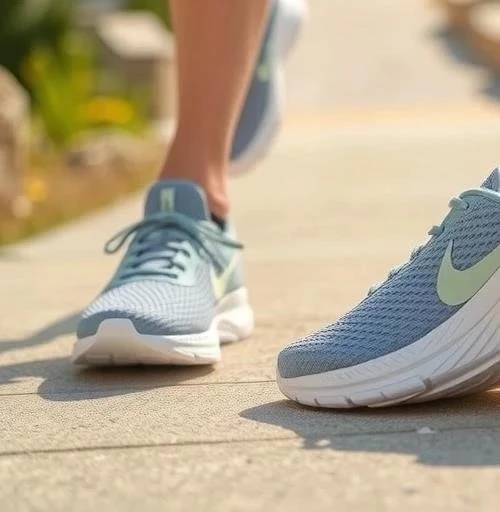
Choosing summer running shoes involves more than selecting a familiar brand or an attractive colour. The right pair should suit your activity, usual surfaces, running style and foot shape while remaining comfortable in warm conditions. Mizuno offers road-running, trail-running and everyday training shoes, but model names, features and availability can change between seasons. Use the points below to compare current options rather than assuming that one shoe will suit every runner.
Start with the intended use
First decide what you will do most often. A road-running shoe is designed primarily for pavement, tracks and smooth paths. A trail shoe usually has a more protective upper and outsole lugs for grip on dirt, gravel or uneven ground. Shoes for gym training may prioritise a stable platform and support during side-to-side movements rather than cushioning for repeated forward strides. A casual shoe can work for walking, but it should still fit your foot and match the distances you expect to cover.
- Road running: Look for a comfortable, breathable upper and cushioning appropriate to your pace and distance.
- Trail running: Consider outsole grip, protection from stones and a secure fit on descents.
- Walking and everyday wear: Prioritise comfortable fit, flexible use and a sole that feels suitable on the surfaces you encounter.
- Gym sessions: Choose a shoe with enough lateral stability for your exercises; a highly cushioned running model may feel less secure for some movements.
If you regularly switch between pavement and technical trails, consider whether one shoe can realistically handle both. A road outsole may lack traction on loose ground, while aggressive trail lugs can feel less comfortable on long stretches of pavement.
Look for warm-weather comfort
For summer, pay particular attention to the upper. Lightweight mesh can allow more airflow than a dense or heavily reinforced construction, helping feet feel less enclosed in warm weather. Mizuno uses different upper materials across its ranges, so check the description and inspect the actual shoe rather than relying on the brand name alone. A thin upper is not automatically better: it still needs to hold the foot securely and resist wear where the shoe bends.
Consider the climate and your planned routes. A waterproof membrane, including Gore-Tex on selected Mizuno models, can be useful in rain, but it generally reduces ventilation compared with an open mesh upper. For hot, dry conditions, a non-waterproof model is often the more practical starting point. For wet trails, weigh weather protection against heat and moisture inside the shoe.
Socks matter too. Lightweight running socks that fit without bunching can reduce friction and help manage moisture. No shoe can prevent overheating in every condition, so allow for changing weather, take breaks when needed and avoid relying on a snug fit that becomes uncomfortable as your feet warm up.
Understand cushioning and Mizuno Wave
Mizuno is associated with its Wave technology, a design element used in parts of the midsole to influence cushioning and stability. The construction differs across models, and the sensation is not identical from one shoe to another. Some runners prefer a more responsive, structured feel; others want a softer or more flexible ride; The technology name alone cannot tell you which shoe will feel best.
Try the shoe at an easy pace and, if possible, compare it with another model. Notice how it feels at initial contact, through the middle of your stride and at toe-off. The shoe should not create pressure, force your foot into an awkward position or feel unstable. A more cushioned model can suit longer easy runs for some people, while a lighter, firmer shoe may appeal to runners seeking a quicker feel. These preferences are individual rather than universal.
Models such as the Wave Rider are commonly associated with neutral daily road training, while the Wave Sky range is generally positioned around a more cushioned experience. Wave Inspire models are designed with support features. These descriptions are useful starting points, not guarantees: versions change, and fit and ride can vary. Compare the current version and try it on before deciding.
Choose support by comfort, not labels alone
Running-shoe categories such as “neutral” and “stability” can help narrow a search, but they do not replace a fit test. Mizuno’s support and neutral distinctions may feel less clear-cut than a simple label suggests, and runners with similar foot mechanics can prefer different shoes. If you already run comfortably in a particular type of shoe, use that experience as a guide. If you have persistent pain or a relevant medical concern, seek advice from a qualified professional rather than trying to diagnose it from a shoe category.
When testing support, check whether the shoe feels controlled without pressing into the arch or restricting your natural movement. It should feel stable during ordinary walking and a short jog. Do not assume that the most structured shoe is automatically the safest choice, or that a neutral model is unsuitable simply because you have been told your feet roll inward.
Get the size and shape right
Fit is one of the most important parts of the decision. Mizuno models can differ in shape, and some runners find the forefoot roomier than in certain competing brands. That is not true of every model or every foot, so try the exact shoe you plan to buy. Check both feet while standing, since one may be slightly longer or wider.
- Leave a small amount of space in front of the longest toe; toes should not strike the front when you walk or jog.
- Make sure the forefoot allows natural toe movement without excessive sideways sliding.
- Check that the heel feels secure without rubbing or lifting noticeably.
- Fasten the laces firmly enough to hold the midfoot, but not so tightly that they create pressure or numbness.
- Try the shoes with the socks you expect to wear for running.
Feet can swell during a run and in hot weather. If you shop later in the day, you may get a more realistic sense of how the shoes feel after some expansion. Sizing varies between models, so do not order solely by the number printed inside another pair. If you are buying online, review the retailer’s measurement guidance and return policy before removing tags or using the shoes outdoors.
Match the outsole to the surface
For paved routes, a road outsole is generally designed for regular contact with hard surfaces and smooth paths. For uneven ground, trail models in ranges such as Wave Daichi or other Mizuno trail collections may offer deeper lugs and added protection; exact features depend on the version. Check the outsole pattern and upper construction against the terrain you actually run, not just the word “trail” in a product title.
Deep lugs can be helpful on soft or loose ground but may feel unnecessary on pavement. Conversely, a road shoe may not provide reliable grip on mud, wet rocks or steep, loose descents. If summer plans include both roads and trails, choose based on the surface that makes up most of your running, or use separate pairs when conditions justify it.
Consider drop, weight and running pace
Heel-to-toe drop is the difference in sole height between the heel and forefoot; It can influence how a shoe feels and how load is distributed, but it does not predict comfort on its own. Runners accustomed to a particular drop should be cautious about making a large change abruptly. Compare specifications when helpful, then judge the shoe by fit and a gradual trial rather than choosing a number in isolation.
Weight can matter for speed and long-distance comfort, but the lightest shoe is not necessarily the best summer option. A lighter upper may feel airy, while a heavier model might offer cushioning, protection or support that better suits your use. Choose the balance that works for your ordinary runs, not only for a brief try-on.
Test before committing
Whenever possible, try on both shoes and walk, jog and turn in them. Pay attention to hot spots, heel movement, toe pressure and whether the shoe feels natural. A short indoor test cannot reproduce a full run, but it can reveal obvious fit problems. Introduce new shoes gradually, especially if the cushioning, drop or support differs substantially from your current pair.
Finally, compare the current model’s specifications, intended use and return terms. Product names can remain familiar while the construction changes between editions. A good summer Mizuno shoe is not simply the newest or most expensive option: it is the pair that fits your feet, suits your routes and feels comfortable at the pace and distance you actually plan to run.
2 Comments. Оставить новый
The warm-weather section provides a practical starting point by highlighting breathability and fit. Checking current model details is also sensible, since features and availability can change.
The guide clearly distinguishes between road, trail, gym and everyday footwear. Its reminder to match outsole grip and stability to the intended activity is useful.