
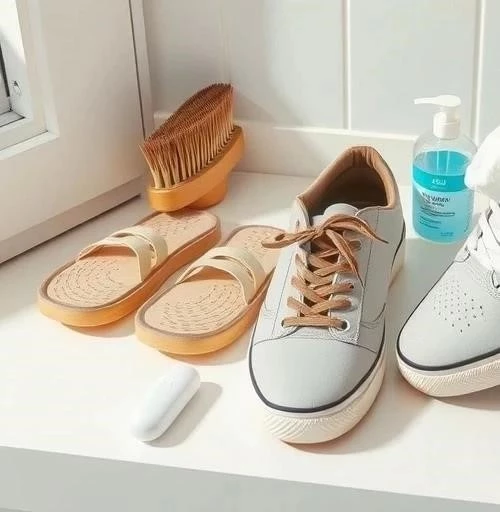
Work sneakers are exposed to long hours of walking, indoor and outdoor surfaces, dust, spills, and repeated wear. Regular care helps them remain comfortable, presentable, and serviceable for longer. The right routine depends on the shoe’s materials and the conditions at work, so check the manufacturer’s care instructions before using water, cleaners, or protective products. A method suitable for mesh may damage leather, suede, or specialty coatings.
Start with the materials and work requirements
Identify the upper, lining, midsole, and outsole materials. Mesh and knit fabrics allow airflow but can hold dirt in their fibers. Smooth leather generally tolerates gentle wiping, while suede and nubuck need limited moisture and a suitable brush. Synthetic materials vary: some can be wiped clean, but solvents or strong detergents may affect their finish. If the shoes have water-resistant treatments, safety features, or a prescribed cleaning method, follow the product guidance.
Also consider the workplace. A clinic, kitchen, warehouse, office, and outdoor site can present different cleaning needs. If footwear is required to meet particular safety or hygiene standards, do not use a care product or alteration that could affect its protective properties. Cleaning does not replace workplace sanitation procedures, and shoes exposed to hazardous substances should be handled according to workplace rules.
After each shift
- Remove loose dirt. Brush off dust and dried soil with a soft shoe brush or clean cloth. Pay attention to seams, eyelets, and the edges of the sole. Avoid scraping the upper with a sharp tool, as this can cut fabric or damage a coating.
- Wipe marks promptly. Use a slightly damp cloth for ordinary surface dirt, then wipe again with a clean cloth. For a spill, blot rather than rub; rubbing can push residue deeper into fabric. Use a cleaner only if it is intended for that material, and test it on a small, inconspicuous area first;
- Air the shoes out. Loosen the laces and pull out removable insoles, if the manufacturer permits. Let both shoes and insoles dry separately in a ventilated place. This allows moisture from perspiration to escape and reduces persistent dampness.
- Check the soles. Remove stones or debris caught in the tread. If the outsole is oily, sticky, or otherwise contaminated, clean it using the method recommended for the material and workplace. A clean tread can help preserve traction, but a worn or damaged sole may still need replacement.
Cleaning by material
Mesh and knit uppers
Use a soft brush to remove dry dirt, then clean with a cloth or soft brush dampened with lukewarm water and a small amount of mild soap, if permitted by the care label. Work gently so the fabric does not stretch or snag. Wipe away soap with a clean damp cloth. Do not soak the shoes: water can affect adhesives, cushioning, and internal components, and may make drying difficult.
Smooth leather and synthetic uppers
Remove dust with a dry cloth before wiping the surface with a slightly damp one; If necessary, use a cleaner designed for the specific material. After cleaning, let the shoes dry naturally. A leather conditioner may be appropriate for untreated smooth leather, but it should not be used on every synthetic surface or on shoes with special finishes. Too much product can leave a slick or sticky surface.
Suede and nubuck
Allow damp dirt to dry before brushing it gently with a suede brush. For small marks, use a product made for suede or nubuck and follow its directions. Avoid routine washing and heavy water application, which can flatten the nap or leave stains. A suitable protective spray may help resist ordinary moisture, but it should be tested first and reapplied only as directed.
Drying without damage
Never place work sneakers on a radiator, beside a heater, in a tumble dryer, or in direct strong sunlight unless the manufacturer specifically allows it. High heat can deform materials, weaken glue, shrink fabric, and affect cushioning. Instead, open the shoes, remove the insoles, and leave them at room temperature with good air circulation. If they are very damp, loosely fill them with plain absorbent paper and replace it when wet. Do not use printed paper that may transfer ink.
Make sure the shoes are completely dry before wearing them again. Putting on damp footwear can be uncomfortable and may contribute to odor or skin irritation. If a pair cannot dry between shifts, rotate between two pairs when practical. Rotation also gives cushioning time to recover between periods of use.
Managing odor and moisture
Odor often develops when sweat and residue remain inside footwear. Clean socks, dry feet, and fully dried shoes are useful first steps. Wash removable insoles according to their instructions; replace them if they remain damaged, compressed, or persistently odorous. A shoe deodorizer can be used if it is compatible with the materials, but fragrance alone does not clean the shoe or remove the source of odor.
Do not pour disinfectant, bleach, or household deodorizing products inside the shoes unless the manufacturer and workplace guidance approve them. These substances can irritate skin, discolor materials, or damage adhesives. Persistent odor accompanied by itching, soreness, or other foot symptoms may require advice from a healthcare professional rather than stronger shoe chemicals.
Protection, storage, and routine checks
Before using a water-repellent spray, polish, or stain guard, confirm that it is suitable for the upper. Apply it in a well-ventilated area and follow the label, including drying time. Protective treatments may need renewal, but frequent or excessive application can change the appearance or breathability of some materials. Keep products away from children and follow safety instructions.
Store sneakers in a dry, ventilated place, away from direct heat and prolonged sunlight. Avoid sealing damp shoes in a plastic bag or closed container. Keep them away from oils, cleaning chemicals, and sharp objects that could damage the upper or outsole. A shoe tree or loosely placed paper can help maintain shape, provided it does not stretch the footwear.
Once a week, inspect stitching, eyelets, laces, the heel lining, and the tread. Replace frayed laces and remove debris from grooves. Look for separation between the sole and upper, cracks, uneven wear, or changes in fit. Do not rely on cleaning to correct structural damage. If the sole is worn smooth, the cushioning has collapsed, or a protective feature is compromised, consult the manufacturer or replace the pair as appropriate.
Common mistakes to avoid
- Washing every type of sneaker in a machine. Agitation, heat, and detergent can damage adhesives, shape, and finishes; machine washing is suitable only when the care instructions explicitly permit it.
- Using bleach, strong solvents, abrasive powders, or stiff brushes without checking compatibility.
- Scrubbing a wet stain aggressively or applying a cleaner before removing loose dirt.
- Drying shoes quickly with direct heat or wearing them while the lining is still damp.
- Applying conditioner or waterproofing spray to all materials as though they were interchangeable.
A practical care schedule
After every shift, remove loose dirt, address fresh marks, and air the shoes. Clean more thoroughly when visible grime builds up, using a material-appropriate method rather than a fixed washing schedule. Dry insoles separately when needed, and inspect the tread and seams weekly. Replace footwear when its condition or fit no longer supports comfortable, appropriate use at work. Consistent, gentle maintenance is usually more effective than occasional intensive cleaning.
1 Comment. Оставить новый
The article offers a practical overview of work sneaker care, with useful reminders to check material-specific instructions and workplace requirements before cleaning. It also emphasizes gentle cleaning and prompt attention to spills.