
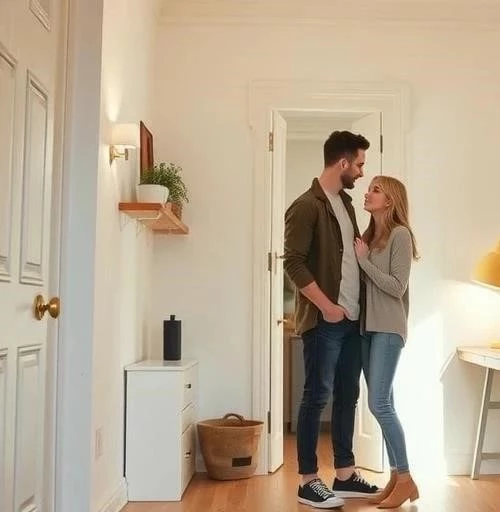
A home office can be fashionable and still feel like a cupboard with a laptop․ For a young couple in a compact apartment, the real luxury is not the latest chair or a viral paint colour․ It is room to think, move, and work side by side․ That is why visual expansion of space has become more valuable than passing trends․
A room that feels bigger than it is
A small office does not need to grow physically to feel generous․ Light shades in the interior soften boundaries; mirrors in the interior can reflect a window and suggest a second source of daylight․ Natural lighting, when left unobstructed, gives the room visual depth․ Together, these choices turn a tight corner into an inviting home office․
The trick is not to make everything white or glossy․ Instead, repeat a calm palette across walls, curtains, and larger furniture, then add character in smaller, changeable details․ A coloured lamp, framed print, or textile can carry personality without making the room feel crowded․ This approach outlasts trends because it responds to how people experience the space․
Design for two, not for a photograph
When two people share a desk area at home, comfort for both depends on thoughtful planning․ A layout that looks perfect in a magazine may fail as soon as one person joins a video call while the other needs quiet focus․ Good workspace ergonomics means enough elbow room, adjustable seating, accessible power, and screens positioned to limit glare․
Sometimes the smartest solution is not one long desk but two compact workstations arranged along a wall or around a corner․ Zoning the space with a rug, a shelf, or different task lighting gives each person a sense of territory without building a wall․ A modest screen can offer privacy while keeping daylight and conversation flowing․
Every object should earn its place
Multifunctional furniture makes a small office work harder: a desk with drawers, a fold-down tabletop, or a bench that hides supplies; Storage systems should keep everyday tools close and rarely used items out of sight․ In a functional interior, calm surfaces are not just an aesthetic choice; they make it easier to begin and finish the working day․
Minimalism in design does not mean living without books, hobbies, or colour․ It means choosing what deserves to remain visible․ Practicality in the interior comes from matching storage to real routines, not buying boxes simply because they are fashionable․ Before adding furniture, notice where bags land, where chargers gather, and what each person reaches for most․
Plan for life, not the latest trend
Thoughtful office arrangement starts with a simple question: what must this room do on an ordinary Tuesday? A young couple may need separate calls, shared project space, and a quick way to hide work after hours․ Rational use of space makes those transitions possible, while a clear plan prevents the office from taking over the home․
Current interior trends can still inspire, but they should serve the people who live there․ In the design of small rooms, visual spaciousness is not a trick; it is a daily kindness․ Choose daylight over clutter, flexible furniture over display pieces, and a layout that respects both people․ The result is a cosy home office that feels open not because it follows fashion, but because it understands its owners․

3 Comments. Оставить новый
This makes thoughtful use of light feel almost like architecture: a mirror borrows daylight, while a calm palette lets the room breathe. The advice to keep personality in smaller, changeable details is practical too; a room can evolve without needing a renovation every time tastes shift.
The best idea here is that a small office can feel spacious without pretending to be somewhere else. I especially like the reminder to design for two real people, not one immaculate magazine photograph—shared workspaces need choreography as much as furniture.
A lovely case for treating a compact office as a small ecosystem rather than a storage puzzle. The suggestions about separate work zones capture something easily overlooked: two people can share a room more comfortably when each has a little territory of their own.