
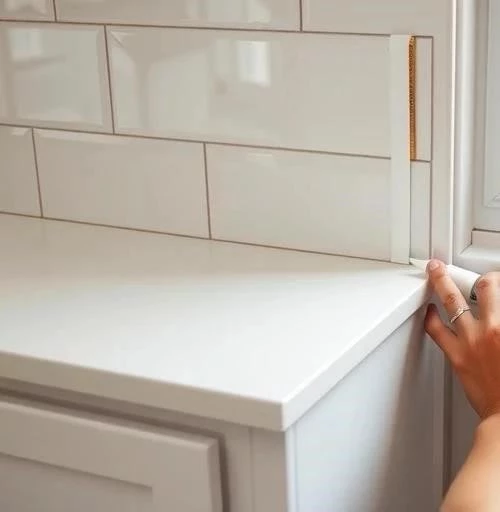
Steam, splashes and frequent cleaning make the joint between a countertop and wall vulnerable to water․ A plastic kitchen skirting strip, also called countertop edging or a kitchen upstand, covers this gap, helps protect the cabinets and makes the worktop easier to clean․ Choose moisture-resistant PVC skirting designed for kitchens․ A quality strip tolerates humidity and normal temperature changes, but it cannot compensate for a leaking tap or a poorly fitted worktop․
Choose the right profile
Check that the profile suits the countertop thickness and wall finish․ A model with a flexible sealing lip can follow small irregularities; a rigid profile needs a flat, even surface․ Match the colour to the worktop or kitchen backsplash․ Before buying, check which mounting rail, inner and outer corners, connectors and end caps are supplied․ These fittings give the installation a neat finish and help avoid exposed ends․
Prepare the surface
Remove the old trim, loose sealant, dust and grease․ The countertop and wall must be clean and completely dry before installation․ Degrease the base with a cleaner suitable for both surfaces, then let it dry․ Check the wall for bumps and repair them where practical․ Careful surface preparation is essential: dirt or moisture can weaken adhesion and leave gaps where water can collect․
Install the skirting
- Measure the countertop edges and cut the mounting rail to length with a fine-tooth saw․ Make clean cuts; avoid damaging the visible profile․
- Fit the rail according to the manufacturer’s instructions, using suitable screws or adhesive․ Keep it level and secure, but do not overtighten fasteners;
- Fit the inner corner, outer corner and connecting pieces as needed․ Press the PVC skirting onto the rail, working along the counter․ Use end caps at exposed ends․
- Check the whole run for gaps․ Gap-free installation matters most at corners and at the countertop-to-wall joint, where splashes may seep behind the trim․
Seal and protect
Apply a thin, continuous bead of kitchen-grade silicone sealant along the joint between the countertop and wall, following the product directions․ Smooth it before it skins over, and remove excess without scratching the finish․ Seal around corners and ends too․ Allow the sealant to cure fully before exposing it to water․ This creates a watertight connection and improves moisture protection; it also helps prevent mold by limiting trapped water․ Never seal over a damp or dirty surface․
Care and common mistakes
Wipe the trim regularly with a soft cloth and mild detergent․ Avoid abrasive pads and harsh solvents, which can dull or damage plastic․ Inspect the seal after intensive cleaning and replace cracked or peeling silicone promptly․ Good care of plastic skirting keeps the joint hygienic and attractive․ Do not rely on the strip as a substitute for a backsplash: install a kitchen backsplash where the wall needs broader protection․ With sound preparation, secure fixing and careful sealing, kitchen skirting installation can withstand everyday humidity and temperature changes for years․
5 Comments. Оставить новый
The emphasis on a clean, dry surface is especially helpful. That step can make a big difference in preventing water from getting behind the trim.
Good advice about not overtightening the fasteners. Small installation details like that can help the finished trim sit neatly.
A useful reminder that skirting can protect the joint, but it is not a fix for leaks or a poorly fitted worktop.
A clear, practical guide. I appreciate the reminder to check which corners, connectors, and end caps are included before buying.
The distinction between flexible-lip and rigid profiles is useful. It helps explain why the right skirting depends on the wall and countertop.