
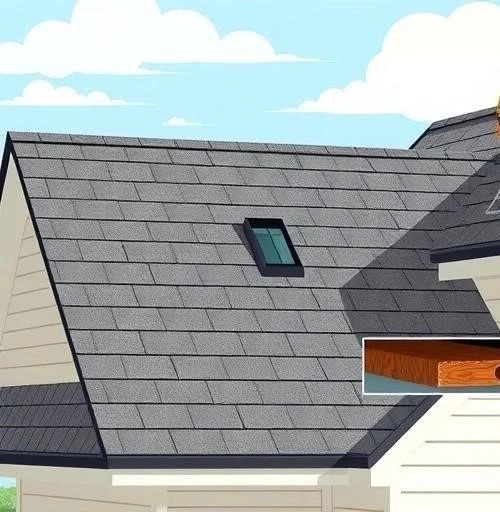
Soft roofing, also called flexible or bituminous shingles, suits many contemporary homes because it combines a wide choice of colours with relatively simple repairs․ A durable roofing covering, however, depends on more than the shingles themselves: roof design, drainage, ventilation and careful installation all matter․ This guide explains the main stages of roof construction and why each one should be planned before work begins․
Plan the roof and calculate materials
Start with the roof slope, shape and local weather conditions․ Check the shingle manufacturer’s minimum slope requirements; a shallow roof may need additional waterproofing or a different covering․ For an accurate material estimate, measure each roof plane and allow for cuts, ridges, valleys and waste․ Include shingles, underlayment, fasteners, metal flashing and roofing adhesive․ A modern roof project should also account for insulation and a continuous ventilation path from eaves to ridge․
Prepare a stable base
Preparation of the substrate is essential․ Install a strong, flat, continuous deck—often called solid sheathing—using exterior-grade plywood, such as FSF plywood, or a suitable OSB board․ Follow local building rules and the panel manufacturer’s spacing instructions․ Secure the deck to the rafters and replace any damaged sections․ A smooth roof deck prevents movement, helps shingles lie evenly and reduces the risk of premature leaks․
Install underlayment and edge details
Lay the underlayment across the deck, starting at the eaves and overlapping each course as specified․ This secondary waterproofing layer protects the roof during installation and helps guard against wind-driven rain․ Fit the eaves strip and gable-edge flashing in the correct sequence so water drains over the metal rather than behind it․ In valleys, install the specified valley lining and keep the drainage channel clear․ Seal joints only with compatible roofing adhesive; excessive adhesive can damage materials or obstruct drainage․
Lay the shingles
Follow the manufacturer’s installation technology and use the recommended starter strip along the eaves․ Begin at the roof edge, align each course carefully, and stagger joints to avoid continuous water paths․ Fasten shingles with corrosion-resistant roofing nails in the marked nailing zone; incorrect nail placement can loosen shingles or allow water entry․ Apply roofing adhesive only where the instructions require it, especially in cold or windy conditions․ At the ridge, overlap and fasten ridge shingles so the ridge remains weatherproof while the ventilation outlet stays open․
Inspect, maintain and repair
Before finishing, check flashing, joints, valleys, ridge caps and ventilation openings․ Good under-roof ventilation removes heat and moisture, protecting both the deck and insulation․ Keep gutters clear and inspect the roof after severe weather․ Prompt repair of soft roofing—replacing damaged shingles and restoring seals—can prevent small defects from spreading․ The service life of the covering depends on product quality, slope, climate, workmanship and maintenance․ For a private house, professional installation is a sensible choice when the roof is steep, complex or difficult to access․

9 Comments. Оставить новый
The guidance on valley lining and keeping drainage channels clear is a useful reminder that roof intersections need careful attention. Overall, the article gives readers a thoughtful foundation for discussing the work with a qualified installer.
The article makes a useful point that a durable shingle roof depends on the whole roofing system, not just the visible covering. Its attention to slope, drainage and ventilation gives homeowners a sensible starting point for planning.
I appreciate the practical emphasis on measuring each roof plane and accounting for valleys, ridges and material waste. Those details can prevent shortages and help make a roofing budget more realistic.
I found the material list useful because it includes components such as flashing, fasteners and underlayment that can be overlooked when estimating only the shingles. It encourages a more complete project plan.
The explanation of the roof deck is clear and helpful. Pointing out that the surface should be stable, flat and properly secured shows why preparation matters before shingles are installed.
This guide is strongest when it connects small installation details with long-term performance. The advice about underlayment overlaps and edge flashing helps explain how water is meant to drain safely.
The article offers a well-organized overview for someone beginning to plan a soft-roofing project. I especially value the reminder to check manufacturer requirements and local building rules rather than relying on a one-size-fits-all approach.
The discussion of ventilation alongside insulation is important because roof performance involves more than keeping rain out. Considering airflow during planning can help avoid problems that are difficult to address later.
The article explains why a smooth, sound deck supports even shingle placement and helps reduce leak risks. Its practical focus makes the construction sequence easier to understand.