
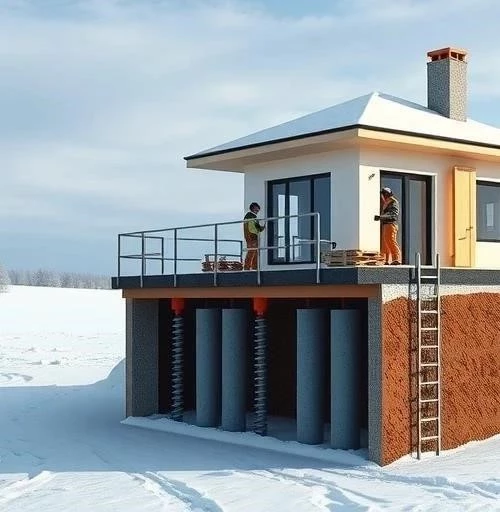
In a cold-climate build, the ground is not a blank page: it freezes, swells, and quietly edits your budget․ A pile foundation can be an efficient answer, but savings come from design decisions—not from simply ordering fewer piles․ The goal is a warm, stable home with no expensive surprises beneath it․
Start below the surface
Geotechnical surveys and engineering-geological investigations reveal soil type, groundwater, and frost depth․ This information helps determine pile embedment depth and protect against frost heave․ Guessing can lead to overlong piles—or movement and repairs later․ Check regional building codes, then commission a load calculation before foundation design․ Accurate inputs make the foundation estimate more than a hopeful number․
Choose piles for the site, not the sales pitch
Pile type selection depends on access, soil, loads, and local conditions․ Screw piles may suit light structures and restricted sites; reinforced concrete piles, including driven piles, can work well under heavier loads․ Bored piles may be preferable where vibration must be limited․ Compare pile length and diameter, pile spacing, and the full pile field as one system․ A qualified designer should specify the solution; the cheapest unit price is not always the lowest project cost․
Make the estimate tell the whole story
The cost of a pile foundation includes more than piles․ A realistic estimate calculation lists pile installation, equipment rental, delivery of building materials, pile strapping, and the grillage․ Ask contractors to separate labor, materials, access costs, and contingencies․ A like-for-like contractor comparison is more useful than comparing headline quotes․ Confirm what the foundation warranty covers, and whether corrosion protection is included where needed․
Use winter strategically
Winter foundation construction is possible, but frost changes logistics․ Frozen access, snow clearance, and concrete curing can add cost; poor planning can also cause delays․ Schedule installation around weather and site access, and follow the engineer’s requirements for materials and curing․ If the ground is frozen, do not treat it as reliable bearing soil without professional guidance․
Save without weakening the design
- Seek seasonal discounts and consider bulk material purchasing only after quantities and specifications are approved․
- Coordinate delivery of building materials with the installation schedule to avoid storage, repeat trips, and rushed rentals․
- Ask whether equipment rental can be shared or timed efficiently, without compromising safe access or workmanship․
- Prevent pile installation errors: incorrect positioning, damaged coatings, or unapproved changes can erase any savings․
Protect the investment above ground
Cost optimization continues after installation․ Proper insulation of the foundation and plinth thermal insulation help limit heat loss; a well-detailed enclosure supports home energy efficiency․ The right approach depends on the house design and climate, so avoid sealing or insulating details that trap moisture․
True savings in construction are measured over the life of the home․ Invest in sound investigations, a transparent foundation estimate, and competent installation․ Spend less on guesswork, not on the engineering that keeps winter outside and your home steady․



6 Comments. Оставить новый
The strongest point here is that a foundation estimate begins with the ground, not a bargain pile. A soil survey may feel like paperwork, but it is really a map of the surprises you’re trying to avoid.
This makes winter construction sound less like a dare and more like a scheduling puzzle. The practical details—access, snow, and concrete curing—are exactly where a rosy quote can meet real weather.
I like the reminder that “cheapest per pile” can be an expensive way to think. Foundations are more like a team than a shopping list: each element has to work with the soil, the loads, and its neighbors.
Good advice for anyone comparing foundation bids. A clear breakdown of installation, equipment, delivery, and warranty turns contractor quotes from mysterious envelopes into something you can actually evaluate.
A useful guide, especially for separating a genuine saving from a tempting shortcut. I’d add one small habit for homeowners: ask each contractor to explain the assumptions behind the estimate, not just its final number.
The article treats the soil like an active participant in the build, which is a refreshing way to frame foundation planning. It may be invisible after construction, but the ground gets a vote in every decision.