
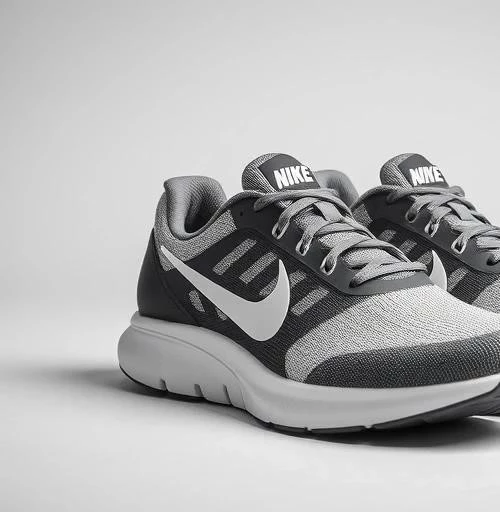
A wide foot and a running shoe can negotiate like two musicians asked to share one tiny stage. The shoe wants to guide the stride; the foot wants space to spread‚ swell‚ and do its springy work. When the fit is wrong‚ even the most celebrated foam can feel like a very expensive argument.
Nike’s running-shoe technologies can make that conversation smoother—but no cushioning system can magically turn a narrow shape into a wide one. The useful question is not simply‚ “Which Nike shoe has the newest technology?” It is‚ “Which combination of width‚ upper‚ cushioning‚ and geometry lets my foot move comfortably?” Here is a practical guide to the details that matter.
First‚ what does “wide” actually mean?
Width is more than a number. One runner may need extra room across the ball of the foot; another may have a broad forefoot but a narrow heel. Some feet need more vertical space over the toes‚ while others feel pressure along the little-toe side. A shoe can be technically wide and still feel wrong if its shape does not match yours.
Running also changes the fit. Feet tend to warm up and swell‚ and toes need a little room to spread when they land and push off. A shoe that feels barely acceptable while standing in a cool shop may become a cramped cabin several kilometres into a run. That is why the upper‚ the toe-box shape‚ and the shoe’s available width matter just as much as the cushioning underfoot.
Width sizing: the quiet feature worth checking first
Nike offers wide-width versions of some running models‚ but availability changes by shoe‚ season‚ country‚ and size. Do not assume that every popular model comes in every width. Check the exact product listing for the width option‚ rather than relying on a model name or a photograph. In common US sizing‚ women’s wide is often marked D and men’s wide 2E; select models may offer additional widths. Always confirm the label used for the particular shoe and market.
A proper wide option changes the shoe’s fit more meaningfully than simply going up in length. Sizing up can create extra space at the front‚ but it may also let the heel slip‚ shift the arch position‚ and make the shoe feel like a canoe with a loose passenger. If the length is right but the forefoot feels squeezed‚ try a genuinely wider version before adding length.
The upper: where comfort meets the shape of your foot
Engineered mesh
Many Nike running shoes use engineered mesh‚ with different knit structures or densities across the upper. A more adaptable mesh may give a little as the foot spreads‚ and ventilation can help keep a warm run from feeling like a sauna. But “mesh” is not a synonym for “wide.” Some mesh uppers are soft and accommodating; others are reinforced or shaped closely around the foot. The fit depends on the whole pattern‚ including overlays‚ seams‚ and the toe-box volume.
Flyknit and knitted constructions
Flyknit is Nike’s knitted upper technology. A knit can create zones with different textures and support‚ and its flexible feel may suit runners who dislike stiff‚ heavily layered uppers. Yet a stretchy fabric cannot erase a narrow last—the internal form around which the shoe is built. If the shoe’s basic shape pinches your forefoot‚ the knit may simply stretch against it rather than solve the problem. Look for comfortable space before counting on the fabric to yield.
Lacing‚ Flywire‚ and pressure control
Some Nike designs use Flywire or other lace-connected support elements to help secure the midfoot. When adjusted well‚ this can hold the foot without requiring the entire upper to clamp down. The trick is to lace for your own shape: loosen the lower eyelets if the forefoot feels pressured‚ then secure the middle and upper zones enough to limit heel movement. A “window” lacing pattern—skipping an eyelet where pressure builds—can sometimes relieve a hot spot. It should not be used to disguise a shoe that is fundamentally too narrow.
Foam and Air: cushioning can feel generous‚ but it cannot widen a shoe
ZoomX
ZoomX is Nike’s lightweight‚ responsive foam‚ used in several performance-oriented models. It can make a run feel lively‚ as if the ground has offered to return a little of the energy you lent it. The sensation varies with the shoe’s shape‚ stack height‚ and construction. For a wide-footed runner‚ ZoomX is a comfort benefit only if the upper and platform also fit securely. A springy ride does not compensate for toes pressed against the sidewalls.
React and ReactX
Nike’s React-family foams are designed for cushioned‚ durable running experiences‚ with ReactX appearing in newer models. Foam names are useful clues‚ not guarantees of softness or suitability: two shoes with cushioning from the same family can feel different because their geometry and uppers differ. If you need a forgiving daily trainer‚ try the complete shoe at your usual running pace‚ paying attention to whether your foot stays comfortably centred over the platform.
Air Zoom units
Air Zoom units are pressurised elements designed to add a responsive sensation in the sole. Their placement and feel differ among models. They do not create extra width‚ but they can shape the ride beneath the foot. When testing a shoe with Zoom Air‚ notice both the bounce and the side-to-side stability. A lively forefoot is wonderful; a foot that feels pushed toward the edge of the platform is a signal to reassess the fit.
Geometry and support: the hidden architecture beneath the ride
Outsole shape‚ midsole width‚ flex grooves‚ and heel construction influence how a shoe behaves after it lands. A broad platform may feel reassuring to one runner‚ while another may prefer a narrower‚ more agile sensation. Some designs guide the foot through the stride with firmer areas or shaped sidewalls. These features are about the shoe’s movement and support—not a substitute for selecting the correct width.
Rockered profiles and curved soles can encourage a smooth transition from landing to toe-off. That can feel efficient‚ especially in cushioned trainers‚ but the sensation is personal. If the shoe’s curve makes your toes feel crowded or changes where you naturally bend‚ it may not be your match. Let the shoe’s geometry complement your stride rather than trying to coach your foot into a shape it dislikes.
A practical Nike fitting ritual
- Measure both feet. Do it standing‚ preferably later in the day‚ when feet may be larger. Use the larger foot as your starting point.
- Try your running socks. A thicker sock can change the fit more than you expect. Test the shoes with what you will actually wear.
- Check length and width separately. Aim for comfortable toe clearance‚ but do not buy extra length just to escape forefoot pressure.
- Stand‚ walk‚ and jog if possible. The toes should not be squeezed together‚ and the foot should not slide dramatically inside the shoe.
- Notice pressure‚ not just softness. Look for pinching at the ball of the foot‚ rubbing at the little toe‚ upper material pulling tight‚ or numbness. Those are fit clues‚ not tests of toughness.
- Compare widths in the same model. This helps separate the effect of width from changes in cushioning or shape between different shoes.
- Try both shoes. Feet are not always identical. Walk‚ then make a few gentle running steps if the shop allows it.
Common wide-foot myths‚ gently retired
“I’ll just go half a size up.”
That may help if the shoe is short‚ but it is not a reliable width solution. Excess length can shift the shoe’s bend point and loosen the heel. Check width options first.
“A stretchy upper will stretch enough.”
Some uppers adapt; others do not. Stretch can ease mild pressure‚ but it cannot guarantee room where the shoe’s shape is too narrow. Do not count on painful tightness disappearing after a few runs.
“More cushioning means more comfort.”
Cushioning describes the underfoot experience‚ not the fit around the foot. A plush shoe that squeezes the toes is still the wrong fit. Comfort is a team effort between shape‚ upper‚ platform‚ and foam.
“Wide feet always need extra stability.”
Foot width alone does not determine what type of support a runner needs. Choose stability features based on comfort‚ running experience‚ and professional advice where appropriate—not on width as a label.
How to narrow down the Nike lineup
Start with the job you want the shoe to do: everyday mileage‚ faster sessions‚ long runs‚ or racing. Then filter for the width options actually offered in your size. Within that shortlist‚ compare the upper’s feel‚ toe-box shape‚ cushioning‚ and platform. Model names and technologies change over time‚ so current product details matter more than an old recommendation from a friend—or a shoe review written for a different version.
If a model is available only in standard width‚ it may still suit a foot that is broad but low-volume‚ or it may not. The label cannot make that decision for you. Pay attention to whether the forefoot feels relaxed without the heel becoming insecure. If the shoe feels good only when laced painfully tight or unnaturally loose‚ keep looking.
The final fit test: let the foot finish its sentence
A good running shoe does not need to feel like a padded cloud‚ nor should it demand a break-in period worthy of a historical epic. It should feel secure at the heel and midfoot‚ with enough room for the toes to spread. The upper should not bite‚ the sole should feel predictable‚ and your attention should drift away from the shoe once you start moving.
Nike’s toolkit—engineered mesh‚ Flyknit‚ lace-based support‚ ZoomX‚ React-family foams‚ Air Zoom‚ and varied sole geometries—offers many ways to tune the experience. But the most important technology for a wide foot is still a suitable shape‚ in the correct length and width. Let the foam provide the rhythm‚ let the upper breathe‚ and give your toes a stage large enough to dance on.
In short: check for an actual wide-width option‚ judge the whole fit rather than the technology name‚ and test the shoe with your running socks and a little movement. When the fit is right‚ the shoe stops being the story. The run gets to be.
7 Comments. Оставить новый
A useful myth-buster: plush cushioning cannot negotiate extra room into a narrow toe box. This guide makes the less glamorous details—width options and upper shape—feel like the real stars of the fitting room.
The image of a foot and shoe sharing a tiny stage is memorable, and the practical advice earns its place beside it. I would love to see a simple checklist for spotting pressure points during a test run.
A thoughtful guide with a refreshing message: technology matters, but comfort begins with the shape of the shoe around the foot. The best running shoe should feel less like a device and more like a door that opens easily.
The description of feet swelling as a run unfolds rings true. A shoe should be judged not only in the stillness of a shop, but in the warm, moving world it is meant to serve.
This makes room for the fact that no two “wide feet” tell the same story. Forefoot width, heel shape, and toe height are different clues, and the article wisely refuses to reduce them to one number.
I like how this treats shoe fit as a conversation rather than a contest between feet and foam. The reminder that width is about shape—not just a label—could save a lot of runners from buying the wrong “solution.”
I appreciate the careful note that sizing labels and availability can vary by model and market. That small caution is like a map legend: easy to overlook, but essential before setting out.