
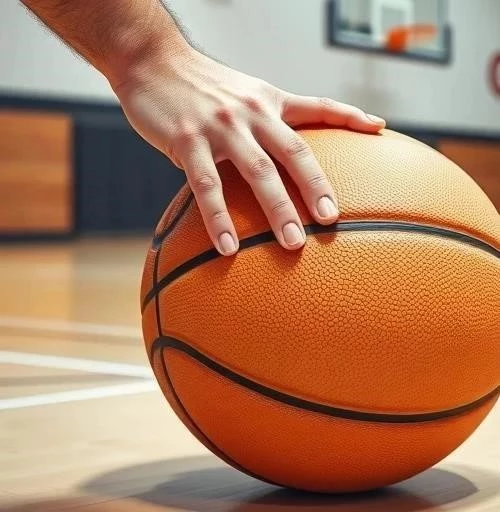
A basketball should feel firm‚ bounce consistently and remain comfortable to grip. A ball that is underinflated may feel soft and bounce unpredictably; one that is overinflated can feel unusually hard and may rebound too sharply. The most reliable way to check inflation is to use a pressure gauge and compare the reading with the recommendation printed on the ball or supplied by its manufacturer.
Check the recommended pressure
Look near the valve or on the ball’s packaging for a pressure range. Many full-size basketballs use a recommended range of about 7.5–8.5 psi (approximately 52–59 kPa)‚ but the correct value can vary by model and playing rules. Use the figure marked for your specific ball rather than assuming that one pressure suits every basketball. If the ball is used for an organized competition‚ check the applicable league or event requirements as well.
Measure it with a pressure gauge
- Find a basketball pump with a pressure gauge‚ or use a separate gauge designed for sports balls.
- Moisten the needle with water or a small amount of valve lubricant. This helps it enter the valve smoothly and reduces the risk of damage.
- Insert the needle straight into the valve. Avoid forcing or twisting it.
- Read the gauge and compare the result with the recommended pressure.
- Add air in short bursts if the reading is low. Recheck it before adding more. If the pressure is too high‚ release a little air and measure again.
A gauge is preferable to judging firmness by hand: people perceive pressure differently‚ and the outer cover can feel firm even when the ball needs air. A small amount of air can make a noticeable difference‚ so avoid pumping continuously without checking.
Use a bounce test as a quick check
If a gauge is not available‚ a bounce test can help identify a likely problem‚ though it cannot provide an exact pressure measurement. Use a flat‚ hard surface and drop the ball from a consistent height without pushing it downward. Observe how high it rebounds and whether it bounces evenly. A properly inflated ball should return with a predictable bounce and should not feel sluggish or unusually lively.
Some manufacturers and competition rules specify a rebound test‚ including the drop height and acceptable rebound range. Follow those instructions when precision matters. For an informal check‚ compare the ball’s bounce with a known‚ properly inflated ball of the same type. A soft court‚ carpet‚ uneven floor or forceful release can affect the result‚ so these factors should not be mistaken for a pressure problem.
Signs the ball may need attention
- Possibly underinflated: the ball feels soft‚ is easy to squeeze‚ rebounds low‚ or loses its bounce quickly.
- Possibly overinflated: the ball feels excessively hard‚ rebounds very sharply‚ or is uncomfortable to catch.
- Possible leak or damage: pressure drops again soon after inflation‚ air can be heard escaping‚ or the surface‚ seams or valve show visible damage.
These signs are useful clues‚ not substitutes for a pressure reading. A worn or damaged ball may bounce poorly even when its pressure is correct. If air continues to escape‚ inspect the valve and ball; do not keep adding air as a permanent fix.
Inflate and store the ball carefully
Use a pump needle made for basketballs‚ keep it moist before insertion‚ and stop when the gauge reaches the recommended range. Do not use a compressor unless it has a reliable regulator and you can monitor the pressure closely; Store the ball away from extreme heat‚ direct sunlight and sharp objects. Temperature changes can affect pressure‚ so check the ball again if it has been stored in very hot or cold conditions.
In short: check the manufacturer’s pressure recommendation and use a gauge for an accurate result. Feel and bounce can reveal obvious underinflation or overinflation‚ but they are best treated as quick checks rather than precise measurements.
7 Comments. Оставить новый
The step-by-step instructions for using a pump and gauge are practical and easy to follow.
The article distinguishes well between a precise pressure measurement and a bounce test that can only provide a rough indication.
The explanation of how to insert and moisten the pump needle gives readers useful details for handling the valve carefully.
The article clearly explains why checking a basketball’s pressure with a gauge is more reliable than judging firmness by hand.
The reminder to add air in short bursts and recheck the pressure offers a useful way to avoid overinflating the ball.
The information is organized clearly, making it straightforward to find recommended pressure guidance and basic checking steps.
It is helpful that the article notes pressure recommendations can vary by ball and advises checking the manufacturer’s guidance.