
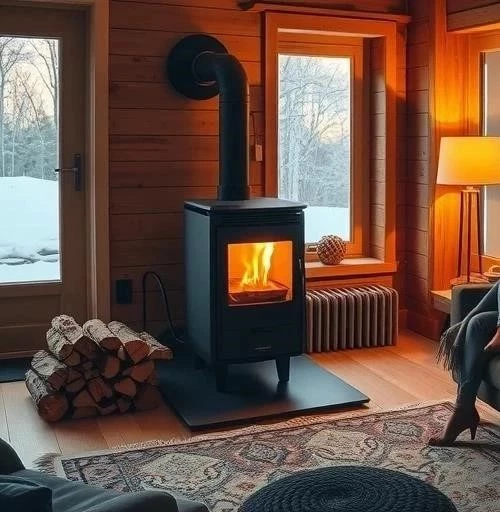
Wood heating can make a home feel welcoming, but a fire alone does not guarantee comfort․ For heating a private house, the real test is whether the system maintains a comfortable indoor temperature safely and consistently․ A wood-burning stove may suit an open living area; rooms separated by walls may need a different solution․
Comfort depends on system design
A stove gives direct, radiant warmth and can create a pleasant focal point․ Yet its heat output is concentrated near the appliance, so distant rooms may remain cold while the stove room becomes too hot․ This uneven heating can make temperature control difficult․ A wood boiler connected to a water heating system can distribute heat to several rooms more evenly, especially when paired with a circulation pump and a heat accumulator․ These additions cost more, but they help store heat and reduce sharp temperature swings․
Heating efficiency also depends on the building․ Good home insulation, draught sealing and suitable windows reduce heat loss, allowing the system to keep warmth for longer and lowering fuel consumption․ Without these measures, even a powerful stove may struggle to maintain heat․ Insulation is often a more reliable route to comfort than simply burning more wood․
Fuel and daily effort matter
Firewood selection affects both performance and convenience․ Dry, properly seasoned wood burns more cleanly and releases more useful heat than wet logs․ Firewood moisture therefore matters: damp fuel can produce smoke, soot and less predictable heat․ Plan storage in advance, and consider the space, lifting and regular loading that wood heating requires․ If no one can tend the fire when needed, comfort may suffer․
Safe operation is essential․ Follow the manufacturer’s clearances, use a suitable flue, install smoke and carbon-monoxide alarms, and keep combustible materials away from the appliance․ Regular stove maintenance, including chimney inspection and cleaning, helps prevent fires and supports efficient combustion․ A wood system is not a low-effort option, and its responsibilities should be part of the decision․
Wood heating can improve comfort when the appliance is correctly sized, the house is insulated and heat is distributed to the rooms that need it․ A stove is often simplest for local warmth; a boiler and thermal storage may be better for whole-house, more even heating․ Compare costs, fuel access and maintenance with alternative heating sources․ Wood is a strong choice when these conditions fit your home and routine—not a universal shortcut to comfort․

8 Comments. Оставить новый
Overall, this is a clear and measured guide for anyone considering wood heating. It covers comfort, fuel, upkeep, and safety without presenting one option as universally best, though a note about consulting a qualified installer would add useful context.
The comparison between radiant heat from a stove and heat distributed through a water system gives readers a useful starting point. Actual performance will vary with the home’s layout, so the emphasis on system design is well placed.
The safety reminders are important and appropriately direct. Smoke and carbon-monoxide alarms, correct clearances, and chimney maintenance are not minor details; they are essential parts of operating a wood-burning appliance responsibly.
The article makes a useful distinction between heating one room and warming a whole house. Its point that stove placement and heat distribution affect comfort is practical, especially for readers comparing a standalone stove with a boiler.
This is a balanced overview: it acknowledges the appeal of wood heating while also noting the labor involved in loading and tending a fire. That practical perspective helps readers consider whether the system fits their daily routine.
The discussion of seasoned firewood is helpful because fuel quality affects both heat output and the amount of smoke and soot produced. The article could be even more useful by explaining how homeowners can check whether their logs are dry enough.
I appreciate that the article treats insulation as part of the heating decision rather than an afterthought. Reducing heat loss can improve comfort and fuel use, so assessing the building before choosing a larger appliance is sensible advice.
The article explains why simply burning more wood may not solve cold rooms, which is a valuable point. Addressing drafts and insulation first can be more effective than increasing heat output without considering where warmth is being lost.