
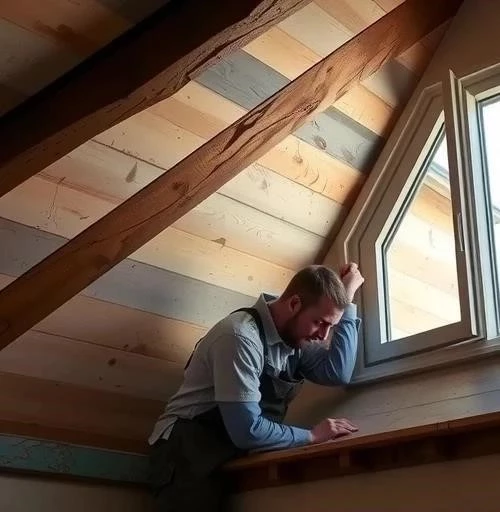
A skylight can brighten an attic in an older building, but its service life depends on more than the quality of the unit․ Before installation, inspect the roof condition, roof structure and timber rafters․ Check for rot, previous leaks, sagging or repairs that may have weakened the roof․ If defects are found, arrange roof repairs first․ A sound roof structure and suitable flashing are essential to a durable window assembly․
Installation and moisture protection
Correct skylight installation must follow the manufacturer’s instructions and suit the existing rafter system․ Do not cut or alter rafters without a qualified professional’s advice․ The installation gap should be even and properly filled; insulation around the frame and careful insulation of the reveals help prevent cold bridges․ Connect the roof waterproofing membrane to the frame, and fit the specified flashing kit and drainage gutter so water runs away from the opening․ Proper sealing of joints protects against leaks, but it must not block drainage or ventilation of the roof space․
On the inside, connect the vapour barrier continuously to the window frame․ This limits warm, moist indoor air from reaching cold layers, where condensation can form․ Keep roof-space ventilation clear, and make sure the roof’s insulation and waterproofing are in good condition․ Protect exposed timber from moisture and, where appropriate, use a suitable wood preservative treatment․ These measures are especially important in older buildings, where layers may have been added or changed over time․
Ongoing care
A preventive inspection once or twice a year, and after severe storms, can reveal small problems before they cause damage․ Look for damp patches, cracked sealant, loose flashing, blocked drainage channels and signs of condensation on the window․ Check the roof covering around the opening and clear leaves or debris from the drainage gutter․ If water stains appear, investigate promptly rather than covering them with paint; the source may be a roof defect, failed joint or blocked drainage path․
- Clean the frame and glass with products recommended by the manufacturer․
- Inspect seals for cracks or hardening; replace a worn gasket before it fails․
- Check hardware adjustment so the sash closes evenly and compresses the seals correctly․
- Keep the attic ventilated and avoid covering internal air inlets or drainage routes․
Regular skylight maintenance does not replace professional roof inspections․ Ask a specialist to assess persistent moisture, damaged timber, recurring condensation or a window that no longer closes tightly․ Timely repairs, careful seal care and correct hardware adjustment help preserve the roof and extend the life of the window assembly․ With suitable installation and consistent attention, a skylight can remain efficient and reliable for many years, even in an older building․
3 Comments. Оставить новый
Useful advice for maintaining a skylight over time. The reminder to inspect after storms and clear debris from drainage channels is particularly valuable.
The explanation of moisture protection is helpful and easy to follow. Connecting the vapour barrier properly is an important detail that homeowners might otherwise overlook.
A clear and practical overview. I especially appreciate the emphasis on checking the roof structure before installation and seeking professional advice before altering rafters.