
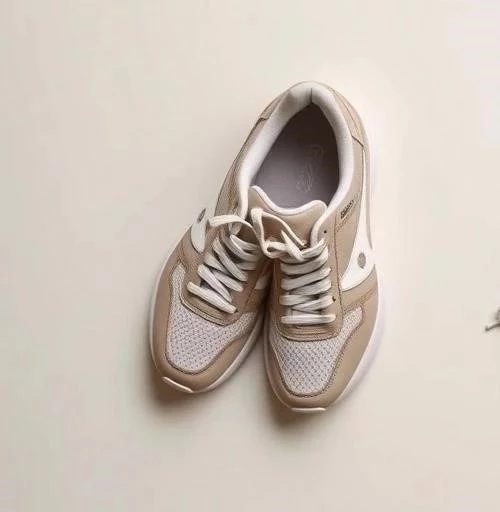
Mizuno is best known for running shoes, but many people also wear its cushioned trainers for commuting, errands, travel, and long days on their feet. For someone with wide feet, the brand can be a good place to look—but “Mizuno” is not a guarantee of a roomy fit. Shape, width options, upper materials, and cushioning vary by model and version. The right pair may feel supportive and comfortable; the wrong one can press on the forefoot even if the length seems correct.
This guide looks at the practical advantages and drawbacks of everyday Mizuno sneakers for wide feet. It is not a claim that every model fits the same way: try on the exact shoe you plan to buy, and treat the fit of one model as a starting point rather than a rule for the whole brand.
What “wide” means in a sneaker
Foot width is only part of fit. A shoe may have enough space across the ball of the foot but still feel tight over the toes, squeeze the midfoot, or let the heel slip. Two people who both describe their feet as wide may need different shapes. Toe splay, instep height, arch shape, and differences between left and right feet all matter. Length matters too: going up a size to gain width can leave extra space in front and cause sliding.
Some Mizuno models and markets offer a wide-width version, while others may be sold only in standard width. Availability can differ by country, retailer, color, and season. Check the width designation on the actual product listing or shoe label rather than assuming that a particular model is available in a wide fit. A wide version can add useful volume, but it may not change every part of the shoe equally.
Potential advantages
Supportive feel for long days
Many Mizuno running shoes are built for repeated steps, so their cushioning and structured construction can suit everyday use as well as exercise. Depending on the model, the ride may feel springy, balanced, or firmly supported. That can be welcome on a day that involves walking between transit stops, standing at work, or covering a lot of ground. A comfortable running shoe can also be a practical alternative to a flat casual sneaker when the latter leaves the feet tired.
However, “more support” is not automatically better for every wearer. Cushioning preferences are personal, and a shoe that feels stable to one person may feel stiff to another. Consider how the shoe feels under your own foot rather than choosing by reputation or technical descriptions alone.
Some models have a forgiving upper
Mesh and other flexible upper materials may adapt more readily to the foot than stiff leather or heavily reinforced fabric. On some models, this can make a standard-width shoe feel less restrictive around the forefoot, particularly if the pressure is mild. A lacing system can also help adjust the hold over the midfoot without changing the fit at the toes. These features may improve comfort, but they do not turn a genuinely narrow shoe into a wide one.
Options for different types of daily use
Mizuno’s range includes shoes with different levels of cushioning, stability, and structure. A neutral daily trainer may suit someone who wants a straightforward walking-and-running shoe; a stability-oriented model may appeal to someone who prefers a more guided sensation. Cushioned options can feel comfortable for easy miles or extended standing, while lighter designs may be easier to wear for faster workouts. Product families such as Wave Rider, Wave Sky, and Wave Inspire are examples shoppers may encounter, but their fit and feel can change between generations. Compare the current model, not just the name.
Useful performance details in an everyday shoe
Features designed for running—such as durable outsoles, secure heel construction, and breathable uppers—can be useful in ordinary life too. A shoe that handles pavement and frequent walking may be more versatile than a fashion sneaker with a thin sole. Some people also like the defined, stable platform Mizuno shoes can provide. This is a potential benefit rather than a universal one: different models use different constructions, and the feel underfoot should be tested in person if possible.
A broad choice of styles
Running shoes are no longer limited to the track or gym. Many Mizuno designs can be worn with everyday clothes, and a single pair may work for walking, light training, and casual outings. That versatility can make the cost easier to justify for someone who wants one dependable shoe for several activities. Still, a performance silhouette, visible branding, or technical-looking sole may not suit everyone’s preferred style.
Potential disadvantages
Standard widths may still feel narrow
The most important caution for wide-footed shoppers is that a flexible upper does not necessarily mean a roomy last. If the toes are pushed inward, the ball of the foot spills over the midsole, or the sides feel pinched after a short walk, the shoe is probably not a good match. Do not rely on the hope that a tight shoe will stretch enough. Mesh may soften with wear, but it cannot reliably create the extra width your foot needs.
Wide sizing may be hard to find
Even where wide versions exist, a particular size or color may be unavailable. Retail listings can also be unclear about whether a shoe is standard or wide. This can make online shopping frustrating and may leave fewer choices than shoppers have in the standard width. If possible, search using the model name plus the width designation, confirm the product code, and check the retailer’s exchange policy before ordering.
A roomy forefoot can come with a different fit elsewhere
Choosing a wider version may solve pressure at the toes but make the heel or midfoot feel loose. That mismatch can cause sliding, rubbing, or a need to tighten the laces uncomfortably. Conversely, sizing up to gain width may create excess length and poor heel hold. A good fit should feel secure around the heel and midfoot while allowing the toes to spread naturally. If those needs cannot be balanced, another model or brand may suit your foot better.
Some rides may feel firm or structured
Mizuno shoes do not all have the same cushioning, but certain models may feel more guided or firm than a shopper expects from a soft-looking sole. Some wearers enjoy a responsive, stable sensation; others want a plush, flexible shoe for walking. A strong structure can also make the shoe feel less accommodating if the foot is broad or sensitive. Read descriptions as clues, not guarantees, and walk around in the pair before deciding.
Running features can add bulk, heat, or cost
A cushioned running shoe may be heavier and more substantial than a simple casual sneaker. A dense upper or padded construction can feel warm in hot weather, while a deep sole may feel awkward to someone who prefers a low-to-the-ground shoe. Performance models can also cost more than basic everyday footwear. These trade-offs may be worthwhile for comfort and durability, but they are not essential for every routine.
Fit changes between versions
A model name can remain familiar while the upper, sole, or overall fit changes from one generation to the next. Reviews of an older version may not accurately describe the current one. The same caution applies when comparing men’s and women’s versions or shoes sold in different regions: sizing conventions and available widths can differ. Use past experience as a guide, then confirm the fit of the exact pair.
How to choose and test a pair
- Shop late in the day. Feet often expand after hours of standing and walking. Trying shoes when your feet are at their larger size gives a more realistic test for everyday comfort.
- Wear your usual socks. Thick or thin socks can noticeably change the space inside a shoe. If you use orthotics, bring them and test the pair with them in place.
- Check both feet. Stand up and walk around. Leave comfortable space in front of the longest toe, but do not use extra length as a substitute for width. Make sure neither foot is compressed at the sides.
- Notice pressure, not just pain. A short try-on should not produce sharp pressure, tingling, numbness, or a persistent hot spot. The toes should be able to spread without being forced together, and the upper should not bulge tightly over the widest part of the foot.
- Test heel hold and lacing. The heel should feel secure without the laces having to be painfully tight. Try modest lacing adjustments for a high instep or a loose midfoot, but do not use them to disguise a shoe that is too narrow.
- Walk on a suitable surface. If the store permits it, walk for several minutes and notice whether the shoe feels comfortable through the whole step. Check the return rules before wearing new shoes outdoors.
Who may benefit most?
Everyday Mizuno sneakers may be worth trying if you want a performance-oriented shoe for walking and running, appreciate a secure or structured feel, and can find a model whose shape accommodates your foot. They may be especially appealing when a verified wide-width option fits both the forefoot and heel comfortably. People who spend long periods on hard surfaces may also appreciate the cushioning of selected models, provided its firmness and geometry suit them.
They may be a poor choice if every standard model pinches your forefoot, wide versions are unavailable in your size, or the shoe’s structure feels intrusive. People with bunions, unusually broad toes, a high instep, or foot pain should prioritize a pressure-free fit over brand loyalty. If discomfort is persistent, seek advice from a qualified healthcare professional rather than expecting a new sneaker to resolve the underlying problem.
Verdict
The main advantage of Mizuno for wide-footed everyday wear is the possibility of combining running-shoe cushioning, a secure construction, and a practical design for walking or standing. Some models and specific wide versions can work very well as all-day shoes. The main drawback is inconsistency: width availability and shape differ, and a standard model that feels fine to one person may squeeze another. Firmness, bulk, price, and version-to-version changes are additional considerations.
In short, Mizuno is a brand to try, not a guarantee of a wide fit. Choose by the exact model and width, assess the shoe while standing and walking, and reject any pair that creates pressure at the forefoot. A comfortable fit—with room for natural toe movement and a secure heel—is more important than the logo, the cushioning label, or a size that looks right on paper.
9 Comments. Оставить новый
The guide takes a balanced approach rather than promising every Mizuno will fit. Foot shape and the specific version can make a real difference.
The point about not sizing up just to gain width is helpful. Extra length can create its own problems, especially if the heel starts slipping.
I appreciate the reminder that fit varies by model. Checking the specific shoe in person seems much more useful than relying on a brand-wide rule.
A useful reminder that two people can both have wide feet and still need different shoe shapes. The fit checklist makes the advice easy to apply.
I appreciate the everyday-use perspective. People often need shoes that feel good for errands and long days, not just for running.
This is a practical overview for anyone shopping for everyday comfort. I like that it explains how toe room, instep height, and heel fit all affect the experience.
I found the distinction between cushioning and width especially useful. A comfortable sole does not necessarily mean the upper will suit a wider foot.
Helpful advice to check the product listing and shoe label, since availability can vary. That could save shoppers from assuming a wide version is offered everywhere.
A wide-width label is a useful clue, but it is good to know it may not add space equally throughout the shoe. Trying on the exact model still matters.