
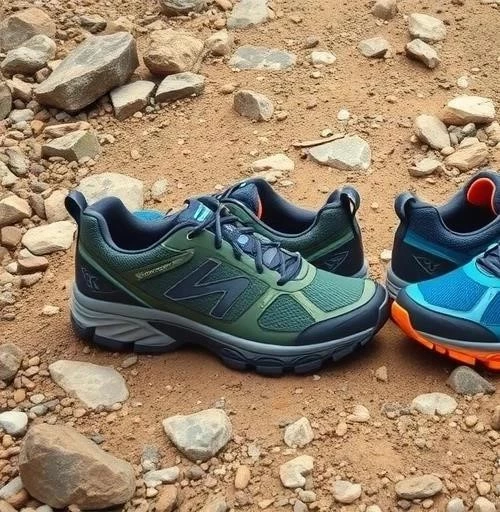
Trail shoes for wide feet turn every path into a fresh map: Saucony Peregrine Wide, Saucony Xodus Ultra Wide, Saucony Ride TR, Saucony Excursion TR, and Saucony Canyon TR invite a fit-first adventure, where room to roam matters as much as the wild route ahead today!
Begin with the Footprint: Compare the wide last, shoe width, fit, Saucony size chart, and toe-box room in the Saucony Peregrine Wide and Saucony Xodus Ultra Wide.
Think of a wide last as a tiny landscape architect: it decides whether toes can spread naturally or must queue at the trailhead. The Saucony Peregrine Wide and Saucony Xodus Ultra Wide both make width part of the design conversation, but “wide” is not a universal promise of identical fit. Compare each shoe on your own foot, because forefoot shape, instep height, and heel volume can change the feeling dramatically. For трейловые кроссовки для широкой стопы, the useful question is not simply how broad the shoe sounds, but where that breadth appears.
Start with the Saucony size chart, then treat it as a compass rather than a verdict: measure both feet late in the day and use the larger measurement. Check the marked shoe width and полнота обуви, but also notice how the upper holds the midfoot. A roomy front paired with a secure middle can feel very different from a uniformly loose fit. During a try-on, stand, bend your knees, and let your toes fan out; the ideal посадка по ширине feels calm, not pinched or swimmy. Leave запас в носочной части so toes have breathing room, while keeping the heel settled. Compare the Peregrine Wide and Xodus Ultra Wide in the same size and socks, and give each foot a few minutes to reveal pressure points. A paper outline can help: trace your foot, mark its widest point, and compare that small map with each shoe’s interior. This is a fit experiment, not a race to choose the roomiest label. Let your foot, not the name, make the final call.
Meet the Trail Lineup: Set the Saucony Peregrine Wide and Saucony Xodus Ultra Wide alongside the Saucony Ride TR, Saucony Excursion TR, and Saucony Canyon TR—while checking which models offer a genuinely roomy fit.
Think of Saucony’s trail lineup as a small expedition cast, each shoe gets a different role, but only a try-on reveals whether it earns a place on a wide-footed team. Saucony Peregrine Wide and Saucony Xodus Ultra Wide arrive with wide-fit intent; Saucony Ride TR, Saucony Excursion TR, and Saucony Canyon TR broaden the comparison, not necessarily the interior. A model name is a clue, never a guarantee.
Now stage the audition: choose one candidate at a time, wear the socks you normally run in, and compare how much space the forefoot seems to offer. The Peregrine Wide and Xodus Ultra Wide are purposeful starting points; the Ride TR, Excursion TR, and Canyon TR are useful counterpoints, not automatic wide-fit equivalents. Check product listings for an explicitly offered width, since availability may differ by model, year, and market. Ask shop staff to confirm the exact version before deciding.
Think of the five names as invitations, not verdicts: a true wide option should feel naturally accommodating, while a standard fit that only works after loosening every lace may be a compromise. Compare the actual pair on both feet, and trust the shoe that welcomes your foot without asking it to negotiate. Your shortlist should record model, stated width, and your own fit impression; that simple field note is more useful than a star rating alone.
Trust fit, not names alone.
Let the Terrain Decide: Compare grip on dirt, trail outsole design, rock protection, and stability on uneven ground for different kinds of off-road running.
Let the surface write the test. On packed dirt, a trail outsole needs dependable contact, not an aggressively toothy pattern that feels clumsy on hard ground. Loose soil asks for lugs that can bite and release; sticky mud rewards open spacing that sheds debris instead of carrying a miniature garden uphill. Compare the shape, depth, and arrangement of each shoe’s tread, and remember that the same pattern can behave differently as ground changes.
Rocky routes add another question: what stands between sharp edges and your foot? A protective layer or reinforced zone can soften encounters with scattered stones, while a flexible sole may let more trail detail through. Neither approach wins everywhere. For gravel, roots, and broken paths, look for a balanced platform that bends with the route but does not feel easily twisted underfoot. Saucony models may vary by version, so inspect the exact outsole rather than relying on a familiar name or old photograph.
Stability is a conversation between tread and terrain. On uneven ground, broad contact and well-placed lugs can help a shoe settle; on slanted, slippery sections, even the boldest pattern cannot replace deliberate foot placement. Imagine testing shoes on three tiny landscapes: a dusty turn, a damp climb, and a stone-strewn descent. Notice whether the outsole grips, clears, and releases without surprise. Choose for the routes you actually run, not an imaginary trail that is always perfect. A useful field note records the surface, conditions, and how confidently each step landed. The ground is the final judge; let every stride submit its evidence.
Choose for the Long Haul: Weigh cushioning, heel-to-toe drop, shoe weight, long-run comfort, and runner reviews to find the right Saucony trail shoes for wide feet.
Long runs are quiet negotiations: cushioning should soften repeated impact without making each step feel disconnected. Compare how the midsole responds after several miles, not only during a quick shop-floor bounce. A forgiving ride can feel welcome on hard-packed routes, while a firmer sensation may suit runners who prefer clear feedback. The right choice is the one your legs still trust when the scenery stops being charming.
Treat heel-to-toe drop as a steering angle, not a verdict: it can alter how a familiar stride feels, so compare the listed figure with your natural rhythm. Weight becomes noticeable on climbs, when tired legs bargain with gravity; the best number is not always the lightest shoe, but the one that stays composed. Read runner reviews as trail postcards: sort notes by distance, pace, and foot shape, then look for repeated comfort patterns rather than one dramatic verdict. A review is a clue, not a fitting room.
For a long outing, test your pick on a brief loop after sunrise and notice whether comfort holds after the first hour. Notice pressure, hot spots, and whether the ride still feels kind as your attention wanders. That small experiment beats choosing by a spec sheet alone. Pick shoes that let each step forget gear: cushioning, drop, and weight become calm companions, carrying you home comfortably and inviting another mile tomorrow.
6 Comments. Оставить новый
The best detail is the suggestion to try shoes later in the day, when feet may be a little fuller. It’s a small adjustment that could spare a big mid-hike regret.
A thoughtful fit guide with a nice dose of trail-side imagination. I appreciate the gentle nudge to let the foot make the final call—labels are signposts, not the destination.
This advice treats feet as individuals, not standardized measurements. The distinction between a roomy toe box and a secure midfoot is especially useful for anyone who has found “wide” shoes oddly narrow in the wrong spot.
The paper-outline idea is delightfully low-tech, like making a trail map before setting off. It gives readers a concrete way to compare fit instead of relying on guesswork.
I like how this turns shoe shopping into a small investigation rather than a hunt for one magic “wide” label. The reminder to compare the same socks and size is practical—and refreshingly human.
The “tiny landscape architect” image gives width a memorable twist. It captures the real point beautifully: a shoe should make room in the right places, not merely wear a generous label.