
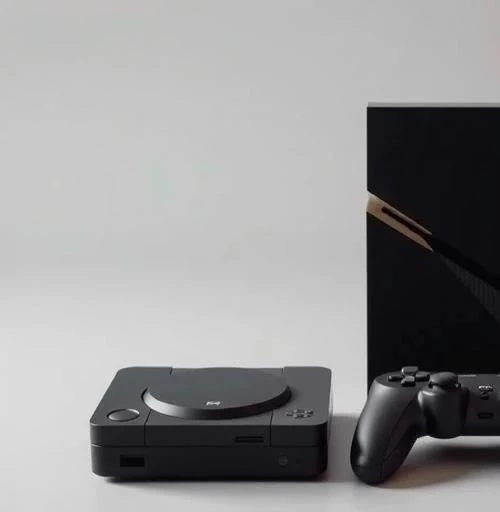
The original PlayStation 4 and the PlayStation 4 Slim play the same library of PS4 games‚ but they differ in size‚ power use‚ connectivity and design․ The Slim is a later‚ smaller revision of the standard console—not a more powerful generation․ For most buyers‚ the choice comes down to price‚ condition and the features needed for a particular setup․
In brief
- Choose the PS4 Slim for a compact‚ newer design‚ lower power consumption and generally quieter operation․
- Choose the original PS4 if it is substantially cheaper‚ is in good condition‚ or you need its optical audio output on a compatible model․
- Expect similar game performance from both․ Neither console is a PS4 Pro‚ and neither offers native 4K gaming․
Performance and games
The Slim uses essentially the same core hardware as the standard PS4: a custom AMD processor‚ the same graphics capability and 8 GB of GDDR5 memory․ In normal play‚ the two consoles target the same resolutions and frame rates․ A game does not become smoother or look noticeably better simply because it is running on a Slim․
Both systems can play the large majority of PS4 titles‚ use the same PlayStation Network ecosystem and support the same standard PS4 accessories․ They also offer the same basic storage choices‚ commonly 500 GB or 1 TB‚ depending on the particular model․ Storage can be upgraded‚ and external USB drives can be used for games․ Actual available space is lower than the advertised capacity because the system software also uses storage․
Neither model should be confused with the PlayStation 4 Pro․ The Pro has more powerful graphics hardware and can improve resolution or performance in games designed to use it․ The original PS4 and Slim are standard PS4 models‚ so buyers seeking the best possible PS4 image quality should compare the Pro separately․
Size‚ design and noise
The most obvious difference is the Slim’s smaller enclosure․ It takes up less room in a TV cabinet and is easier to fit into a compact setup․ The Slim also has rounded edges and a matte finish․ The original model has a larger‚ more angular case‚ with a split glossy-and-matte appearance on many versions․ Exact dimensions and weight vary by hardware revision‚ but the Slim is generally lighter and more convenient to move․
The Slim is also typically more power-efficient than the launch-era PS4․ Lower power consumption can mean less heat and‚ in many cases‚ less fan noise․ However‚ noise is affected by more than the model name: dust‚ room temperature‚ ventilation‚ age and fan condition all matter․ A clean‚ well-maintained original console may be quieter than a poorly cared-for Slim․ When buying used‚ test the system during a demanding game and listen for unusually loud or uneven fan noise․
Ports and wireless connections
Both consoles provide HDMI for video and audio‚ Ethernet for wired networking‚ USB ports and a camera connection․ The Slim has two USB ports on the front․ The original model’s port layout depends on its revision; later revisions can differ from the launch version‚ so it is sensible to inspect the actual console rather than rely on a generic specification․
A notable difference is optical digital audio․ Some original PS4 versions include an optical audio output‚ which can be useful with certain sound systems or headsets․ The Slim removes this port․ If a receiver or audio device depends on optical input‚ check compatibility before choosing the Slim․ HDMI audio extraction or a compatible television may provide alternatives‚ but they can require extra equipment or configuration․
The Slim supports newer wireless networking features than the launch PS4‚ including 802․11ac Wi-Fi․ This may help in a suitable network environment‚ although real-world speed depends on the router‚ signal strength‚ interference and internet service․ Both models can also connect through Ethernet‚ which is often the more reliable choice for downloads and online play․
Video and entertainment
Both standard PS4 models output games over HDMI and support high-dynamic-range content in compatible games and displays through system software updates․ Neither is an Ultra HD Blu-ray player‚ and neither provides native 4K game rendering․ Some streaming applications may offer video options that depend on the service and display‚ but that does not make either console equivalent to a 4K gaming system․
Both use a standard Blu-ray drive for PS4 game discs and Blu-ray films‚ as well as a DVD playback feature․ Disc-based games still require installation and updates‚ and the disc generally needs to be inserted to play․ A buyer interested in UHD Blu-ray movies should consider a different device․
Price‚ age and condition
Because both consoles are older products‚ availability and price depend largely on the second-hand market․ A low price is not automatically a good deal: the controller‚ power cable‚ HDMI cable‚ storage capacity and overall condition all affect value․ Compare complete bundles with similar bundles‚ and check whether the controller has stick drift‚ whether the disc drive reads discs reliably‚ and whether the console connects to the internet․
Ask the seller to demonstrate a game‚ the HDMI output‚ the wireless connection and the disc drive․ Confirm that the console has been reset and is not subject to an account or parental-control restriction․ If possible‚ check the model number on the case: revisions can differ in ports‚ weight and power requirements․ A warranty or return period can be valuable when buying a used system․
Which one should you buy?
For most people choosing between two similarly priced systems in comparable condition‚ the PS4 Slim is the more practical option․ It is smaller‚ usually uses less power‚ supports newer Wi-Fi and is often a newer unit․ These advantages improve convenience‚ even though they do not substantially change the games themselves․
The original PS4 remains a reasonable choice when it costs less‚ has been properly maintained or offers a feature required by the setup—particularly optical audio on versions that include it․ If it is noticeably cheaper and works correctly‚ its larger size does not prevent it from playing the same PS4 games․
Bottom line: the Slim is generally preferable for a compact everyday console‚ while the original PS4 can be the better value when bought at a lower price or when its specific ports matter․ Compare the actual units‚ not just their names: condition‚ included accessories‚ storage and price may matter more than the modest differences between these two standard PS4 models․


7 Comments. Оставить новый
I found the section about game performance informative. It makes clear that both standard PS4 models offer broadly similar gameplay.
The article gives a practical overview of the main differences, including size, power use, and connectivity. Its focus on price and condition is helpful.
The comparison clearly explains that the Slim is a revision of the original PS4 rather than a performance upgrade. This distinction is useful for buyers choosing between the two.
The article balances the advantages of the Slim with reasons someone might still choose the original model. It avoids suggesting that one is best for every buyer.
This is a straightforward guide for someone considering a used PS4. The practical points about storage and model differences are relevant.
The distinction between the standard PS4 models and the PS4 Pro is useful context, especially for readers comparing console performance.
The opening summary makes the key takeaway easy to understand: the Slim is smaller, while gaming performance remains similar. The comparison is concise and useful.