
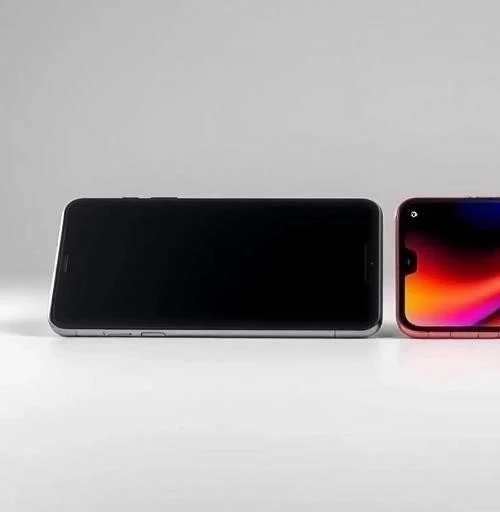
There is no universal winner in the Xiaomi-versus-iPhone debate. The better choice depends on what you value: price, freedom and hardware variety, or a polished ecosystem and long-term simplicity. It is also important to compare specific models, not just brand names: Xiaomi sells phones at many price points, while Apple’s iPhones occupy the premium end of the market.
Price and value
Xiaomi usually offers more hardware for the money. Its range includes affordable phones as well as high-end models, often with fast charging, large displays and generous specifications. That makes the brand attractive if you want strong everyday performance without paying flagship prices. However, specifications alone do not guarantee a better experience. Software support, camera processing and the quality of a particular model matter too.
iPhones generally cost more, but their value is not limited to the components inside. Apple combines hardware, iOS, customer support and connected services into one product. iPhones also tend to retain resale value well. If you keep a phone for years or plan to sell it later, the higher purchase price may be easier to justify.
Software and ease of use
iOS is a strong choice for people who want a consistent, straightforward experience. Apple controls both the phone and its operating system, which helps apps and services work smoothly together. Long software support is another advantage, although exact update periods depend on the model and Apple’s policy.
Xiaomi’s Android-based software offers more room to customize the interface and manage how the phone works. Android also makes it easier to choose among devices, services and accessories from different companies. The trade-off is that software features and update schedules can vary across Xiaomi models and regions. Before buying, check the support commitment for the exact phone—not merely the brand.
Camera, performance and battery
Neither logo guarantees the best camera. Xiaomi’s top models can offer capable sensors and flexible camera hardware, while iPhones are often valued for dependable video, natural-looking results and consistent performance across apps. For photos, compare real samples from the models you are considering, including indoor shots and moving subjects.
Both brands make fast phones, but a benchmark score does not tell the whole story. Gaming, heat, battery life and charging speed are more useful in everyday life. Xiaomi often emphasizes fast charging; iPhone owners may prefer Apple’s smooth integration with other devices. Results differ by model, so compare independent tests rather than assuming every Xiaomi or iPhone performs alike.
Verdict
Choose Xiaomi if getting the most features for your budget, faster charging, Android flexibility or a wide choice of prices matters most. Choose iPhone if you value iOS, long-term consistency, video quality, resale value or already use a Mac, iPad or Apple Watch. In short, Xiaomi is often the stronger value; iPhone is often the simpler, more cohesive premium choice. Set your budget, list your priorities, then compare two specific models using reliable tests and prices in your region. That is a better guide than brand loyalty.


8 Comments. Оставить новый
The discussion of long-term value is a useful reminder to look beyond the purchase price. Keeping a phone for several years or reselling it later can change which option is more economical.
I like that the article presents Android flexibility and iOS consistency as trade-offs rather than declaring one universally better. The right choice depends on how much control or simplicity a buyer wants.
The article makes a useful point that comparing brands alone can be misleading. Xiaomi and Apple sell phones for different budgets, so comparing specific models is a more reliable way to judge value.
The article avoids treating specifications as the whole story. Camera results, software support and day-to-day reliability can matter more than a long list of hardware features.
The software comparison is especially helpful because customization and simplicity are different priorities. It also rightly notes that update support can vary by model, so buyers should check the exact device.
I appreciate the balanced discussion of price. Xiaomi can offer impressive hardware for less, while an iPhone’s resale value and integrated services may help justify its higher upfront cost.
This is a sensible overview for someone choosing between the two ecosystems. I would also consider which services and accessories I already use, since switching platforms can affect the overall experience.
A practical and even-handed comparison. The strongest next step for readers would be to compare phones in the same price range and check the specific models’ update policies, camera performance and battery life.