
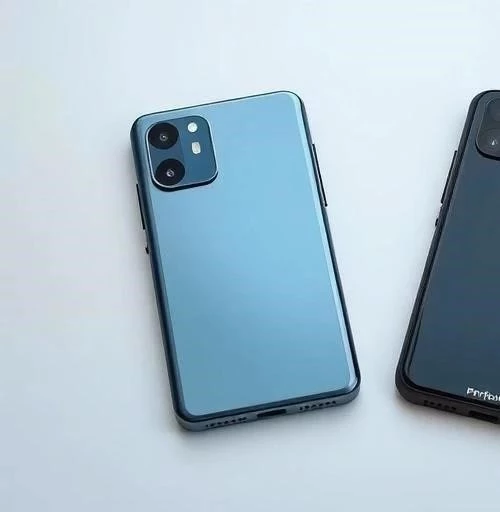
There is no universal winner between Oppo and Xiaomi. Both make capable Android phones, but their line-ups cover different budgets and priorities, and the best choice depends on the exact models available where you live. In broad terms, Oppo is often a strong fit for people who value polished design, portraits and a straightforward everyday experience. Xiaomi is frequently attractive to shoppers seeking high specifications, fast performance or more choice for their money. These are useful starting points, not guarantees: compare the particular phones, not just the logos.
At a glance
- Choose Oppo if you care most about a refined feel, portrait photography, charging convenience and a clean, approachable interface;
- Choose Xiaomi if you want a broad selection, strong hardware for the price, gaming options or more control over features and settings.
- Compare individual models for camera quality, battery life, update support, local price and network compatibility. These details can outweigh brand-level tendencies.
Price and choice
Xiaomi offers phones across a particularly wide range of prices. Its main line sits alongside Redmi and Poco devices, which can make it easier to find a phone focused on affordability, battery life or gaming performance. The trade-off is that the names and specifications can be confusing: two phones at a similar price may differ substantially in cameras, screen quality, materials and update promises. Check the full model name and regional version before buying.
Oppo also sells budget and premium devices, with A-series, Reno and Find families in many markets. Its mid-range Reno models often emphasize appearance, display quality and camera features, while Find models occupy the premium segment where available. Oppo may cost more than a similarly specified Xiaomi or Redmi, but the comparison should include the whole experience rather than processor numbers alone. Promotions and local availability can change which brand is better value.
Performance and gaming
For everyday tasks—messaging, browsing, video and navigation—both brands offer plenty of capable phones. For games and demanding apps, compare the chipset, cooling system, memory, storage type and screen refresh rate. Xiaomi and Poco frequently market performance-focused models, so they can be appealing to gamers on a budget. Still, a powerful processor does not guarantee sustained speed: heat management and software optimization matter too.
Oppo’s premium phones can be fast as well, and many users will notice little difference in ordinary use. When comparing two candidates, look for independent tests of sustained performance and battery drain rather than relying on a benchmark score or a “gaming” label. Also check storage capacity: some phones do not support a memory card, and large games can quickly fill a smaller drive.
Cameras
Oppo has built a reputation around portrait-friendly processing and camera tools that aim to make people look natural and pleasing. This can suit users who take lots of portraits or want attractive results without editing. Xiaomi ranges from simple camera systems on entry-level models to versatile multi-camera setups on higher-end phones. A larger megapixel count, however, does not automatically mean a better picture.
For a fair camera comparison, examine sample photos taken in daylight, indoors and at night. Check whether the ultrawide camera is useful, whether the phone has a genuine optical zoom lens, and how stable its video looks. Front-camera quality and skin-tone processing may matter more to frequent video callers than a headline sensor specification. Reviews of the exact model are more reliable than assumptions about either brand.
Battery and charging
Both companies sell phones with large batteries and fast wired charging, but charging speeds and included accessories differ by model and country. Oppo’s SuperVOOC branding and Xiaomi’s fast-charging systems can make a short top-up very convenient when the phone and charger support the advertised rate. A fast charger may not be included in every box, and using a compatible charger is important to reach the maximum speed.
Battery capacity alone does not tell you how long a phone lasts. Screen brightness, processor efficiency, mobile signal and software all affect endurance. Look for real-world tests, and check whether wireless charging is available if that matters to you; it is more common on some premium models than on budget devices. A slightly slower-charging phone with better endurance may be the more practical choice.
Software, updates and daily use
Oppo uses ColorOS, while Xiaomi phones use HyperOS. Both are Android-based interfaces with customization options, useful built-in tools and features that vary by model and region. The look and feel are subjective: try each interface in a shop if possible. Consider preinstalled apps, notifications, privacy controls and how easily you can transfer data from your current phone. Advertising or promotional content can also vary between devices and markets.
Do not assume every phone from one brand receives longer support than every phone from the other. Update periods depend on the specific model, launch date and local policy. Before purchasing, confirm the promised Android-version upgrades and security-update period on the manufacturer’s regional website. If you keep a phone for several years, reliable updates and repair options may be more valuable than a small advantage in camera resolution or charging speed.
Build, display and practical details
Both brands offer bright OLED displays on many mid-range and premium phones, alongside more affordable LCD options. Compare brightness outdoors, refresh rate, color settings and screen protection rather than judging from the technology name alone. Materials and water resistance also vary widely. A protective case can help, but it does not replace an official water-resistance rating.
Before paying, verify 5G and LTE band support for your carrier, the number of SIMs, NFC availability for contactless payments, and whether the phone has a headphone jack or expandable storage. These small details differ by model and country. Check warranty coverage, service-center access and the seller’s return policy, particularly when buying an imported version.
Which should you buy?
Oppo is likely the better choice if you find a well-reviewed model at a competitive price and prioritize attractive portraits, a polished design, comfortable everyday software or convenient fast charging. Xiaomi is likely the better choice if its particular model gives you stronger performance, a more capable display or storage, or better specifications for your budget. For gaming, compare Xiaomi and Poco candidates carefully; for portraits, compare Oppo Reno candidates with Xiaomi’s alternatives at the same price.
The sensible verdict is not “Oppo always wins” or “Xiaomi is always cheaper and better.” Choose two phones in your budget, then compare their cameras, battery tests, update promises, warranty, storage and total price. If one has a feature you will use every day, that can be worth more than a longer specification sheet. The right phone is the one that fits your needs and is supported well in your region.
2 Comments. Оставить новый
I appreciate the balanced take: neither brand is automatically better for everyone. A side-by-side comparison of camera performance, battery life, and update commitments would make the advice even more practical.
This is a helpful brand-level comparison, especially the reminder to check specific models and regional versions. Software-update support and local pricing are also worth weighing before making a decision.