
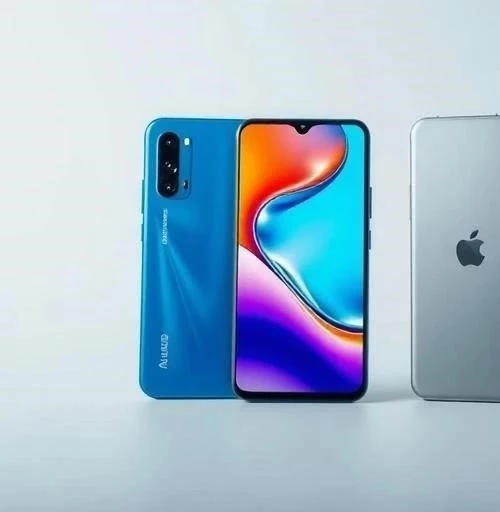
There is no universal winner between Realme and Xiaomi. Both brands offer phones across several price ranges, and the difference between two specific models can matter more than the name on the back; Still, their usual strengths can help you decide: Realme is often appealing when you want strong specifications for the price and a straightforward, youthful design, while Xiaomi tends to offer a broader choice of devices and features. The sensible answer is to compare models in the same price bracket, rather than assume that one brand is always better.
Price and value
Realme has built much of its appeal around delivering a persuasive set of features at a competitive price. Depending on the market and model, that may mean a fast screen, rapid charging, or capable everyday performance without moving into a higher price category. This makes Realme worth considering if your budget is fixed and you want the strongest specification you can get for it.
Xiaomi also competes aggressively on value, but its larger family of phones can make comparisons less simple. Entry-level Redmi devices, mid-range Redmi Note models, and premium Xiaomi phones serve different buyers. A discounted Xiaomi can be a better deal than a Realme at its original price, while a Realme may offer more for the money when both are sold at full price. Compare the actual local prices, storage configurations, and warranty terms before deciding.
Performance and battery life
For messaging, browsing, video, navigation, and routine apps, a recent phone from either brand should be adequate if it has a suitable processor and enough memory. For gaming or demanding multitasking, check independent reviews of the exact model: processor names alone do not show how well a phone handles heat, sustained workloads, or power consumption. A device that scores highly in a short test may slow down during a long gaming session.
Battery capacity is only part of the story. Screen size, software efficiency, network reception, and your own habits affect how long a charge lasts. Realme and Xiaomi both sell models with fast charging, but charging speeds and included accessories vary by device and region. If quick top-ups matter to you, verify the supported speed and whether the charger comes in the box. Do not choose a phone on charging claims alone; reliable all-day endurance is usually more useful.
Cameras and displays
Marketing descriptions such as “high megapixel” do not guarantee better photos. Image processing, lens quality, stabilization, and performance in low light are just as important. Some Xiaomi models provide versatile camera systems, especially higher-priced ones, but that does not mean every Xiaomi takes better pictures than every Realme. Compare sample photos and video from the exact models you are considering, paying attention to skin tones, moving subjects, night scenes, and the front camera if you use it often.
The same model-by-model approach applies to screens. Refresh rate, brightness outdoors, color accuracy, and readability matter more than a single headline specification. If possible, view the phones in person. A bright, comfortable display can improve daily use more than a small performance advantage that you may never notice.
Software, updates, and everyday use
Software can be the deciding factor because you interact with it every day. Interface layout, pre-installed apps, notifications, customization, and update policies differ between models and may also vary by country. Both brands have changed their software over time, so old impressions are not a reliable guide to a newly released device. Before purchasing, check how long that specific phone is promised to receive security updates and major operating-system upgrades. Longer, dependable support can make a phone better value even if its initial price is slightly higher.
Also inspect practical details: available storage, microSD support if needed, NFC, water resistance, speaker quality, eSIM availability, and compatibility with your mobile carrier. Features can be omitted on cheaper versions or vary between regional editions. A specification sheet and the seller’s return policy are worth checking before you commit.
So, which should you buy?
- Choose Realme if a particular model offers the best combination of price, speed, battery, and charging for your needs.
- Choose Xiaomi if its specific model gives you a better camera, screen, feature set, update commitment, or sale price.
- Choose neither by brand alone: compare two or three similarly priced phones and read reviews that test real-world performance.
Verdict: Realme may be the better buy for a value-focused shopper, while Xiaomi may suit someone seeking more choice or a particular camera and feature combination. But these are tendencies, not guarantees. The best phone is the model that performs well in independent tests, receives adequate software support, fits your budget, and has the features you will actually use. Compare exact models and local prices; that evidence is more useful than declaring either brand the winner.


9 Comments. Оставить новый
The advice to compare specific models rather than judge by brand is the most useful point here. Realme and Xiaomi both cover several price tiers, so a direct comparison of similarly priced phones is more reliable than a general brand preference.
I like the practical approach to battery life: capacity by itself does not tell the whole story. Screen size and software efficiency also affect endurance, so real-world testing is more informative than comparing battery numbers alone.
This comparison is useful because it focuses on trade-offs rather than brand loyalty. I would use the model-specific review advice alongside local pricing and warranty information to make a decision suited to my own needs.
The performance section makes a worthwhile distinction between short benchmark results and sustained use. Heat management matters especially for gaming, and reviews of the exact model can reveal limitations that processor specifications alone do not.
It is helpful that the article considers storage configurations as well as headline prices. Two phones with similar names can differ substantially in memory and storage, so checking the exact version is essential before deciding which is the better deal.
The point that everyday use and demanding workloads call for different comparisons is well made. Many buyers may be satisfied with either brand for routine tasks, but gamers should pay closer attention to sustained performance and heat.
The article gives readers a sensible framework without overclaiming that one brand is always better. Comparing phones in the same budget range, including their actual sale prices, should lead to a more relevant choice.
This is a balanced comparison because it avoids treating either company as the automatic winner. Xiaomi’s broader range can offer more choice, while Realme may be appealing at a particular price; the right answer depends on the models being compared.
I appreciate the reminder to check local prices and warranty terms. A phone that looks like better value on paper may be less attractive if its configuration costs more in your region or support is limited.