
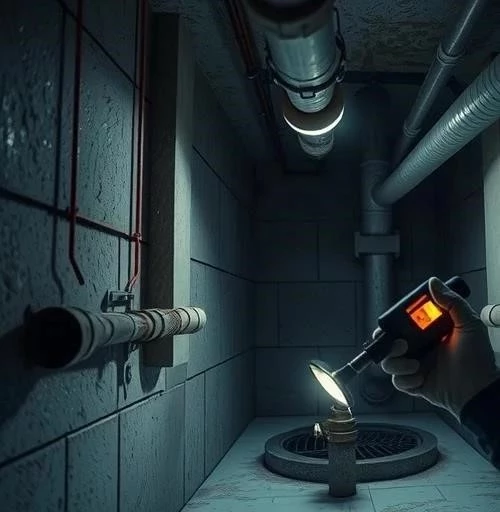
High humidity challenges every sewerage system. Moist air encourages condensation on pipes, corrosion, mold and musty odors, while hidden leaks can damage walls and floors. A reliable installation starts with a survey: identify cold surfaces, inspect existing connections, and check drainage, ventilation and access before work begins.
Choose materials for the environment
Use moisture-resistant materials and pipes with suitable corrosion resistance. PVC pipes and polypropylene pipes are lightweight, smooth inside and resistant to many household chemicals, making them common choices for indoor work. Cast-iron pipes can reduce noise and offer strength, but joints and surfaces need careful inspection. Match each material to the building, load and local sanitary standards rather than choosing by price alone.
Install with precision
Professional sewer installation depends on a continuous, correct pipe slope: too little encourages blockages; too much can leave solids behind as water runs ahead. Secure the sewer riser firmly and avoid unnecessary bends. Make joint sealing a priority, using compatible fittings and seals. Test every connection with water before closing walls. Waterproofing around pipes and sleeves helps protect floors and partitions, but it is not a substitute for fixing a leak.
In cold or unheated areas, insulate sewer pipes to limit freezing and temperature swings. Insulation can also reduce condensation on pipes, but keep joints inspectable. Provide sewer ventilation so pressure changes do not empty traps or force sewer odors indoors. Traps (siphons) should retain water; a backwater valve can help prevent sewage from flowing back during a drain backup.
Basements, access and maintenance
Basement sewerage needs special planning. Check the drainage system, groundwater risks and the route to the main outlet; where gravity drainage is impossible, a suitable pump may be needed. Install an accessible inspection hatch at key bends and on the riser. Never hide service points behind permanent finishes. Prompt leak repair prevents dampness and mold, which may threaten both building materials and indoor air quality.
Preventive measures are simpler than emergency plumbing work: keep grease, wipes and debris out of drains, clean traps, and inspect joints and supports periodically. If odors persist, look for a dry trap, blocked ventilation or a failed seal instead of masking the smell. Scheduled sewerage-system maintenance helps spot problems early and extends pipeline durability.
When to call a professional
Complex rerouting, recurring blockages, backflow and concealed leaks call for professional installation or qualified plumbing work; A specialist can verify pipe slope, ventilation, waterproofing and compliance with sanitary standards. In a humid building, good materials, sound detailing and regular checks work together: no single coating can replace correct design and careful installation.

7 Comments. Оставить новый
The article does a nice job connecting insulation with both freezing risks and condensation. Those details are especially useful in colder or unheated spaces.
The explanation of pipe slope is clear and practical. It shows why professional installation matters for preventing recurring blockages.
I’m glad sewer ventilation and water-filled traps are included. They are easy to overlook, even though they play a big role in keeping odors out of a home.
The emphasis on surveying the system before installation is important. Finding cold surfaces and existing connection issues early can prevent costly repairs later.
Good point about testing joints before walls are closed. Keeping connections accessible during inspection can save a lot of trouble.
The basement planning advice is useful, particularly the reminder to consider groundwater, drainage routes, and access for maintenance.
This is a helpful overview of how to choose pipe materials. I appreciate the reminder to consider building requirements and local standards rather than focusing only on price.