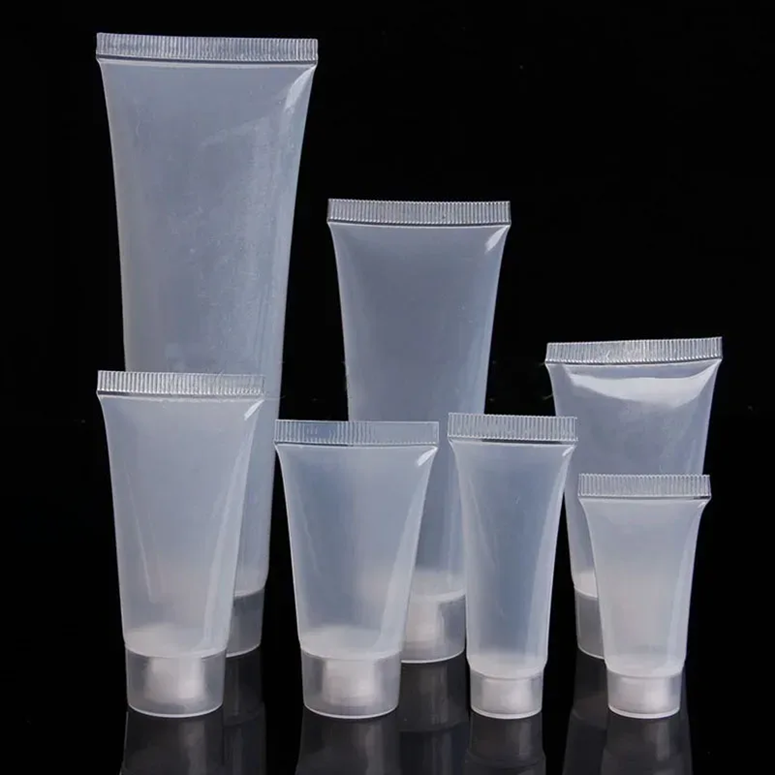
The material used for a cosmetic tube influences far more than the package’s appearance. It determines how easily the tube can be squeezed, how well the formula is protected, whether the body returns to shape, and how the package performs during filling and transportation.
Material selection is therefore both a technical and commercial decision. Brands must balance formula compatibility, visual positioning, cost, sustainability, and consumer expectations.
Start With Formula Protection
Every cosmetic formula interacts with its packaging.
Oils, alcohol, fragrance, acids, active ingredients, essential oils, and colorants may migrate through or react with certain materials. Oxygen and moisture can also move through the tube wall and affect the product over time.
A stable cleanser may only require a standard polyethylene tube. An active skincare formula may need a multi-layer structure with stronger oxygen or light protection.
The material should be selected only after reviewing the formula and conducting compatibility testing with filled samples.
LDPE and HDPE
Low-density polyethylene and high-density polyethylene are the main materials used in extrusion tubes.
LDPE produces a soft and flexible tube. It is suitable for thick creams and products that need to be dispensed with light hand pressure.
HDPE creates a firmer structure and supports stronger shape retention. It can help larger tubes remain stable when standing on their caps.
Many cosmetic tubes combine the two materials. Adjusting their ratio allows the manufacturer to change the squeeze feel without completely redesigning the package.
PE can be colored, made translucent, or decorated with several printing and finishing methods.
Mono-Layer and Multi-Layer PE
A mono-layer tube consists mainly of one continuous material layer. It offers a simple structure and may support recycling-oriented designs when compatible shoulders and closures are used.
Multi-layer PE tubes are created through co-extrusion. Different layers may provide stiffness, softness, barrier properties, or a place for recycled content.
A barrier material such as EVOH may be included to reduce oxygen transmission. Tie layers are then used to bond materials that would not otherwise adhere properly.
Multi-layer construction can improve product protection but may make the recycling pathway more complicated.
ABL for High-Barrier Applications
Aluminum barrier laminate contains a thin aluminum layer between plastic and adhesive layers.
It offers strong resistance to oxygen, moisture, light, and aroma transfer. This structure is commonly used for medicated creams, oral care, hair color, ointments, and highly sensitive formulations.
ABL develops visible folds as the package is used. This behavior can limit the amount of air entering the tube, but it may not match the smooth appearance expected in some premium beauty categories.
The mixed aluminum-plastic structure is also difficult to process in many recycling systems.
PBL for Appearance and Protection
Plastic barrier laminate replaces the aluminum layer with a plastic-based barrier.
It provides a smoother surface and better shape recovery than ABL. PBL is frequently used for facial care, premium skincare, hair treatments, and oral care.
The flat laminate web can support detailed graphics, gradients, and extensive print coverage before it is formed into a tube.
PBL may fit some recycling-oriented strategies better than ABL, but recyclability must be assessed using the complete structure rather than the barrier layer alone.
Recycled and Renewable Materials
PCR polyethylene reduces the amount of virgin plastic required. It can be used in selected layers or at different percentages depending on the packaging specification.
The material may show slight color or surface variation, particularly at higher recycled content levels. Brands should approve physical samples rather than assuming PCR will look identical to virgin PE.
Bio-based polyethylene is produced from renewable feedstocks but behaves similarly to conventional PE. It is not automatically biodegradable, although it may lower reliance on fossil-based raw materials.
Both options require documentation when environmental claims are made.
Closures and Applicators
The tube body is only one part of the material structure.
Closures are often made from polypropylene or polyethylene. Specialty applicators may include several plastics, elastomers, metal parts, or foam components.
A complex applicator can improve the user experience but make the full package more difficult to recycle.
Sustainability-focused development should therefore review the body, shoulder, closure, decoration, label, and applicator as one system.
When evaluatingASME tubes, buyers should ask for the complete material composition rather than only the name of the primary tube material.
Matching Materials to Product Types
Standard PE is appropriate for many cleansers, lotions, creams, and hair care products.
Multi-layer PE or PBL may suit formulas that need additional oxygen protection while retaining a conventional cosmetic appearance.
ABL is useful when high barrier performance is the main priority.
PCR and bio-based PE can support brands with measurable material-reduction or renewable-content goals.
The final selection should be confirmed through compatibility, aging, leakage, and transport testing.
Cosmetic tube materials involve trade-offs rather than a single best answer. The strongest packaging choice protects the formula, runs efficiently during filling, delivers the desired consumer experience, and aligns with realistic sustainability objectives.