
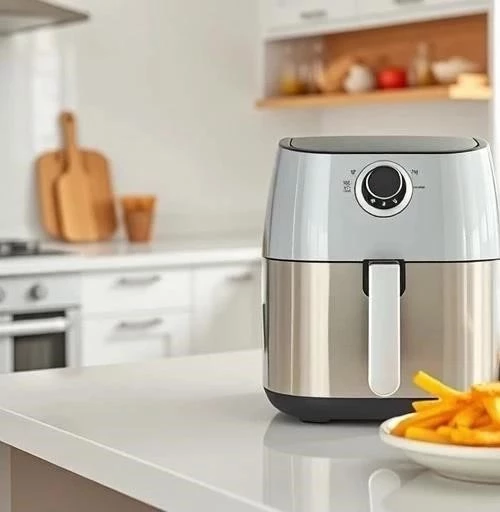
An air fryer promises a small miracle: crisp edges, less oil, and dinner without a bubbling pan of grease. But which company makes the best one? If you want a single, practical recommendation, Ninja is the strongest all-rounder for many households. That is not a universal crown: the best choice depends on how much you cook, how much counter space you have, and whether you want a simple basket or a miniature oven.
Best all-rounder: Ninja
Ninja’s appeal is its balance of performance, useful controls, and choice. Its range includes compact basket models as well as larger designs with two cooking zones, handy when the fries and vegetables need different temperatures. The extra flexibility is valuable for family meals, and the controls are usually approachable even if you have never air-fried anything but frozen snacks.
Choose Ninja if: you cook often, want straightforward results, or like the idea of preparing two foods at once. Think twice if: the model you want is bulky or its extra functions would mostly become decorative buttons.
Best for premium design: Philips
Philips helped popularize the air fryer and is a natural contender for cooks who value refined design and dependable everyday operation. Some models emphasize carefully managed airflow and convenient cooking programs. The trade-off is that a premium name can mean a premium price. Compare the actual basket size and features rather than assuming that the most expensive machine will make noticeably better chips.
Best value: Cosori
Cosori is often worth a look when you want a feature-rich appliance without automatically shopping at the top of the price range. Depending on the model and market, you may find roomy baskets, presets, and easy-to-read controls. Check the specific product’s dimensions, warranty, and cleaning guidance: brand ranges change, and not every feature appears on every machine.
Best for uncomplicated cooking: Instant
Instant Vortex models suit people who want to load the basket, choose a setting, and get on with the evening. The brand’s broader kitchen-appliance reputation also makes it familiar to many shoppers. Look closely at capacity and the shape of the cooking space; a number that sounds generous is less useful if your usual meal will not fit in a single layer.
Best if you want more than frying: Tefal
Tefal is worth considering when you want a versatile countertop cooker, not merely a drawer for crisping food. Some models combine air frying with other cooking functions or use a different cooking arrangement. That can save space if you will genuinely use the extras. If all you need is quick fries, a simpler basket model may be easier to store, clean, and operate.
The five-minute buying test
- Count mouths, not marketing claims. Match usable basket space to your usual portions. A crowded basket traps steam and can leave food soft.
- Measure the counter. Check the appliance’s width, height, and clearance needs, including room to open or pull out its drawer.
- Consider cleanup. Removable, dishwasher-safe parts can make the difference between a daily helper and a cupboard resident.
- Pick functions you will use. A second zone or oven-style layout is useful only if your meals benefit from it.
- Check local support. Confirm warranty terms, replacement parts, and the exact model sold in your country.
So, which firm is the best?
Start with Ninja for the best all-round balance. Choose Philips if you prefer a premium-feeling, straightforward appliance; compare Cosori for value; consider Instant for simple everyday cooking; and look at Tefal if extra functions matter. There is no magic logo that guarantees the crispiest dinner: basket shape, capacity, airflow, and how you load it all count.
The smartest purchase is the one that fits your kitchen and your real routine. If possible, compare two models side by side, check independent reviews for the exact model number, and imagine washing it after a Tuesday-night dinner. That small, unglamorous test may reveal more than any glossy photograph of golden fries.

2 Comments. Оставить новый
This guide wisely treats “best” as a kitchen-shaped question, not a trophy handed to one brand. The strongest advice is to compare the actual basket, footprint, and features instead of buying a logo’s promises. I’d love one extra compass point: a quick note on how many portions each size handles, since “family-sized” can mean very different things at dinner time.
The brand-by-brand tour feels like a row of appliance shop windows, each displaying a different kind of convenience. Its most useful reminder is that unused presets are just buttons in costume. A small comparison table for capacity, counter space, and cleanup would make the choices even easier to navigate—especially for readers whose kitchens have less room than ambition.