
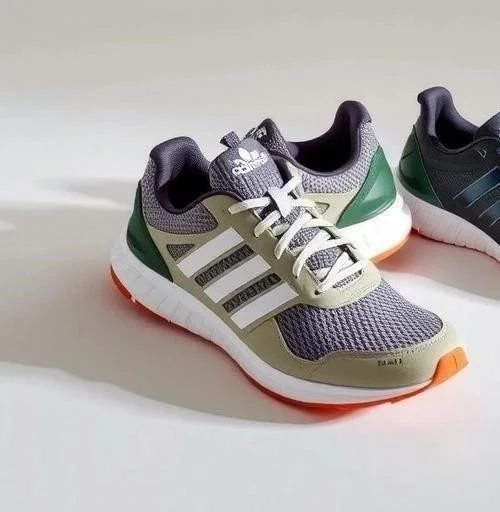
Why men’s Adidas running shoes are worth considering: Adidas for running should be judged by cushioning, foot support, running comfort, durability, and the price of men’s Adidas shoes—not by brand reputation alone.
Men’s Adidas running shoes deserve consideration, but the logo alone proves nothing. For Adidas for running, carefully assess cushioning, foot support, comfort while running, durability, and price together: a well-balanced pair can justify its cost too, while poor fit or weak support cannot.
Compare Adidas models by purpose: Adidas Ultraboost, Adidas Solarboost, and Adidas Supernova suit daily runs and long-distance running, while Adidas Adizero is built for tempo workouts; this comparison of Adidas models helps identify the best running models and the right training shoes.
The best choice depends on how you run because Adidas models can be designed for different training demands. For everyday mileage, Adidas Supernova is a sensible starting point: it offers a straightforward training feel without making each run feel like a race. That balance makes it suitable for daily runs when consistency matters more than chasing a fast split. For runners building weekly volume, Adidas Solarboost can be the more purposeful option, especially when a steady pace and repeatable sessions matter. Its role is not to win every comparison, but to serve runners who want a dependable partner for planned mileage. Adidas Ultraboost is often the comfort-led pick for daily runs and longer outings, appealing to runners who value a relaxed, enjoyable routine. That preference can make it attractive for long-distance running, though personal priorities should decide whether a comfort-first character suits your schedule. By contrast, Adidas Adizero is the sharper choice for tempo workouts, where a lighter, more responsive feel can help maintain purposeful pace. It is less about choosing the most famous name and more about selecting a shoe whose intended role matches the workout. This comparison of Adidas models is useful because the best running models are not interchangeable: each rewards a different kind of training. These are guideposts, not rigid rules; runners may prefer another model if its intended use better fits their routine. Think in terms of the sessions you actually complete, rather than buying for an imaginary race schedule.
Match the shoe to the route: shoes for asphalt running prioritize cushioning and a smooth ride, whereas Adidas Terrex trail-running shoes need reliable surface grip; the Boost midsole, Lightstrike midsole, Primeknit upper, and shoe weight each affect performance differently.
For road miles, men’s Adidas running shoes should deliver cushioning and a smooth transition across predictable pavement. Shoes for asphalt running benefit from a sole that softens repeated impact without feeling unstable; the best option is the one that stays comfortable at your usual pace and route. On uneven paths, Adidas Terrex trail-running shoes need secure surface grip, because loose soil, roots, and wet stones demand traction more than a sleek road feel.
A Boost midsole is generally associated with a springy, cushioned sensation, which can suit runners who want a lively ride on roads. Lightstrike midsole designs emphasize a lighter, firmer response, potentially preferable when nimble turnover matters; however, foam names alone cannot predict comfort on every foot. The Primeknit upper provides a flexible, close-fitting feel, while its suitability depends on weather, preference, and how securely it holds the foot. Likewise, shoe weight influences the sensation of effort, but a lighter shoe is not automatically better if its ride feels harsh or its grip is inadequate.
Choose by terrain, then judge the combination: cushioning for repetitive asphalt impact, grip for trails, and a ride that feels controlled on the surfaces you actually run. Choose by route: asphalt needs cushioning; trails need grip, so match shoes to terrain. This route-based approach makes the comparison useful: it links each construction feature to a real demand and avoids paying for technology that does not improve your runs.
Explain why fit matters as much as technology: check the Adidas size chart and focus on choosing shoe size, fit, and foot pronation, since appropriate support can improve comfort and help prevent avoidable discomfort.
Fit deserves as much attention as cushioning or any other feature because even a well-designed men’s Adidas running shoe may feel uncomfortable if it does not match your foot. Start with the Adidas size chart, but treat it as a guide rather than a guarantee: sizing can vary between models, and foot length alone does not describe width or shape. Measure both feet later in the day, when they may be slightly larger, and use the longer measurement when choosing shoe size. Leave enough room in front of the toes to avoid pressure, while ensuring the heel stays secure and the midfoot feels held without pinching.
During a fitting, wear the socks you normally run in and test both shoes. Walk, jog briefly, and check for rubbing, numbness, heel lift, or pressure along the sides; any persistent discomfort is a reason to reconsider the size or shape. Do not assume that sizing up always solves tightness, since excess length can let the foot slide and reduce control.
Foot pronation also matters, but it should not be treated as a diagnosis based on shoe wear alone. Notice whether you feel unstable or uncomfortable, and seek a professional assessment if concerns persist. Appropriate support should suit your movement rather than force the foot into an unfamiliar position. Therefore, the best choice is the pair that fits securely, accommodates your foot shape, and remains comfortable during a realistic test; technology cannot compensate for a poor fit. Fit is a practical requirement, not a luxury for daily mileage.
Reach a reasoned verdict using customer reviews and practical testing: weigh cushioning, foot support, surface grip, shoe weight, durability, and price against your running goals before deciding which Adidas model offers the best value.
A sound verdict comes from evidence that matches your needs, not from a star rating or a persuasive product description alone. Read customer reviews for recurring patterns: several runners reporting early wear, unstable support, or discomfort deserve more attention than one dramatic comment. At the same time, reviews reflect different feet, habits, and expectations, so treat them as clues rather than guarantees.
Whenever possible, test a pair in conditions close to your normal routine. Judge cushioning and foot support by how they feel after a realistic run, not only during a brief try-on. Consider surface grip where you actually train, and ask whether the shoe weight feels acceptable over your usual distance. Durability matters because a low initial price may be poor value if the shoes lose their useful performance quickly; a higher price can be reasonable if the pair serves your training reliably.
Set priorities before comparing options. A runner seeking comfort may value cushioning most, while another may place greater importance on support, grip, or a lighter feel. Then compare the price with the features you will genuinely use, rather than paying extra for benefits unrelated to your goals. The best value is therefore personal: it is the Adidas pair that performs consistently, feels suitable in practical testing, and offers an acceptable balance of comfort, durability, and cost. If reviews and your own test disagree, trust your experience, provided the test reflects your regular use. This evidence-based approach gives a stronger basis for choosing than reputation alone.
4 Comments. Оставить новый
This is a clear overview for runners deciding between everyday training and tempo workouts. I especially like that it presents the models as options for different needs rather than declaring a universal winner. Adding guidance for beginners choosing their first running shoe could make the article more comprehensive.
The balanced approach to price, durability, cushioning, and support keeps the discussion from becoming a brand endorsement. The model examples are helpful, although readers should still compare the specific versions available because features can differ between releases.
I appreciate the emphasis on matching a shoe to its intended training role. The comparisons give readers a reasonable starting point, while acknowledging that comfort and fit are personal. It would also be useful to mention trying shoes on, since specifications alone cannot predict how they will feel.
The article makes a useful distinction between comfort-focused daily shoes and lighter shoes intended for faster workouts. That is more helpful than treating one Adidas model as the best choice for every runner. A reminder to check fit and individual support would make the advice even more practical.