
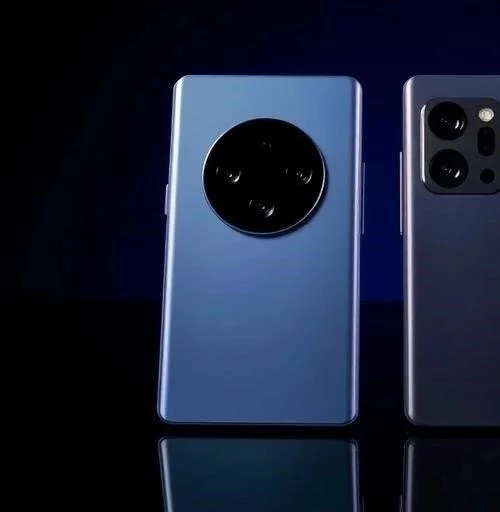
The Xiaomi 15 Ultra and iPhone 16 Pro Max are premium smartphones, but they suit different priorities. Xiaomi emphasizes camera versatility, fast charging and Android flexibility. Apple focuses on polished video tools, long-term software support and integration with its other devices. There is no universal winner: the better choice depends on how you use a phone and which ecosystem you prefer.
Design and display
Xiaomi’s 15 Ultra has a 6.73-inch AMOLED display with a sharp resolution and an adaptive refresh rate of up to 120 Hz. The iPhone’s 6.9-inch OLED screen also supports a 120 Hz adaptive refresh rate and offers more viewing area. Both are bright, smooth and well suited to video, games and everyday reading. The iPhone is larger; the Xiaomi may feel more manageable, though its camera housing is prominent. Materials, weight and available finishes vary by market.
Cameras and video
The Xiaomi is the more flexible still-photo system on paper; Its rear cameras include a high-resolution main sensor, an ultra-wide camera and two telephoto options, including a long-range periscope lens. That range makes it useful for portraits, distant subjects and varied framing. Image processing can produce a distinctive look, so results may depend on personal taste and shooting conditions.
The iPhone 16 Pro Max has a 48-megapixel main camera, a 48-megapixel ultra-wide camera and a 5× telephoto camera. It is especially strong for consistent point-and-shoot results and video capture, with reliable autofocus, stabilization and a broad set of recording features. Xiaomi also records capable video, but users who regularly edit footage or value a familiar, dependable workflow may prefer Apple. Neither phone guarantees better photos in every scene: lighting, settings and software processing matter.
Performance, battery and software
Xiaomi uses Qualcomm’s Snapdragon 8 Elite, while the iPhone runs Apple’s A18 Pro. Both provide flagship-level performance for demanding apps, multitasking and games. The practical difference is less about ordinary speed than app availability, operating-system preferences and how long each model receives updates. Xiaomi runs Android with Xiaomi’s software layer; the iPhone runs iOS. Check current regional update policies and compatibility before buying.
The Xiaomi generally has the advantage in charging speed, with fast wired and wireless charging supported; exact charging rates and battery capacity can vary between regional versions. The iPhone charges more slowly, but its battery life is competitive and can last through a full day for many users. Actual endurance depends on signal strength, screen settings, camera use and workload.
Price and ecosystem
Prices, promotions and availability change by country and retailer. Compare the exact storage configuration, warranty and local version rather than relying on launch prices. Xiaomi is a natural fit for Android users and people who want more camera hardware for their money. The iPhone makes particular sense for users already invested in Apple services, accessories and devices such as a Mac, Apple Watch or iPad. Moving between Android and iOS can also involve transferring data and replacing some apps or accessories.
Verdict
Choose the Xiaomi 15 Ultra if you value varied zoom options, ambitious photography hardware, Android customization and faster charging. Choose the iPhone 16 Pro Max if you prioritize polished video, straightforward camera results, iOS and close integration with Apple products. For most buyers, ecosystem and camera preference should decide the purchase; raw specifications alone do not make either phone the better choice for everyone.


9 Comments. Оставить новый
The conclusion that there is no universal winner is appropriate for a comparison involving different operating systems and priorities.
The comparison is balanced in its treatment of both phones and connects their features to different user preferences.
The camera discussion makes a helpful distinction between Xiaomi’s range of lenses and the iPhone’s emphasis on consistent results and video features.
The information about screen dimensions and camera hardware provides a useful starting point for readers comparing the devices.
The article distinguishes still photography from video use, which helps clarify why different users may favor different camera systems.
The display section is useful because it notes both screen size and refresh rate without treating either device as a universal choice.
The article appropriately points out that photography results depend on lighting, settings and processing, rather than relying only on specifications.
The comparison clearly outlines the different priorities of these two flagship phones, especially their camera systems and software ecosystems.
The overview is easy to follow and covers design, displays and cameras while keeping the comparison focused on practical differences.